
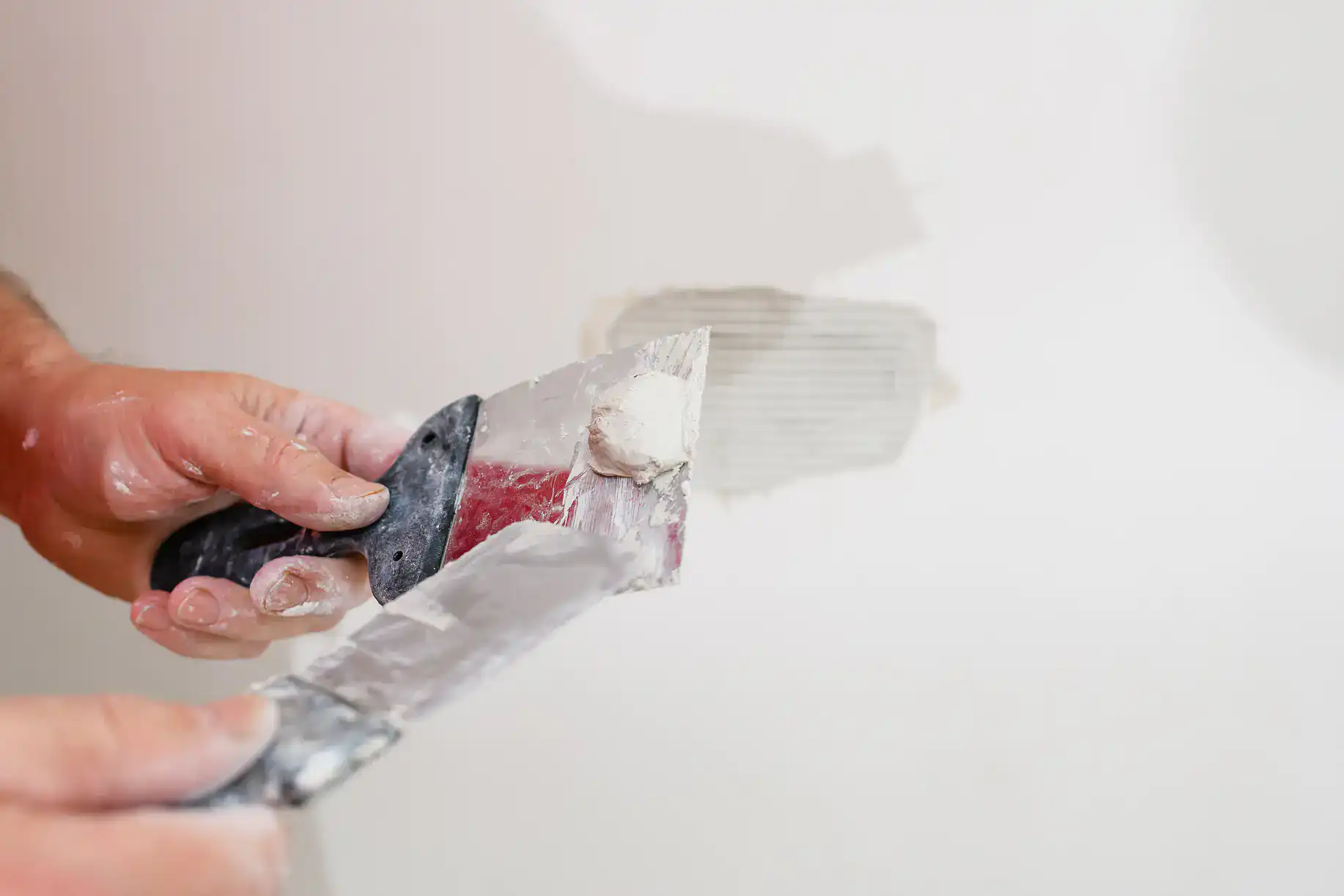
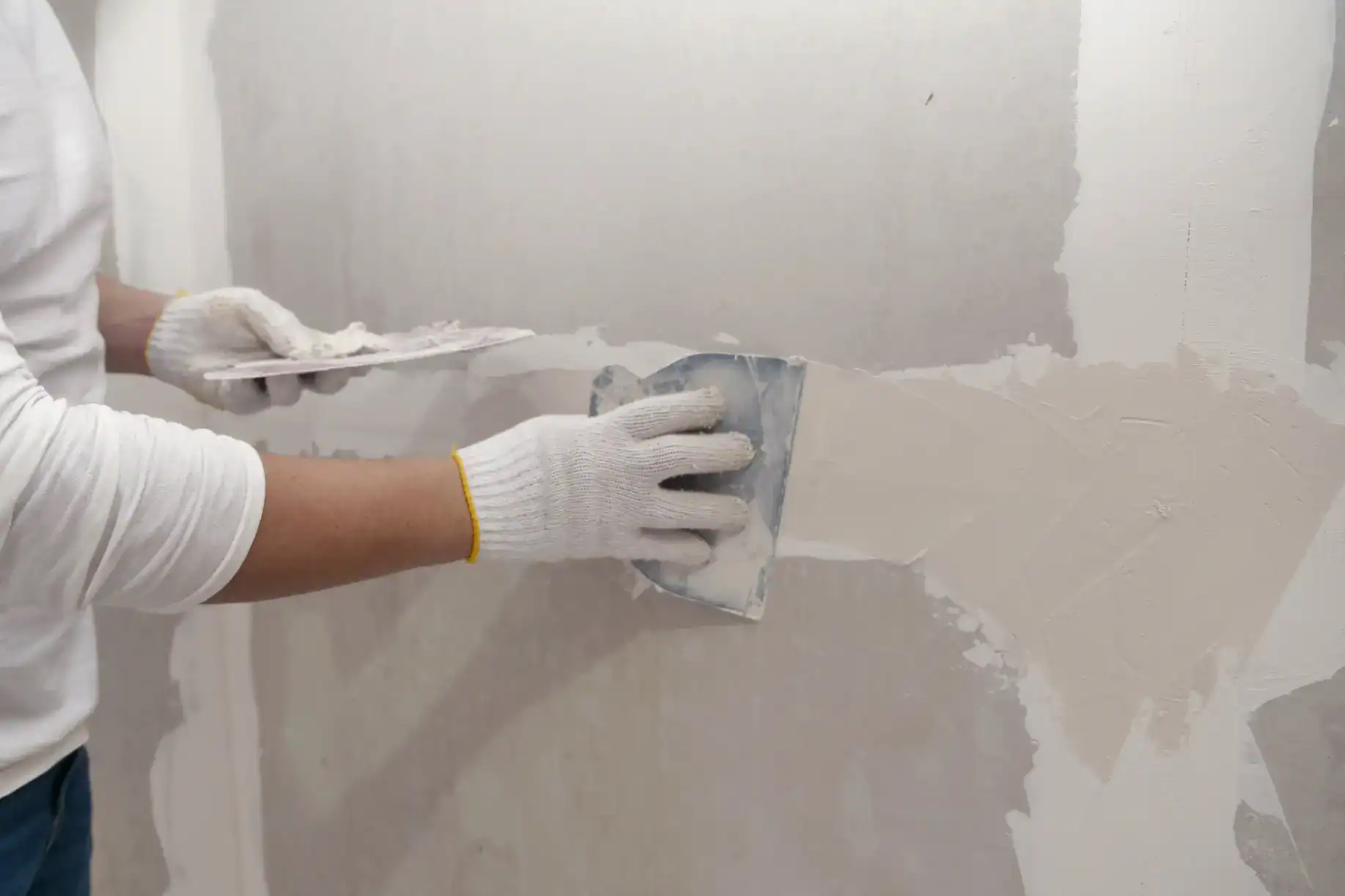
You’re not just paying for drywall installation. You’re paying to avoid the headache of fixing someone else’s mess six months from now.
When we finish installing drywall in your Logan Square home, you get walls with no visible seams, no gaps you could stick a coin through, and surfaces that stay smooth through multiple paint jobs. The kind of finish that doesn’t announce itself every time the light hits it wrong.
Most Logan Square homes were built before the 1970s. That means plaster walls, settling foundations, and quirks that require actual skill to work around. You need someone who knows how to handle older row homes where nothing is perfectly square and humidity plays games with materials.
We show up when we say we will. We quote a price that doesn’t change halfway through. And when we leave, your space is cleaner than when we arrived—no drywall dust coating your furniture or mud tracked through your hallway.
We started Sharpe Drywall because too many homeowners in Montgomery County were getting burned by contractors who treated their homes like construction sites instead of someone’s biggest investment.
We’re locally owned, fully licensed and insured, and we’ve built our reputation on doing what we say we’ll do. No disappearing acts. No surprise fees. No leaving you to clean up drywall dust for weeks after we’re gone.
Logan Square homeowners call us when they want the job done without drama. Your neighbors have older homes with character—and challenges. We’ve worked in enough row homes to know that narrow hallways, shared walls, and decades-old construction require a different approach than cookie-cutter new builds. We bring the right materials, the right techniques, and enough respect for your time to get it done efficiently.
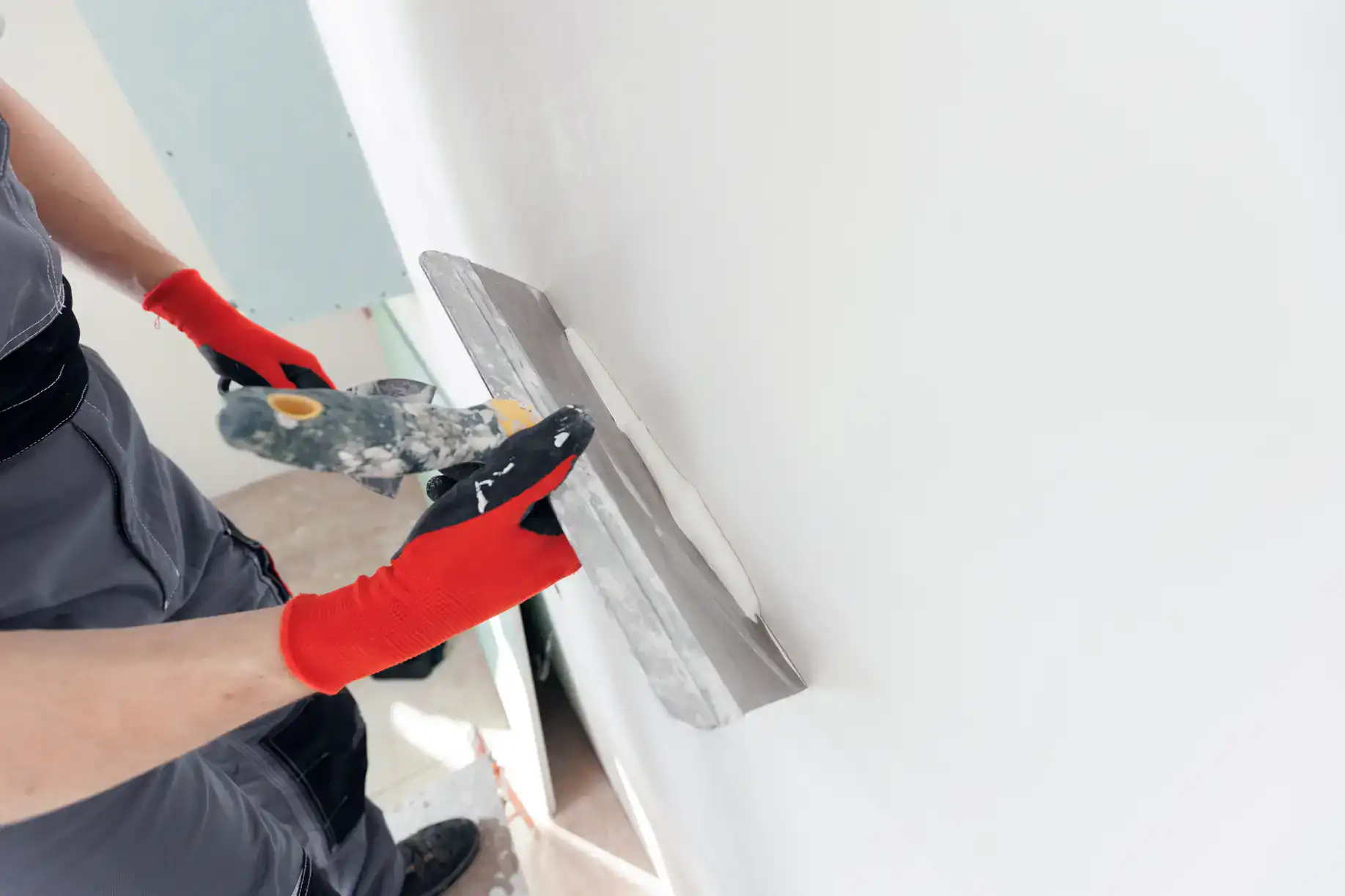
First, we come out to see what you’re working with. We measure, check for any complications like moisture issues or outdated materials, and give you a fixed price. That number doesn’t change unless you change the scope.
Once we start, we prep the space to contain dust and protect your floors and furniture. Then we hang the drywall, tape and mud the seams, and sand everything smooth. If your Logan Square home was built before 1978, we’ll recommend testing for lead or asbestos before we touch anything—it’s not about upselling, it’s about keeping everyone safe.
The finishing work is where most contractors cut corners. We don’t. Multiple coats of joint compound, proper drying time between layers, and careful sanding mean you get walls that are actually ready for paint. Not “good enough”—ready.
When we’re done, we haul away all debris and clean the work area completely. You shouldn’t have to vacuum drywall dust out of your vents for the next month. We handle cleanup as part of the job, not an afterthought.
Ready to get started?
The average cost to install drywall in Logan Square runs between $1,077 and $3,118 for most projects, depending on square footage and complexity. Professional drywall installation typically costs $1.50 to $3 per square foot, including materials and labor.
That price covers more than just hanging sheets of drywall. You’re getting proper materials for your specific situation—moisture-resistant boards for basements with Philadelphia’s humidity issues, fire-rated drywall for shared walls in row homes, and soundproofing options if you’re dealing with noise from neighbors or street traffic.
Logan Square’s housing stock creates unique challenges. Narrow hallways mean maneuvering materials carefully. Older homes often have settling or previous repairs that need addressing before new drywall goes up. Shared walls in row homes require fire-rated materials—not a suggestion, but a building code requirement that protects you and your neighbors.
We include all taping, mudding, and sanding in our quotes. Complete cleanup and debris removal. And a fixed price that doesn’t creep up once we’re halfway through your project. If we find something unexpected, we talk to you before doing additional work. No surprise invoices.
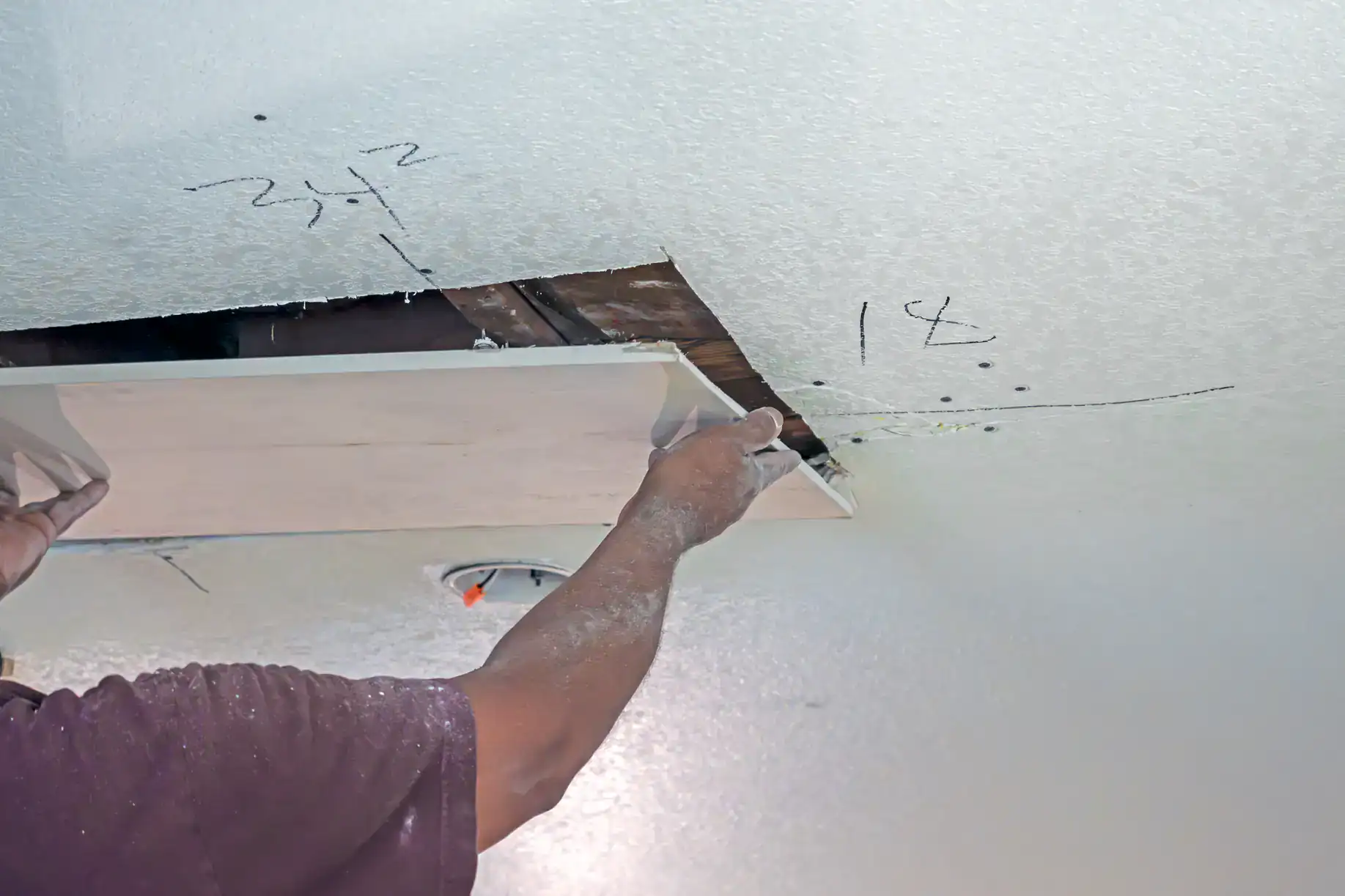
Most drywall installation projects in Logan Square take two to five days, depending on the size of the space and whether we’re working around existing furniture or other trades.
A single room might be done in a day or two. A full basement or multiple rooms will take longer, especially when you factor in proper drying time between coats of joint compound. Rushing that process is how you end up with cracks and visible seams later.
Logan Square row homes add time if we’re navigating narrow staircases or hallways. We can’t just carry full sheets through a 32-inch doorway—we measure, plan, and sometimes cut materials outside to make installation cleaner and faster. That prep work saves you from having drywall dust coating everything you own.
DIY drywall installation saves money upfront but usually costs more in the long run when you’re fixing mistakes or hiring someone to redo it properly.
Hanging drywall isn’t complicated. Finishing it so you can’t see seams, screw indentations, or uneven surfaces—that takes skill and the right tools. Most DIY jobs end up with visible lines after painting, corners that don’t quite meet, or texture that looks different from the rest of the room.
In older Logan Square homes, you’re also dealing with walls that aren’t perfectly straight, ceilings that have settled, and potential issues like old plaster or moisture damage. A professional drywall installer knows how to work around those problems instead of just covering them up. You’re paying for walls that look right and stay that way, not just walls that are technically covered.
Yes. Standard drywall isn’t appropriate for every space, especially in older Philadelphia-area homes with specific moisture and fire safety requirements.
Basements in Logan Square need moisture-resistant or mold-resistant drywall. Philadelphia’s humidity and the age of most homes here mean water issues are common. Using standard drywall in a basement is asking for mold problems and deterioration within a few years.
Row homes require fire-rated drywall on shared walls—it’s a building code requirement, not optional. Those party walls need Type X drywall that can withstand fire for at least one hour, protecting both your home and your neighbors’. If noise is an issue, soundproof drywall helps with the reality of living inches away from other families. We’ll recommend the right materials based on where we’re working and what your home actually needs.
New drywall installation in Logan Square typically costs $1.50 to $3 per square foot, while repairs usually run $150 to $400 depending on the size and complexity of the damage.
If you’re finishing a basement or adding walls during a renovation, you’re looking at full installation costs. A 500-square-foot basement might run $1,500 to $2,500 for complete drywall installation, including finishing and cleanup.
Repairs are different. Small holes or cracks might be $150 to $200. Larger damage from water leaks, settling, or removing old materials can push $400 or more if we’re replacing sections and blending them into existing walls. The cost to install drywall in Logan Square also factors in access challenges—if we’re hauling materials up narrow stairs or working around tight spaces, that affects pricing. We give you a fixed quote upfront so you know exactly what you’re paying before we start.
Look for licensed and insured contractors who give you fixed pricing, show you examples of finished work, and don’t pressure you into signing the same day.
Insurance protects you if something goes wrong. A contractor without proper coverage is a lawsuit waiting to happen if someone gets hurt or your property gets damaged. Ask to see proof of both liability insurance and workers’ comp.
Fixed pricing matters because too many homeowners get hit with surprise charges once work starts. A legitimate drywall installer will assess the job, give you a detailed quote, and stick to that number unless you change the scope. If someone can’t give you a clear price, walk away.
Ask how they handle cleanup and what’s included in their quote. Drywall creates a ton of dust. If cleanup isn’t part of the package, you’re spending days wiping down every surface in your home. Finally, check how long they’ve been working in the area. Logan Square’s older homes require different skills than new construction—you want someone who’s dealt with plaster walls, settling foundations, and the quirks of pre-1970s row homes.
Yes, but temperature and humidity affect drying times and material performance, so timing and climate control matter more during extreme weather.
Drywall installation works year-round, but joint compound needs proper conditions to dry and cure correctly. Too cold, and it won’t set properly. Too humid, and it takes forever to dry between coats, extending your project timeline.
Philadelphia winters can drop below freezing, and summers get humid. If we’re working in a space without climate control—like an unfinished basement or addition—we’ll bring heaters or dehumidifiers to create the right environment. That’s not an upsell, it’s how you avoid cracking, poor adhesion, and finishes that fail within months.
Logan Square row homes usually have heating and cooling, which helps. But if you’re doing a major renovation with windows open or HVAC turned off, weather becomes a factor. We’ll let you know if conditions aren’t right and recommend the best timing for your specific project. Rushing installation in bad conditions just means paying to fix it later.
Other Services we provide in Logan Square