When drywall goes up correctly, you stop thinking about your walls. No cracks showing up six months later. No seams telegraphing through your paint. No callbacks because corners weren’t finished right.
Proper drywall installation in Green Hill Farms means using the right fastening methods, the right spacing, and the right materials for your specific project. It means knowing when to use moisture-resistant board in your bathroom and when standard drywall works fine.
Most importantly, it means you’re not repainting every few years because the underlying work was rushed. The finish stays smooth. The corners stay crisp. Your walls do what they’re supposed to do—disappear into the background while your home looks the way you want it to.
We operate right here in the Green Hill Farms area. We’re not a franchise or a crew passing through between bigger jobs. When you call, you’re talking to people who understand Pennsylvania homes, local building requirements, and what it takes to deliver quality work in this market.
We’ve built our reputation on showing up when we say we will, doing the work right, and cleaning up when we’re done. Most of our projects start and finish in the same day. You get honest pricing upfront, no surprises halfway through, and drywall installation that holds up over time.
First, we look at your space and talk through what you need. New construction, renovation, repair—the approach changes based on the project. We measure, assess the framing, and give you a clear cost to install drywall before any work starts.
Once we’re on site, the panels go up with proper fastening—screws placed correctly, edges supported, corners reinforced where needed. This isn’t the step to rush. Poor installation here means problems you’ll see later.
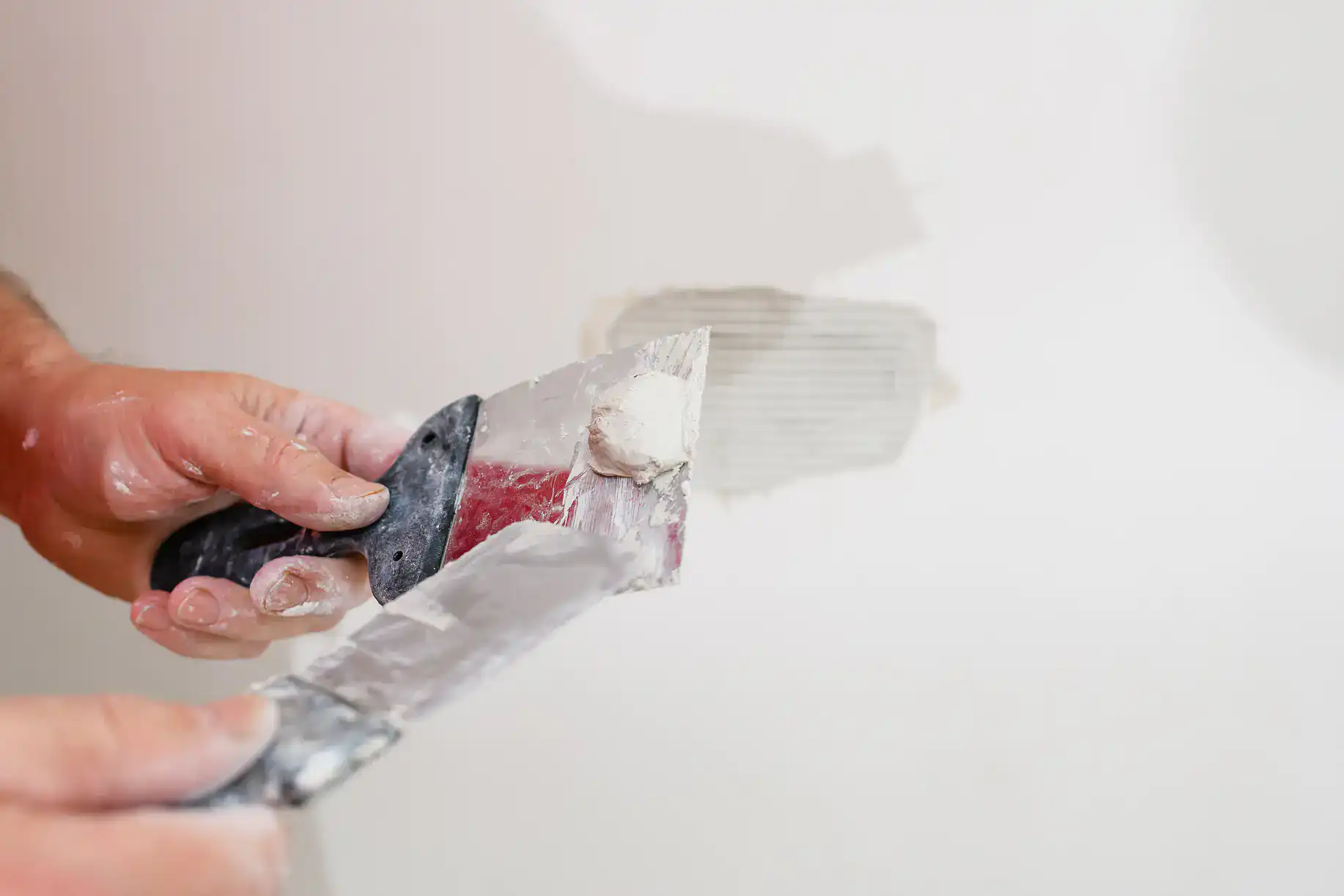
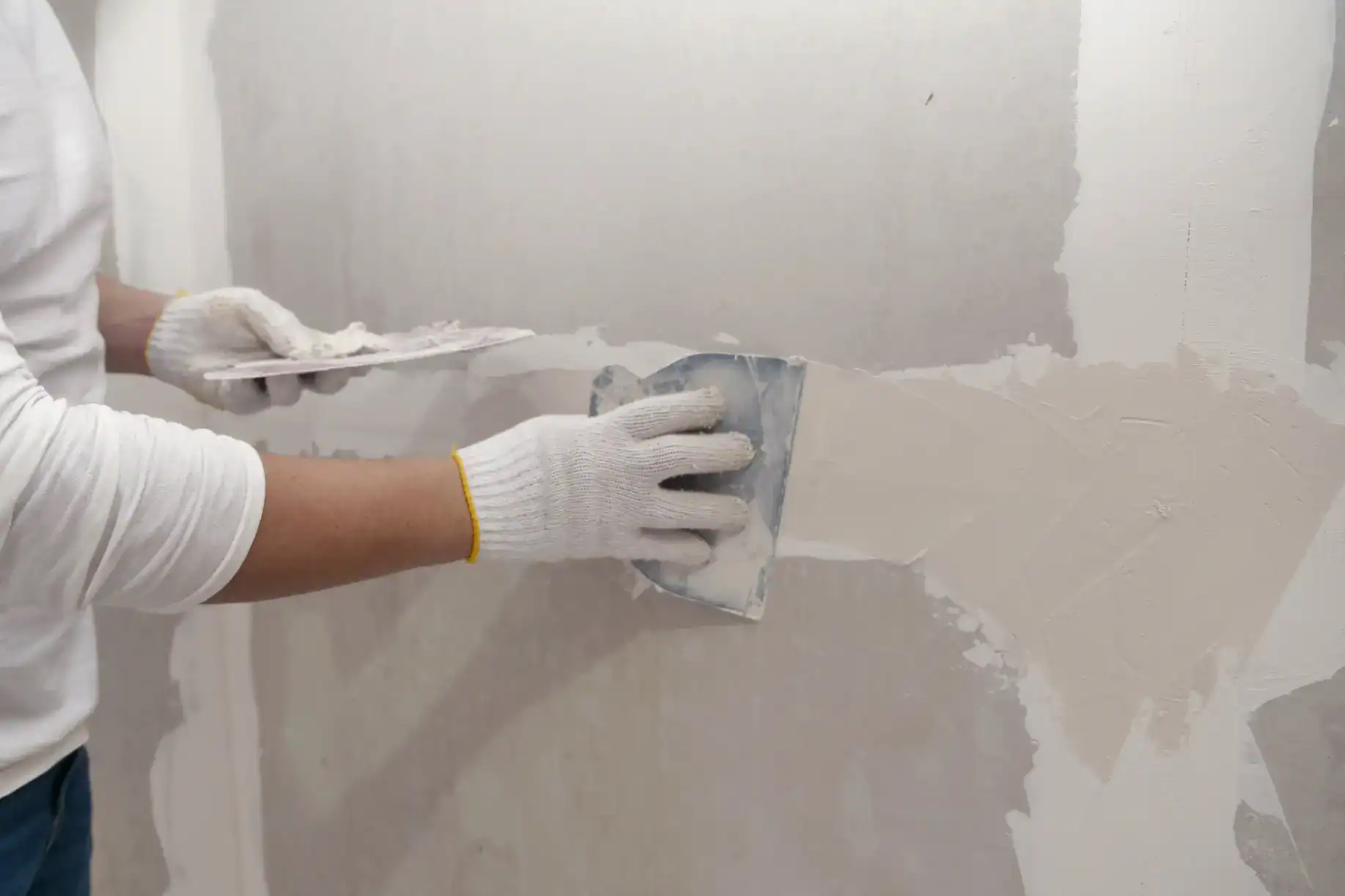
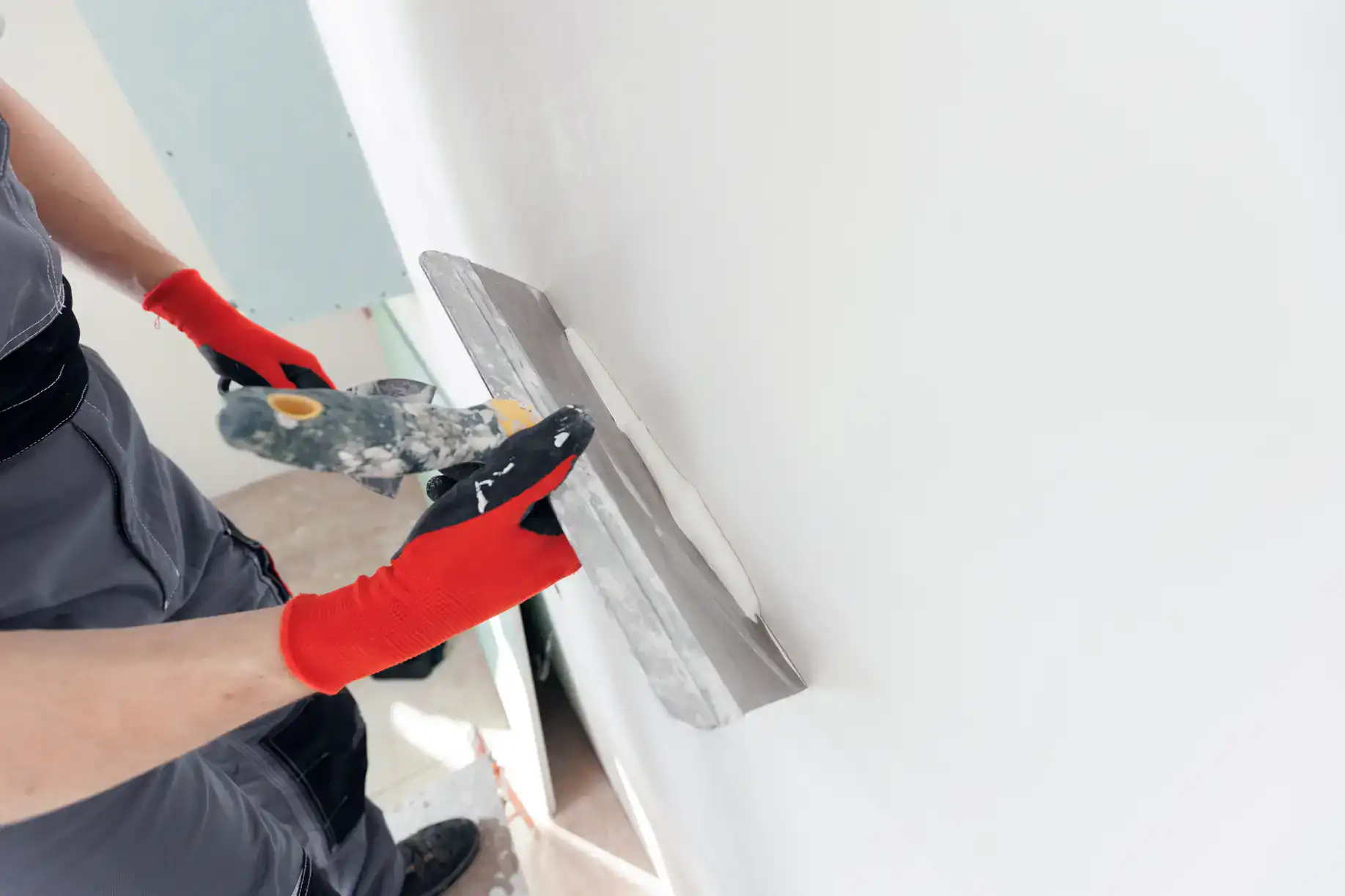
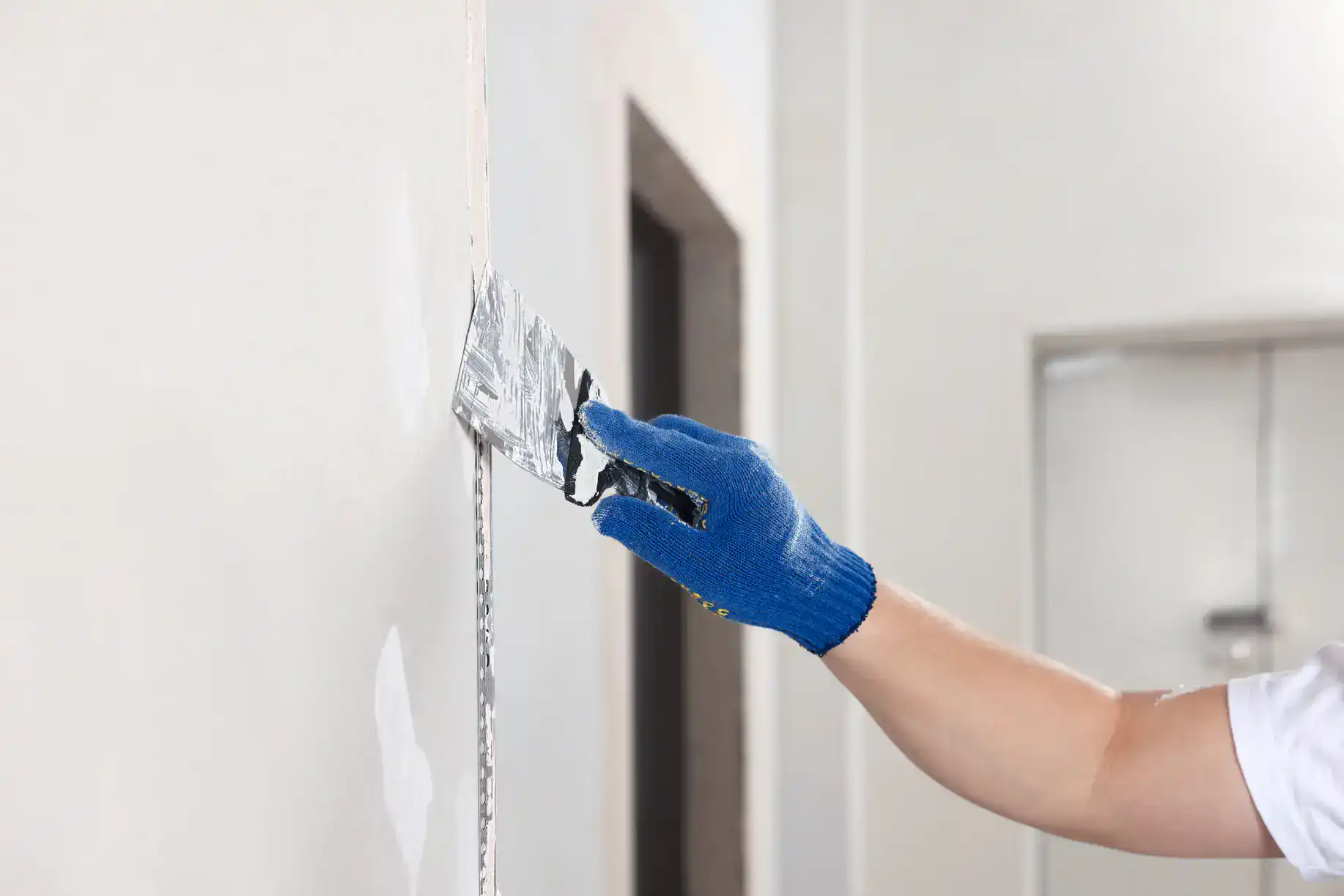
After the drywall is hung, we tape and finish the seams. This is where craftsmanship shows. Multiple coats, proper drying time between layers, and sanding that leaves you with smooth, paintable walls. We don’t cut corners on finishing because that’s what you’ll see every single day.
Finally, we clean up. Drywall dust gets everywhere if you’re not careful. We contain it, vacuum it, and leave your space ready for the next step—whether that’s paint, trim, or just moving your furniture back in.
Ready to get started?
The average cost to install drywall runs between $1.50 and $3.00 per square foot when you factor in materials and labor. In the Philadelphia area, most homeowners pay between $1,968 and $2,143 for standard projects. Labor makes up roughly 70% of that total—and for good reason.
Installing drywall correctly requires knowing how to handle panels without damaging them, how to secure them so they don’t pop screws later, and how to finish seams so they’re invisible under paint. It’s not just hanging sheets and hoping for the best.
You’re also paying for materials that match your needs. Standard drywall works for most rooms. Moisture-resistant board goes in bathrooms and basements. Fire-rated panels matter in garages and certain commercial applications. Using the wrong material in the wrong place costs you more in repairs down the road than you save upfront.
Green Hill Farms homes vary—older construction, newer builds, renovations that blend both. We adjust our approach based on what your project actually needs, not what’s easiest for us. That means proper edge support, correct framing at corners, and anchoring that prevents future cracking.
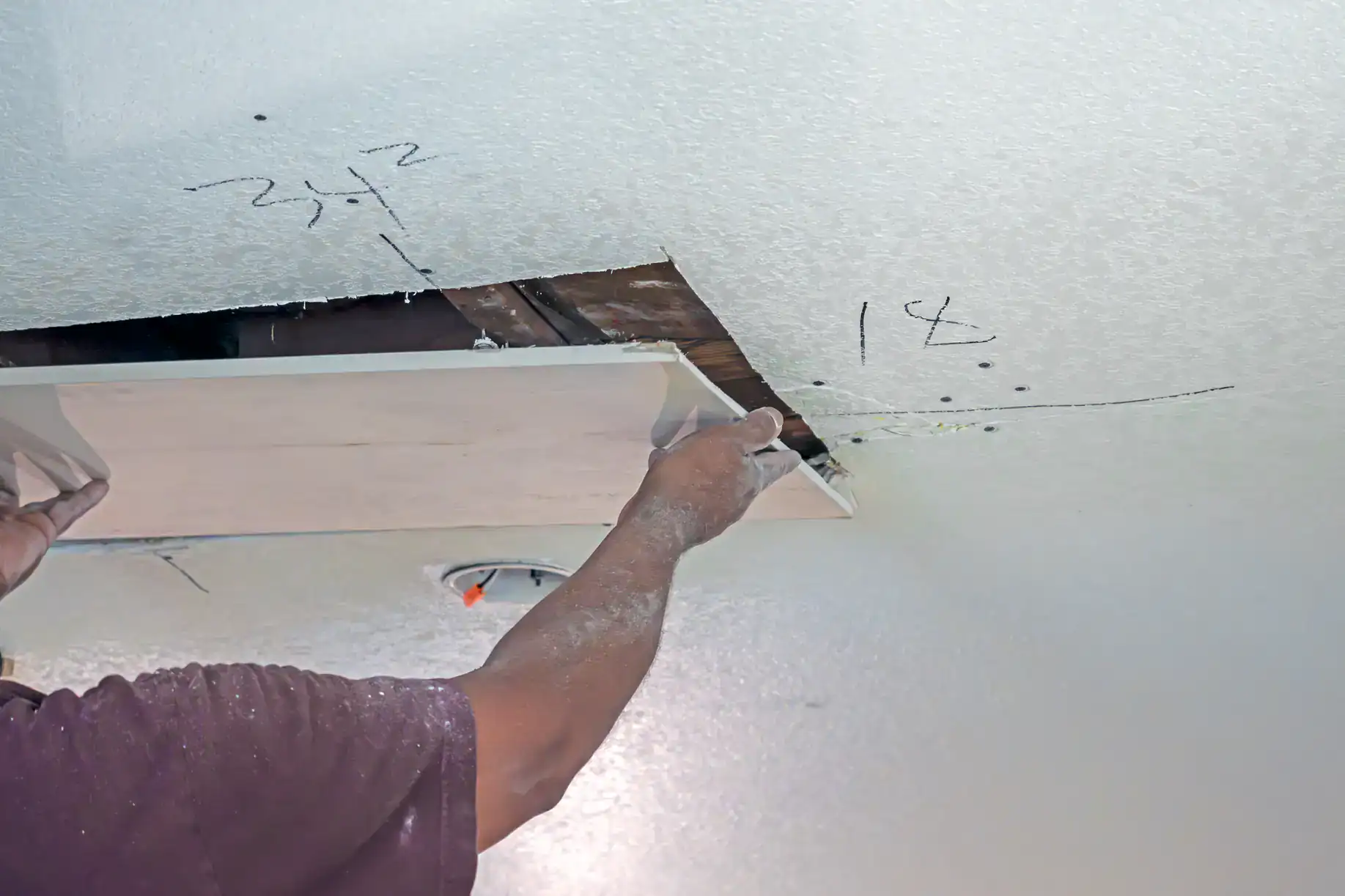
Most drywall installation in Green Hill Farms runs between $1.50 and $3.00 per square foot, including materials and labor. A typical room—say 12×12 with 8-foot ceilings—comes out somewhere between $800 and $1,200 depending on the finish level you need and whether there are complications like high ceilings or tricky angles.
Labor is the biggest cost factor. Drywall installers charge about $1.00 to $2.10 per square foot for their work, and that’s where quality shows up. Cheaper labor often means rushed taping, poor finishing, or shortcuts that cause problems later.
Material costs are more predictable. Standard half-inch drywall sheets run about $10 to $20 each. Moisture-resistant or fire-rated boards cost more, but they’re worth it in the right applications. The real variable is how much prep work your space needs and what finish level you’re after—basic smooth finish versus a level 5 finish ready for high-end paint or wallpaper.
Most residential drywall installation projects in Green Hill Farms wrap up in one to three days, depending on the size and scope. A single room? Often done in a day, including cleanup. A whole-house drywall job after a renovation might take a week when you factor in proper drying time between coats.
Hanging the panels is the quick part. Finishing the seams takes longer because you can’t rush the process. Each coat of joint compound needs to dry completely before the next one goes on. Trying to speed this up leaves you with cracks, weak seams, and a finish that looks amateur under the right light.
Weather affects timing too, especially in Pennsylvania. High humidity slows drying. Cold temperatures do the same. We plan around this because pushing wet compound or working in bad conditions just means callbacks and repairs later. You’d rather have it done right than done fast.
The difference shows up in the finish and how long it lasts. DIY drywall installation often looks fine from across the room but falls apart under scrutiny. Seams show through paint. Screws pop. Corners crack. These aren’t always obvious immediately, but they appear within months.
Professional drywall installers know how to fasten panels so they don’t move as the house settles. We understand how much joint compound to use—not too much, not too little—and how to feather edges so seams disappear. We have the tools to handle large sheets without breaking them and the experience to work around obstacles like electrical boxes and plumbing.
The biggest DIY mistake is inadequate edge support. If the framing isn’t right, your drywall will crack no matter how well you tape it. We spot these issues before hanging the first panel. We fix the framing, add blocking where needed, and ensure every edge has solid backing. That’s the difference between drywall that lasts and drywall that becomes a maintenance headache.
Yes. Moisture-resistant drywall—often called green board or purple board—matters in bathrooms, basements, and anywhere humidity runs high. Standard drywall absorbs moisture, swells, softens, and eventually fails. In a bathroom, that means mold, warping, and crumbling panels within a few years.
Green Hill Farms homes deal with Pennsylvania humidity, especially in summer. Basements stay damp. Bathrooms generate steam. Using moisture-resistant drywall in these spaces isn’t overkill—it’s basic protection against problems that cost serious money to fix later.
The material costs slightly more upfront, maybe 20-30% over standard drywall. But you’re buying years of protection against mold growth and structural damage. When drywall fails from moisture, you’re not just replacing panels. You’re dealing with mold remediation, potential framing damage, and all the disruption that comes with tearing out and rebuilding walls. Moisture-resistant board prevents that entire scenario.
Look for installers who give you specific answers, not vague promises. Ask how they handle seams, what finish level they provide, and how many coats of compound they apply. If they can’t answer clearly, they probably don’t know or don’t care.
Check that they’re insured. Drywall work involves heavy materials, ladders, and tools. Accidents happen. You want protection if something goes wrong on your property. Licensed and insured isn’t just paperwork—it’s proof they’re running a legitimate operation.
Ask about their cleanup process. Drywall dust is fine and gets everywhere. Professional installers contain it, vacuum thoroughly, and leave your space clean. If they’re vague about cleanup or act like it’s not their problem, you’ll be dealing with dust in your HVAC system and on every surface for months.
Finally, talk to them about timing. We give you realistic schedules and explain why certain steps take time. If someone promises to finish a whole-house job in two days including finishing, they’re either lying or planning to do substandard work. Quality drywall installation follows a process that can’t be rushed.
Matching existing texture is possible but requires skill and the right tools. Older Green Hill Farms homes often have knockdown texture, orange peel, or popcorn ceilings. Replicating these textures so repairs blend invisibly takes practice and the right equipment.
The challenge is that texture application varies based on who did the original work, how old it is, and what materials they used. We assess the existing texture, test our approach on scrap material, and adjust until we get a match. Sometimes that means using specific spray tips, adjusting compound consistency, or changing application technique.
Perfect matches are harder on older textures that have aged, been painted multiple times, or were applied with techniques that aren’t common anymore. We’ll tell you upfront if matching will be difficult and what your options are—whether that’s blending as close as possible, retexturing a full wall for consistency, or choosing a different approach entirely. Honesty about what’s achievable matters more than promising perfection we can’t deliver.
Other Services we provide in Green Hill Farms