
You’re dealing with a rowhouse renovation or finishing a space that actually needs to look good when it’s done. The last thing you need is a contractor who ghosts you mid-project or leaves your place looking like a construction zone for weeks.
Most drywall installation in Graduate Hospital gets finished in a day. That includes hanging, taping, mudding, and cleanup. You’re not waiting around for someone to show up three times over two weeks to finish what should’ve been done in one visit.
The difference shows up in how the seams look under your lighting, how the texture matches across the wall, and whether you’re repainting in two years because the install was rushed. You get walls that look clean now and stay that way because the work was done with proper materials and actual attention to detail.
We operate in Graduate Hospital because we live and work in the communities we serve. We started this company after watching too many homeowners get burned by contractors who left messes, missed deadlines, and delivered work that looked worse after the “fix” than before.
We’re licensed and insured, and we treat your rowhouse or condo with the same care we’d give our own. That means covering your floors, protecting your furniture, and leaving your space cleaner than we found it.
Graduate Hospital has a specific housing stock—mostly nineteenth and twentieth-century rowhouses with brick exteriors and tight interior spaces. We know how to work in these homes without tearing up your place or pretending every job is the same.
You call or message us with details about your project. We ask a few questions about square footage, whether it’s new construction or repair work, and what kind of finish you’re looking for. Then we give you a clear estimate that breaks down materials, labor, and timeline.
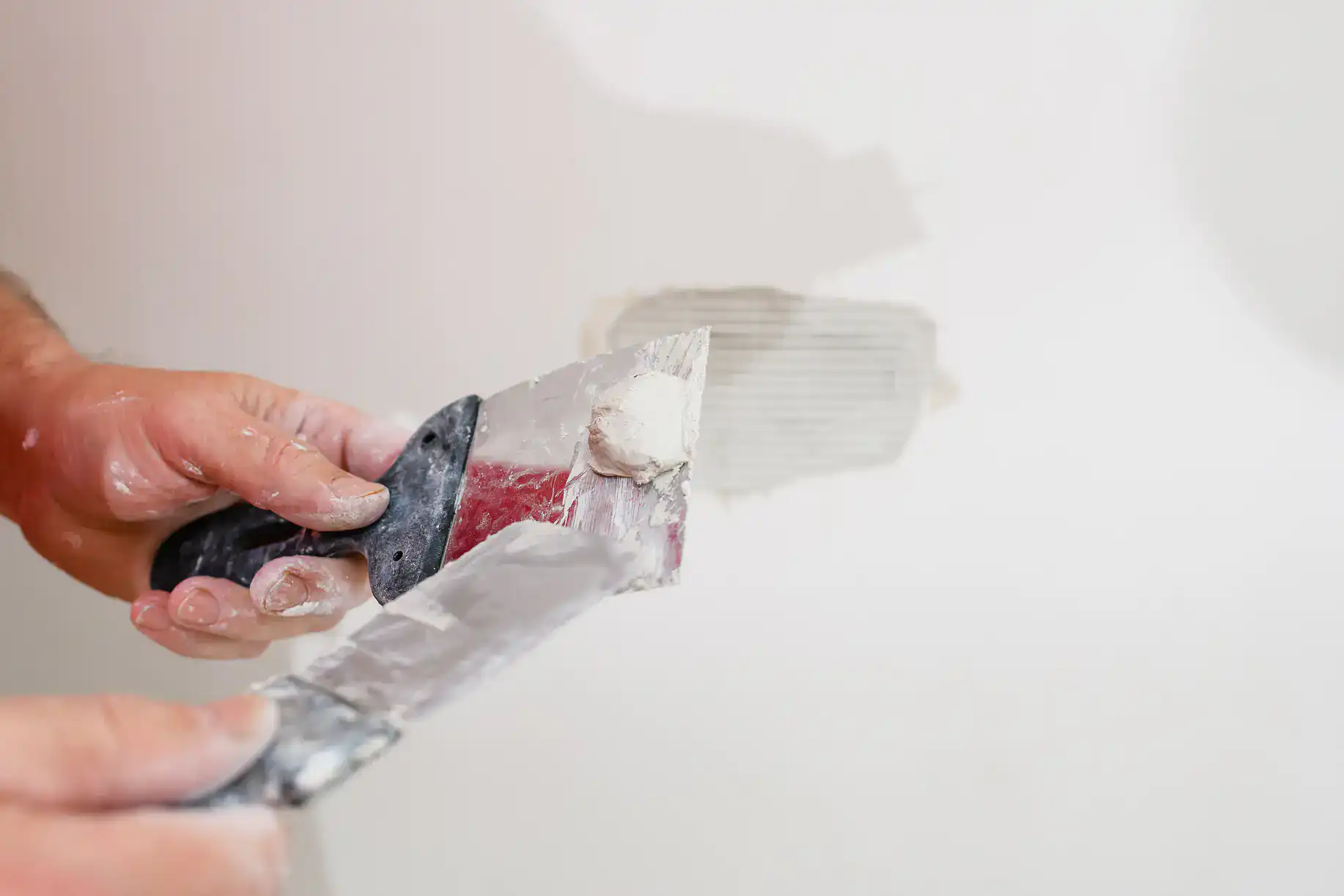
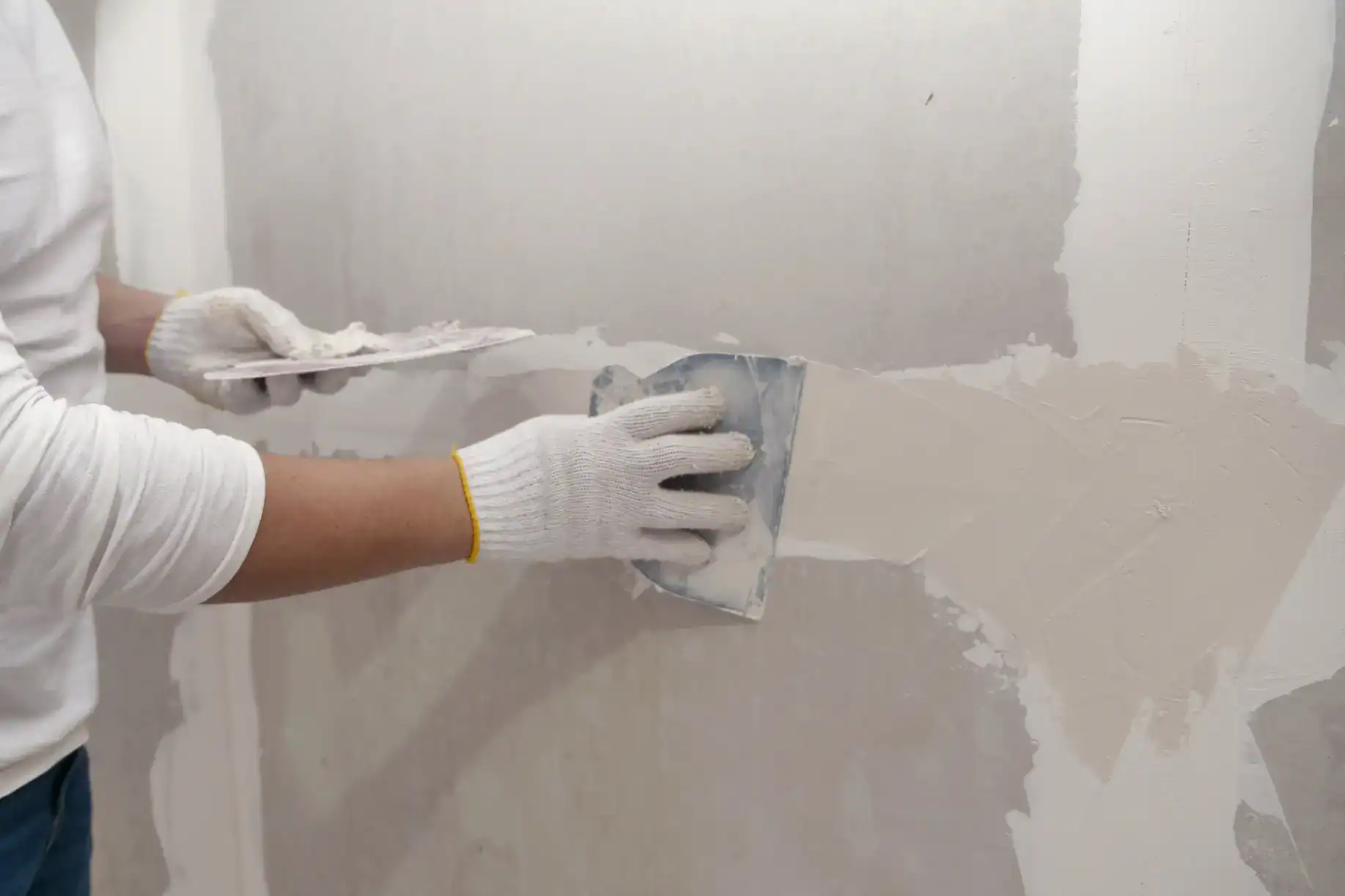
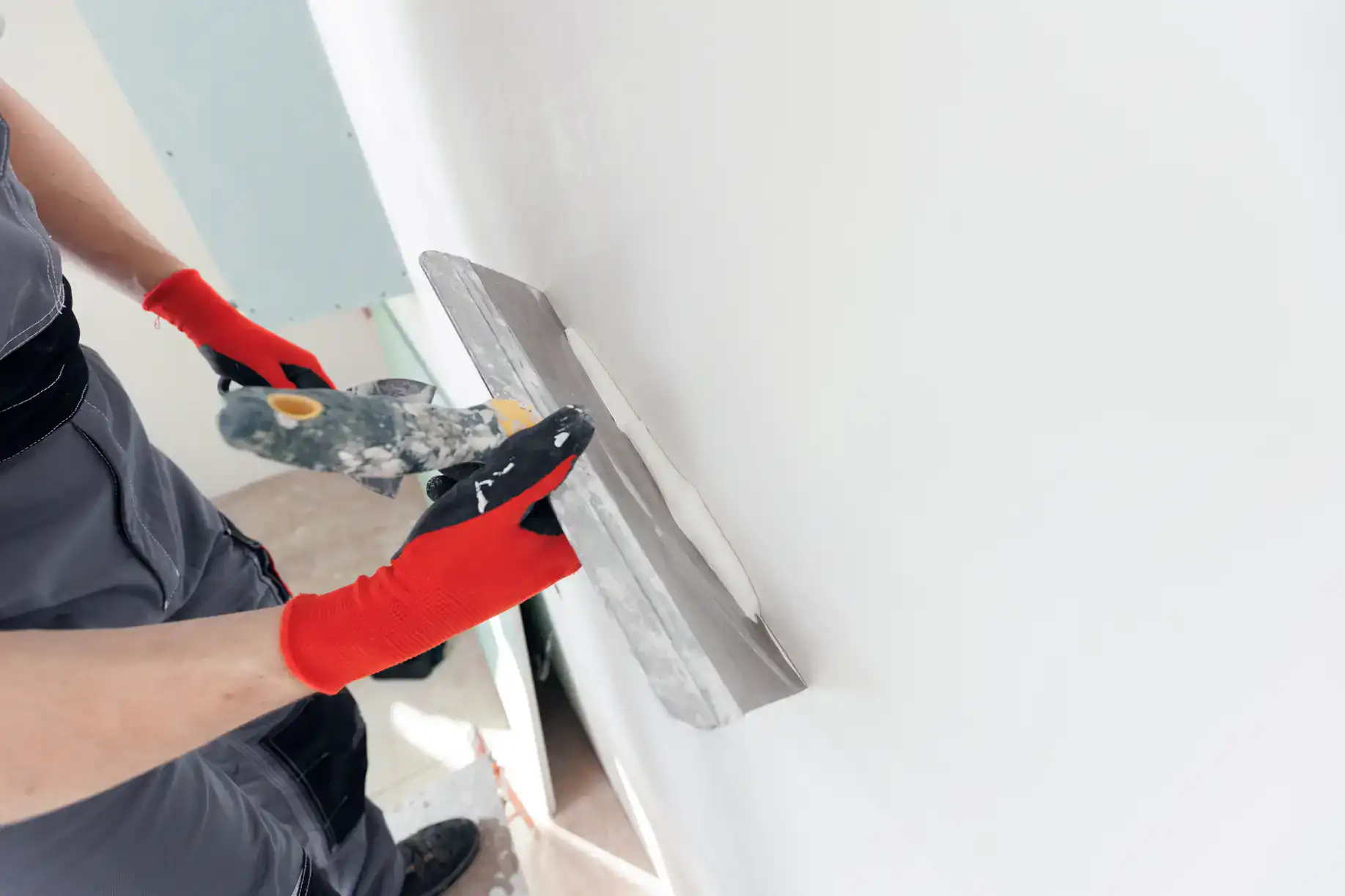
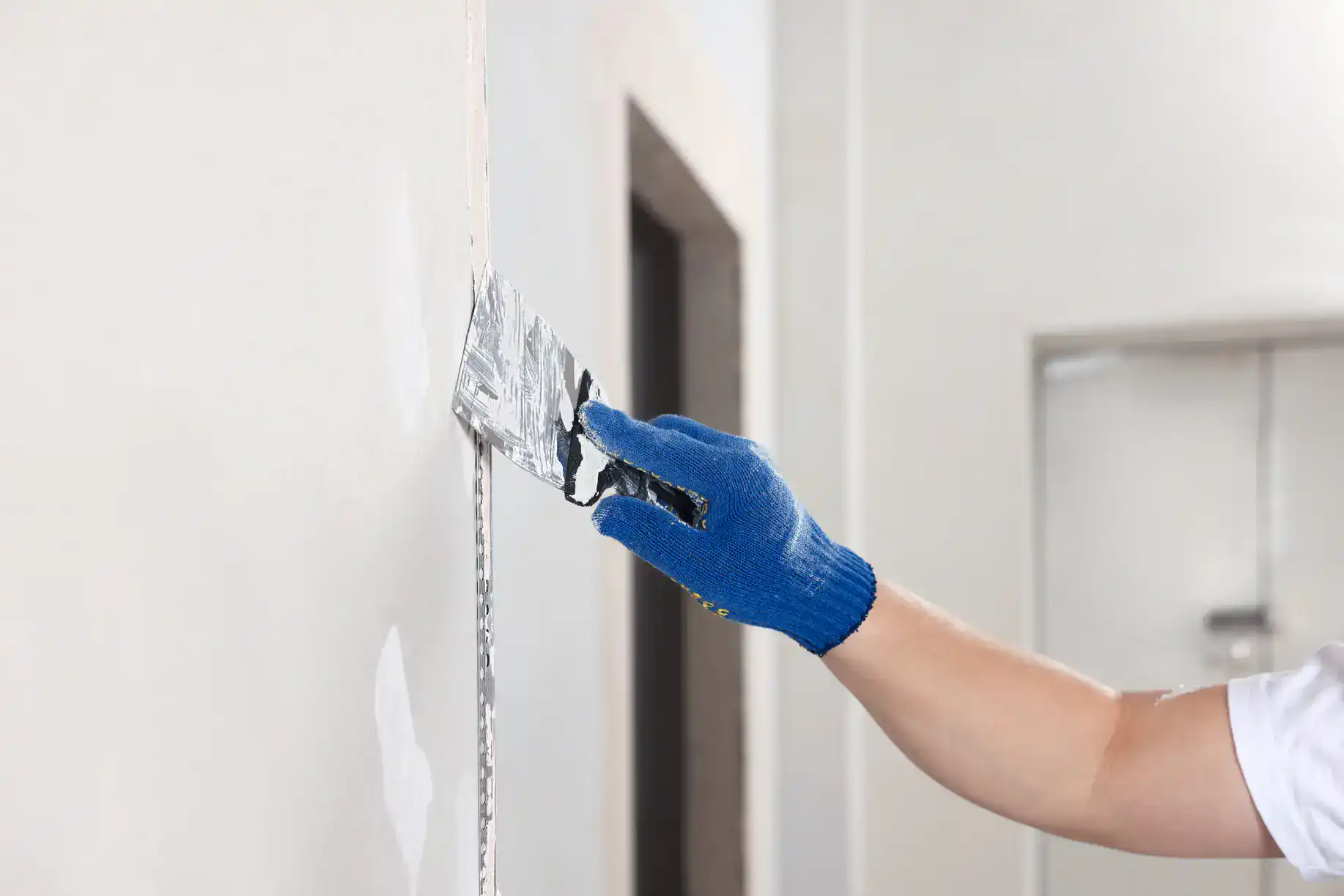
Once we’re on site, we measure and cut drywall to fit your space. We hang the sheets, tape the seams, and apply joint compound in layers. Each layer gets sanded smooth before the next goes on. If you need texture matching, we use professional tools to recreate the exact pattern—whether that’s orange peel, knockdown, or smooth.
The final step is a full inspection under strong lighting to catch any imperfections before we call it done. We clean up completely, haul away scraps, and leave you with walls that are ready for primer. Most installations finish in one day. Larger projects might take two, but you’ll know the timeline upfront.
Ready to get started?
The average cost to install drywall in Graduate Hospital runs between $1,000 and $3,000 depending on square footage, ceiling height, and whether you need moisture-resistant materials. Philadelphia pricing tends to sit around $2,095 for a standard room, but that varies based on the scope of work.
You’re paying for materials that last—moisture-resistant drywall matters in older rowhouses where humidity and outdated plumbing create problems. You’re also paying for proper taping and mudding techniques that eliminate the lumps, shadows, and visible seams that show up when the work is rushed.
Graduate Hospital homes often need fire-rated drywall on party walls because of the rowhouse layout. That’s not optional—it’s a safety requirement. We factor that into estimates so you’re not surprised later. If your project involves lead testing or asbestos concerns in a pre-1978 home, we’ll walk you through what’s required before we start.
The quoted price stays the same from start to finish. No surprise fees, no upcharges for “unexpected” work that should’ve been obvious from the beginning.
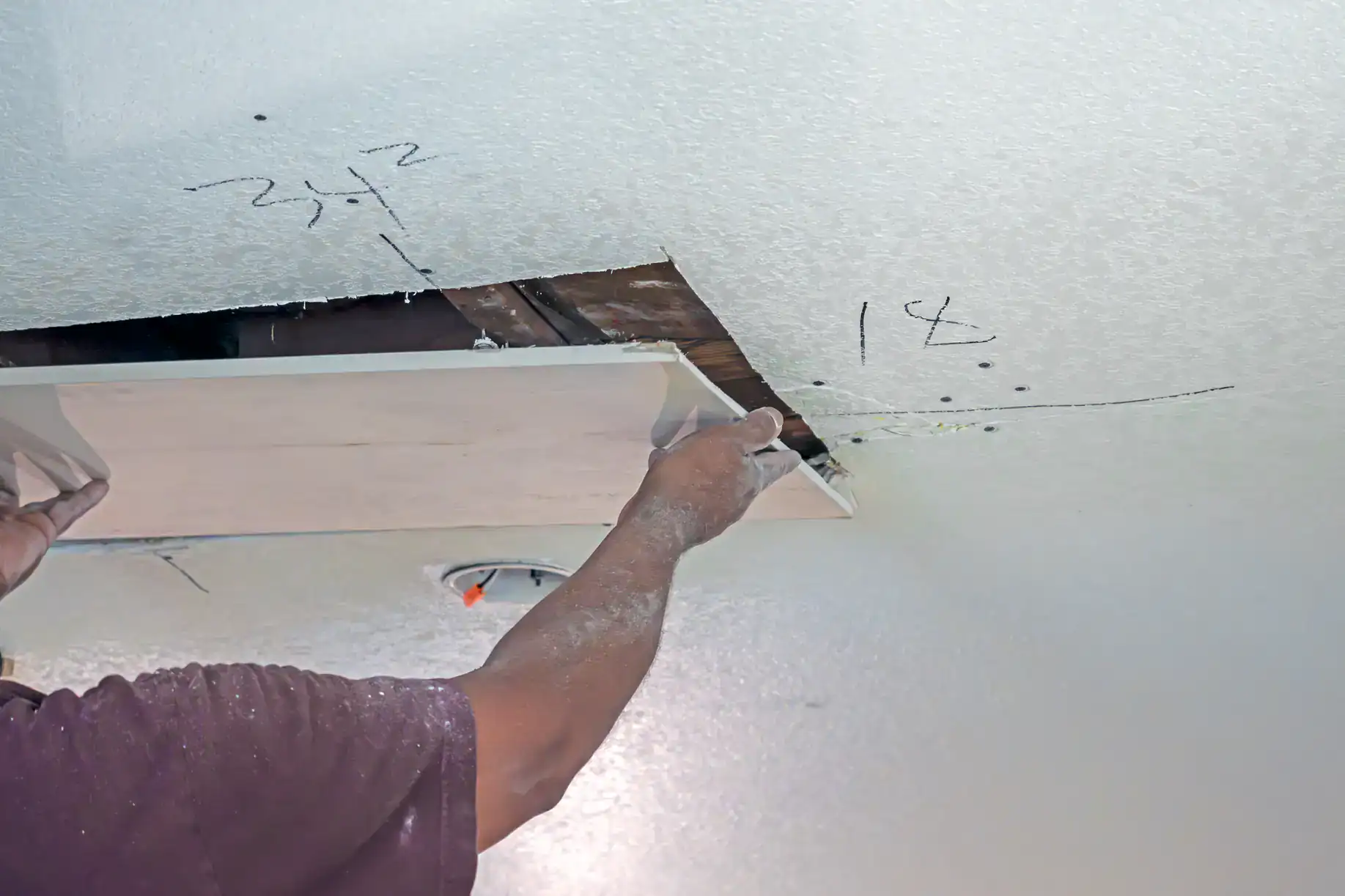
Most drywall installation projects in Graduate Hospital finish in one day. That includes hanging the sheets, taping the seams, applying joint compound, and completing cleanup. Larger projects—like finishing an entire floor or multiple rooms—might take two days depending on square footage and ceiling height.
The timeline depends on whether you’re installing new drywall or replacing damaged sections. New installation in an empty room moves faster because there’s no furniture to work around and no existing texture to match. Repair work takes longer if we’re blending new sections into old walls and recreating specific textures.
Rowhouses in Graduate Hospital often have tight spaces and narrow staircases, which can add time to material delivery and setup. We account for that when we give you a timeline. You’ll know upfront how long the project takes and when your space will be ready for paint.
Standard drywall works fine in bedrooms, living rooms, and other dry spaces. Moisture-resistant drywall—sometimes called green board or purple board—has a water-resistant core and facing that holds up better in bathrooms, kitchens, and basements where humidity is higher.
Graduate Hospital rowhouses were built in the nineteenth and twentieth centuries, and many have outdated plumbing or insulation that makes drywall vulnerable to leaks and moisture. If you’re finishing a bathroom or basement, moisture-resistant drywall prevents the soft spots, bubbling paint, and mold growth that show up when standard drywall gets wet.
The cost difference is minimal—usually a few dollars more per sheet—but it saves you from replacing entire sections of wall down the road. We recommend moisture-resistant drywall in any space where water or humidity is a factor, and we’ll walk you through which areas need it during the estimate.
If you live in a rowhouse, you likely need fire-rated drywall on party walls—the shared walls between your home and your neighbor’s. Fire-rated drywall is thicker and contains additives that slow the spread of fire, giving you and your neighbors more time to get out safely in an emergency.
Philadelphia building codes require fire-rated drywall in specific locations, especially in attached homes where fire can spread quickly between units. This isn’t a suggestion—it’s a safety requirement. Fire-rated drywall is typically Type X, which means it provides at least one hour of fire resistance.
We include fire-rated drywall in estimates for rowhouse projects because it’s part of doing the job correctly. The material costs slightly more than standard drywall, but it’s not a huge price difference. If your project involves party walls or other areas where fire resistance matters, we’ll make sure you’re using the right materials from the start.
Texture matching starts with identifying the exact pattern on your existing walls—whether that’s orange peel, knockdown, skip trowel, or a smooth finish. We use professional spray equipment and hand tools to recreate the texture so new sections blend seamlessly with the rest of the wall.
The key is applying the texture at the right thickness and working it with the same technique used on the original wall. Orange peel requires a specific spray pattern and pressure. Knockdown involves spraying texture and then lightly flattening it with a trowel at the right moment. Skip trowel is done entirely by hand with joint compound.
We inspect the finished texture under strong lighting to make sure there are no visible lines, shadows, or inconsistencies. If the texture doesn’t match perfectly, we redo it. You shouldn’t be able to tell where the repair ends and the original wall begins. That level of blending takes experience and the right tools—it’s not something you can fake with a quick spray and hope for the best.
If we find water damage during drywall installation, we stop and show you exactly what’s going on. Water-damaged drywall needs to be removed completely—not patched over—because moisture creates mold, weakens the structure, and ruins any new work installed on top of it.
We’ll identify the source of the water damage if it’s not already obvious. That might be a leaky pipe, a roof issue, or condensation from poor ventilation. The underlying problem has to be fixed before we install new drywall, or you’ll be dealing with the same damage again in a few months.
Once the source is addressed and the area is dry, we remove the damaged drywall, inspect the framing and insulation, and install moisture-resistant drywall in its place. We document everything so you understand what was found, what was fixed, and why the extra work was necessary. Water damage is common in older Graduate Hospital homes, and catching it early prevents much bigger problems later.
Drywall installation and painting can’t happen in the same visit because joint compound needs time to dry completely before you apply primer or paint. Rushing that process leads to cracking, peeling, and uneven finishes that show up as soon as the paint dries.
After we install drywall, the joint compound goes through multiple coats—each one needs to dry and get sanded before the next layer. Once the final coat is dry and sanded smooth, the surface is ready for primer. That’s typically the next day at the earliest, depending on humidity and ventilation.
Some drywall companies don’t offer painting, which means you’re hiring a second contractor or doing it yourself. That adds time and coordination to your project. If you want both services handled by the same team, ask upfront whether the company does finishing work or if you’ll need to bring in someone else after the drywall is done.
Other Services we provide in Graduate Hospital