
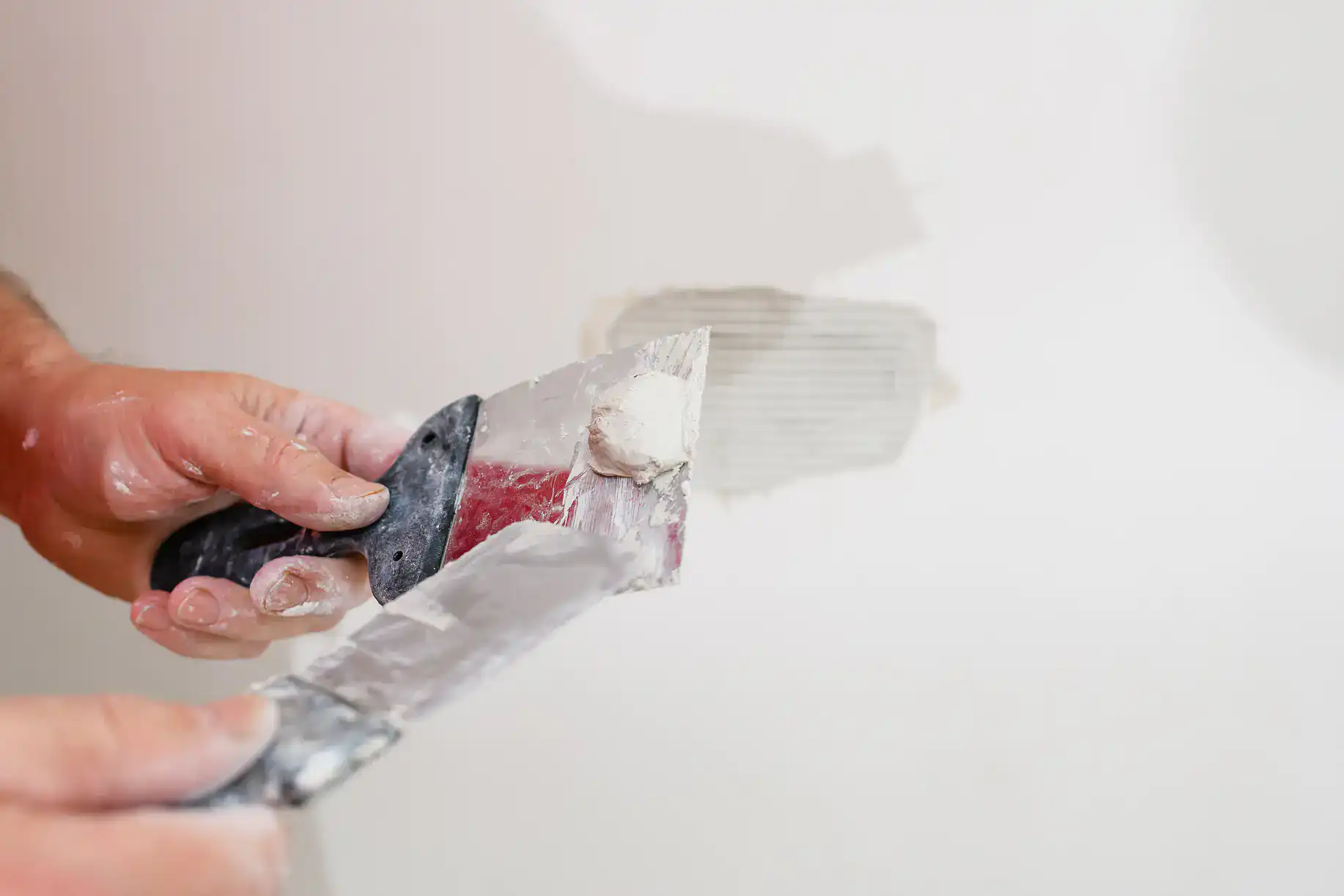
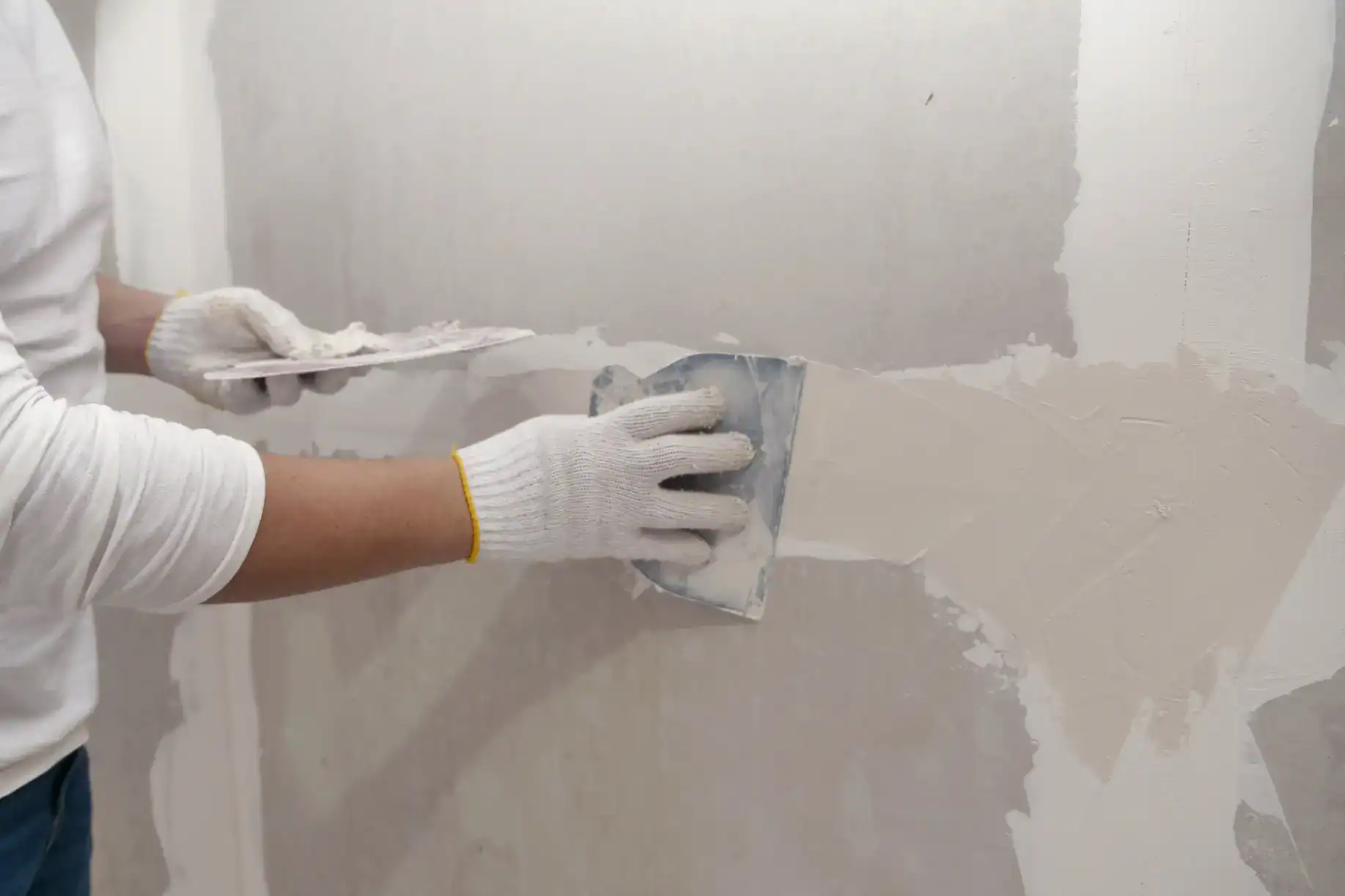
Most drywall installation projects in Girard College get finished in a single day. That means you’re not living around construction dust, plastic sheeting, and half-done walls for weeks on end.
You get a fixed price upfront that doesn’t change mid-project. No surprise fees when we find something “unexpected.” No pressure tactics or upsells once we’re in your home.
The work gets done with advanced containment methods that keep mud and dust where it belongs. When we leave, your floors are clean, your furniture’s protected, and the only thing left behind is a perfectly finished wall. You’re not spending your weekend vacuuming drywall dust out of every corner or wiping down baseboards.
This matters in Girard College’s historic homes where you’ve got original woodwork, older flooring, and details worth protecting. We’ve worked in enough of these early 20th-century properties to know what needs covering and what can’t afford to get damaged during installation.
Sharpe Drywall exists because homeowners in Montgomery, Bucks, and Philadelphia counties kept getting stuck with contractors who left messes, missed deadlines, and delivered work that showed every seam and gap. We saw neighbors dealing with lumpy patches, visible joints, and crews that disappeared halfway through jobs.
We’ve been serving Girard College and surrounding Philadelphia neighborhoods long enough to understand what these 480 historic homes need. The twins and single-family properties built here in the early 1900s come with their own challenges—uneven framing, plaster walls, non-standard dimensions. Our crews know how to work around those issues without making excuses or charging extra when something isn’t perfectly square.
You’re hiring a locally owned company that lives in the communities we serve. We’re licensed, insured, and more interested in doing repeat work for satisfied customers than maximizing profit on a single job.
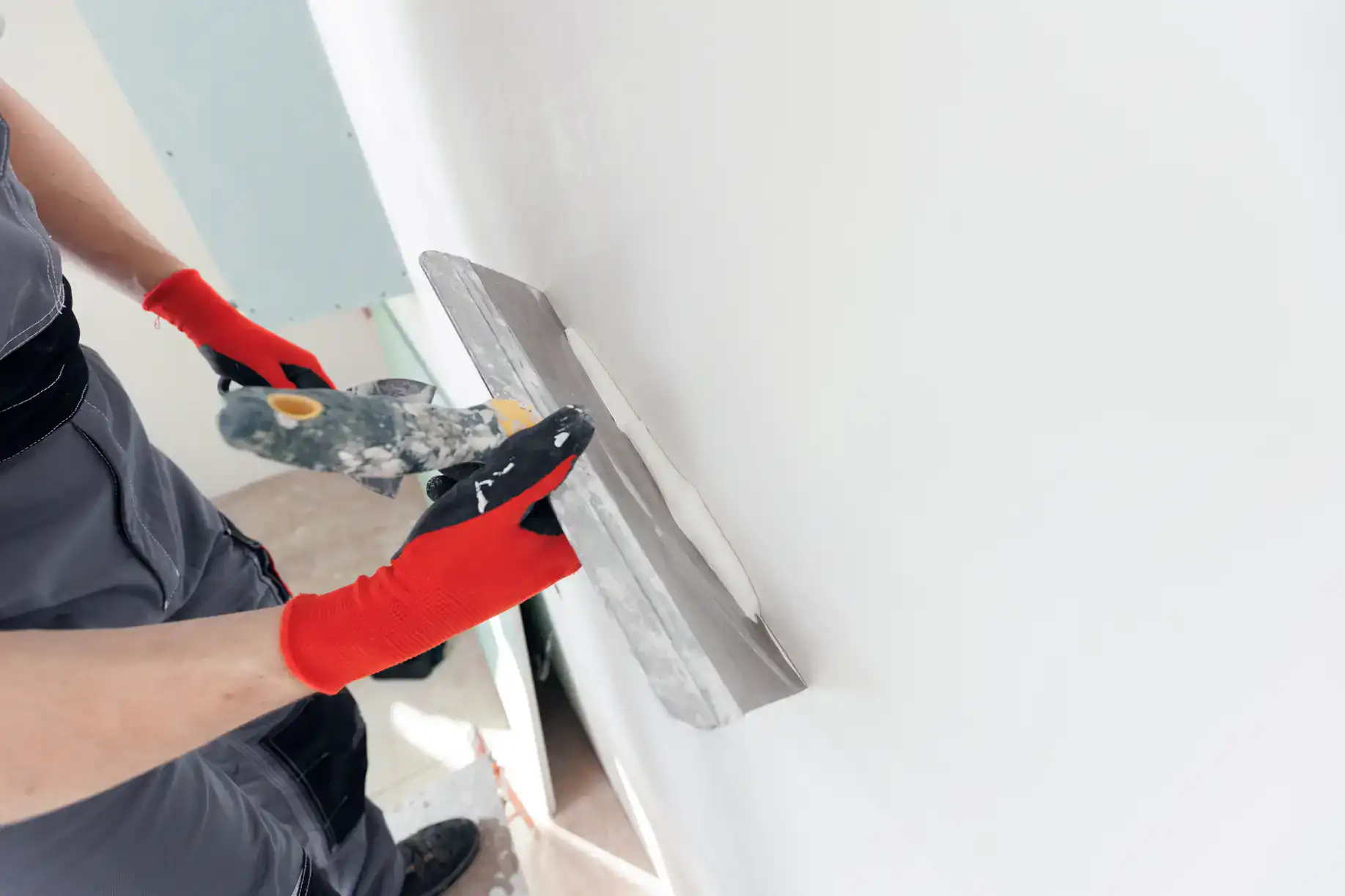
We start with a free estimate where you get detailed pricing, timelines, and a clear explanation of what your project needs. No vague ranges or “we’ll see when we get there” answers.
Once we’re on-site, the first step is protecting your space. Floors get covered, furniture gets moved or shielded, and containment goes up to keep dust and debris contained. Then we handle the layout prep and any framing adjustments needed before hanging drywall.
The hanging process involves measuring, cutting, and securing each sheet to your studs or existing framework. In older Girard College homes, this often means working around quirks like uneven walls or non-standard spacing. Our installers have seen it all and know how to adapt without compromising the final result.
After hanging comes taping, mudding, and sanding. This is where cheap contractors cut corners and where you actually see the difference in finished quality. We use professional-grade compounds, apply multiple coats, and sand everything smooth so seams disappear completely.
If you need texture matching—and most historic properties do—we recreate your existing pattern whether it’s knockdown, orange peel, skip trowel, or smooth. The repaired or new section blends invisibly with the rest of your wall.
Final step is complete cleanup. We haul away all debris, vacuum thoroughly, and leave your home ready for paint or immediate use.
Ready to get started?
The average cost to install drywall in Philadelphia runs between $1,077 and $3,118 depending on project size, but you need to understand what separates a $0.90 per square foot job from a $2 per square foot job. The difference isn’t just labor—it’s materials, technique, and whether the work actually lasts.
Cheap drywall installation means visible seams within months, corners that crack with seasonal movement, and texture that doesn’t match the rest of your walls. You end up paying twice: once for the initial install and again to fix what should’ve been done correctly the first time.
Our pricing reflects premium mold-resistant drywall that holds up in Philadelphia’s humidity, professional-grade compounds that don’t shrink or crack, and installers who’ve spent years learning proper technique. You’re getting same-day completion, zero-mess cleanup, and work that blends seamlessly with Girard College’s historic architecture.
In this neighborhood specifically, most projects involve working around original plaster, matching existing textures, and dealing with the settling and movement that comes with century-old homes. That requires experience you won’t find from crews who primarily work new construction or commercial spaces.
Nearly half of Philadelphia homeowners are planning renovations in 2025, with median spending around $15,000. When drywall installation is part of that project, doing it right the first time protects the rest of your investment and keeps you from becoming another statistic in the 78% who go over budget fixing contractor mistakes.
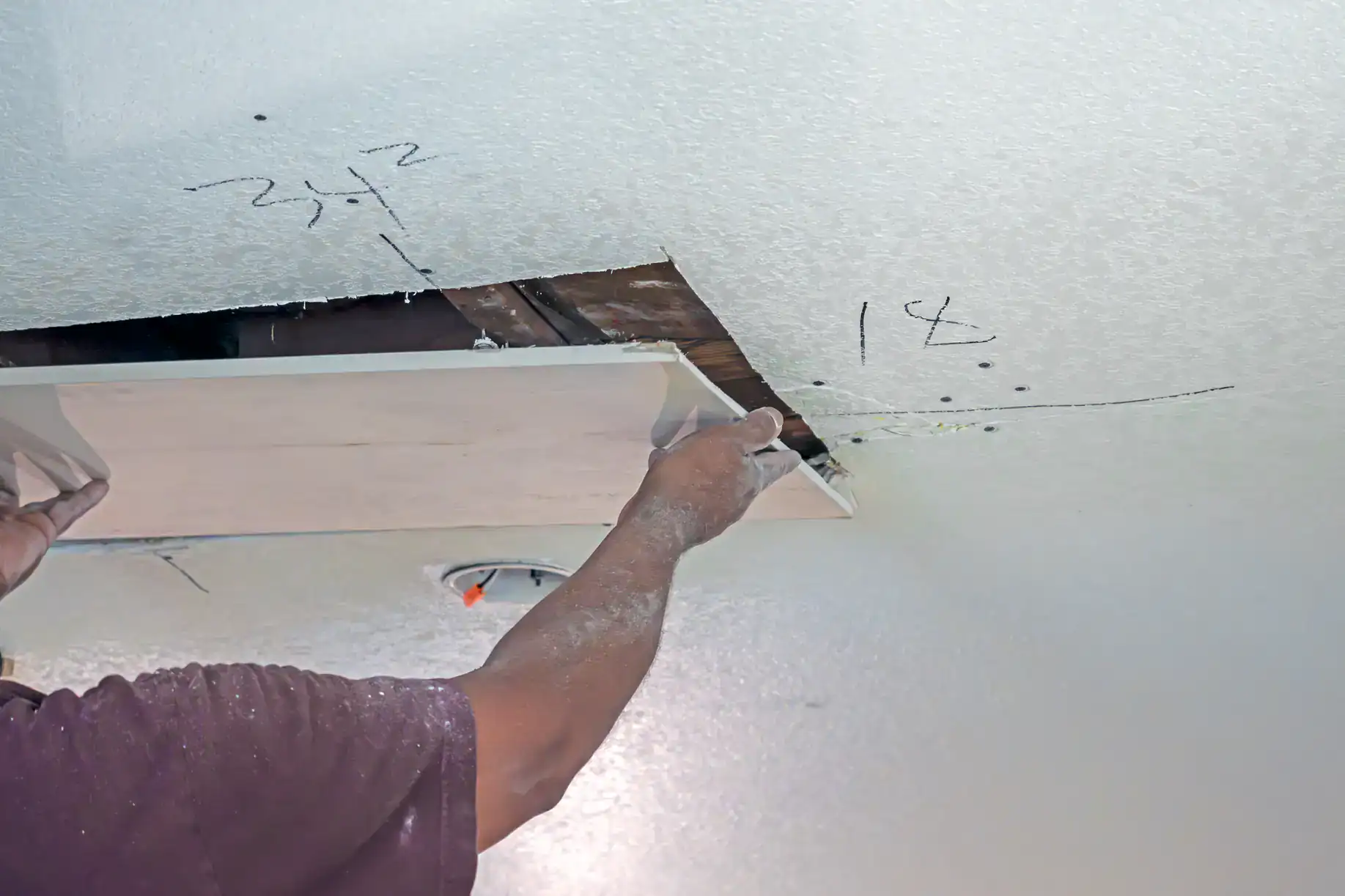
Most residential drywall installation projects in Girard College get completed in one day, assuming we’re talking about a standard room or two. Larger projects like finishing a full floor or multiple rooms might stretch to two days, but you’re not looking at week-long disruptions.
The timeline can shift slightly in historic homes if we encounter unexpected issues like severely uneven framing or walls that need additional prep work. But here’s the thing—experienced installers who regularly work in older Philadelphia properties already anticipate these quirks and plan accordingly.
What slows down most drywall projects isn’t the actual installation. It’s contractors who don’t show up on schedule, who run out of materials mid-job, or who juggle multiple projects simultaneously and leave yours half-finished for days. We schedule your installation, show up when we say we will, and stay until it’s done. You get a completion date upfront, and that’s the date we hit.
Yes, and this is one of the most common requests we get in historic neighborhoods like Girard College. Most of these early 1900s homes have specific textures—knockdown, orange peel, skip trowel, or hand-troweled finishes that you won’t find in modern construction.
Texture matching requires the right tools, the right compounds, and honestly, years of practice to get it right. Our installers carry professional texture equipment and know how to recreate patterns so the repaired or new section disappears into the existing wall. After finishing and painting, you shouldn’t be able to tell where the old wall ends and the new work begins.
The alternative is what most homeowners try first—hiring a cheap contractor or attempting DIY texture matching. You end up with an obvious patch that stands out every time you look at it. Or worse, someone talks you into re-texturing the entire wall or room because they can’t match what’s there. That turns a simple repair into a much bigger, more expensive project than necessary.
You get everything from layout prep through final cleanup in one fixed price. That includes any minor framing adjustments, hanging the drywall, taping all seams, applying multiple coats of mud, detailed sanding for a smooth finish, and texture matching if your project requires it.
The price also covers complete protection of your space—floor coverings, furniture shielding, and dust containment systems. When we’re done, we haul away all debris and vacuum thoroughly. You’re not left with a pile of drywall scraps in your yard or dust covering every surface in your home.
What you won’t see are surprise charges for “unforeseen complications” or upcharges for basic aspects of the job that should’ve been included from the start. The estimate you receive is the price you pay. If we encounter something truly unexpected that changes the scope—like discovering water damage that needs remediation before we can install drywall—we discuss it with you before doing additional work. No surprise invoices after the job’s complete.
The drywall installation includes finishing the surface to a paint-ready state. That means smooth, sanded walls with texture applied if needed. You’ll need to handle painting separately, either yourself or by hiring a painter.
Some homeowners prefer to paint themselves, especially if they’re particular about paint quality or color matching. Others hire a painting contractor. Either way, the surface we deliver is ready for primer and paint immediately—no additional prep work required.
If you’re renovating multiple aspects of your Girard College home simultaneously, coordinating the painting timeline is straightforward. Drywall installation and finishing happens first, then painting follows once everything’s cured. Most professional painters prefer working with properly finished drywall because it means fewer coats and better coverage. Cheap drywall work with visible imperfections shows through paint and requires extra time and materials to hide.
Historic homes in Girard College come with challenges that don’t exist in newer construction. Walls aren’t perfectly plumb, framing spacing doesn’t match modern standards, and you’re often working around original plaster, irregular dimensions, and settling that’s happened over decades.
Installing drywall in these conditions requires more time, more skill, and often custom cutting for every single piece. You can’t just measure once and assume the next opening will be identical. Experienced installers who work regularly in older Philadelphia properties know how to adapt their technique, use shims where needed, and create a finished product that looks flawless despite the quirks underneath.
The alternative is hiring installers who primarily work new construction. They show up expecting standard measurements and modern framing, then either struggle through the job producing subpar results, or they start adding charges for every “unexpected” issue they encounter. You end up paying more anyway, but without the benefit of someone who actually knows what they’re doing in a historic property. The cost difference upfront reflects real expertise that saves you money and frustration in the long run.
If you’re dealing with isolated damage—a hole, a crack, water stains in one area—you probably need drywall repair, not full installation. Repair involves cutting out the damaged section, patching it with new drywall, and finishing it to match the surrounding wall.
Full drywall installation makes sense when you’re finishing an unfinished space, removing old plaster walls, or dealing with damage so extensive that patching individual spots doesn’t make sense anymore. In older Girard College homes, we sometimes see situations where the existing plaster is failing in multiple areas, cracking along seams, or separating from the lath underneath. At that point, installing new drywall over the existing surface or replacing sections entirely becomes more cost-effective than endless repairs.
During the free estimate, we assess what you’re dealing with and recommend the approach that actually solves your problem. If repair makes more sense, we’ll tell you that. If you need installation, we’ll explain why and give you detailed pricing for exactly what your project requires. The goal is fixing your walls correctly, not upselling you into more extensive work than necessary.
Other Services we provide in Girard College