
Most drywall problems show up six months later. Seams that crack as the house settles. Tape that bubbles when humidity hits. Corners that never looked right to begin with.
You’re dealing with homes that have moved and shifted for decades. The median construction year here is 1944, which means your walls need more than standard installation. They need someone who knows how these houses behave.
When drywall installation in Frankford, PA is done right, you don’t see seams reappear every spring. You don’t get calls about cracks spreading across ceilings. The finish holds because the prep work accounted for movement, moisture, and the reality of older framing. That’s what proper installation looks like—walls you forget about because they’re doing their job.
We’ve been installing and repairing drywall across Frankford, PA and the surrounding Montgomery, Bucks, and Philadelphia County areas for years. We’re licensed, insured, and we show up when we say we will.
Most of the homes we work in were built before 1950. That means plaster over lath, uneven studs, and walls that have seen their share of patch jobs. We know what we’re walking into before we get there.
You’re not getting a crew that learned drywall in new construction. You’re getting installers who’ve handled water damage in row homes, ceiling repairs in twins, and full gut jobs where nothing was square to begin with. Frankford homes have specific challenges, and we’ve seen most of them.
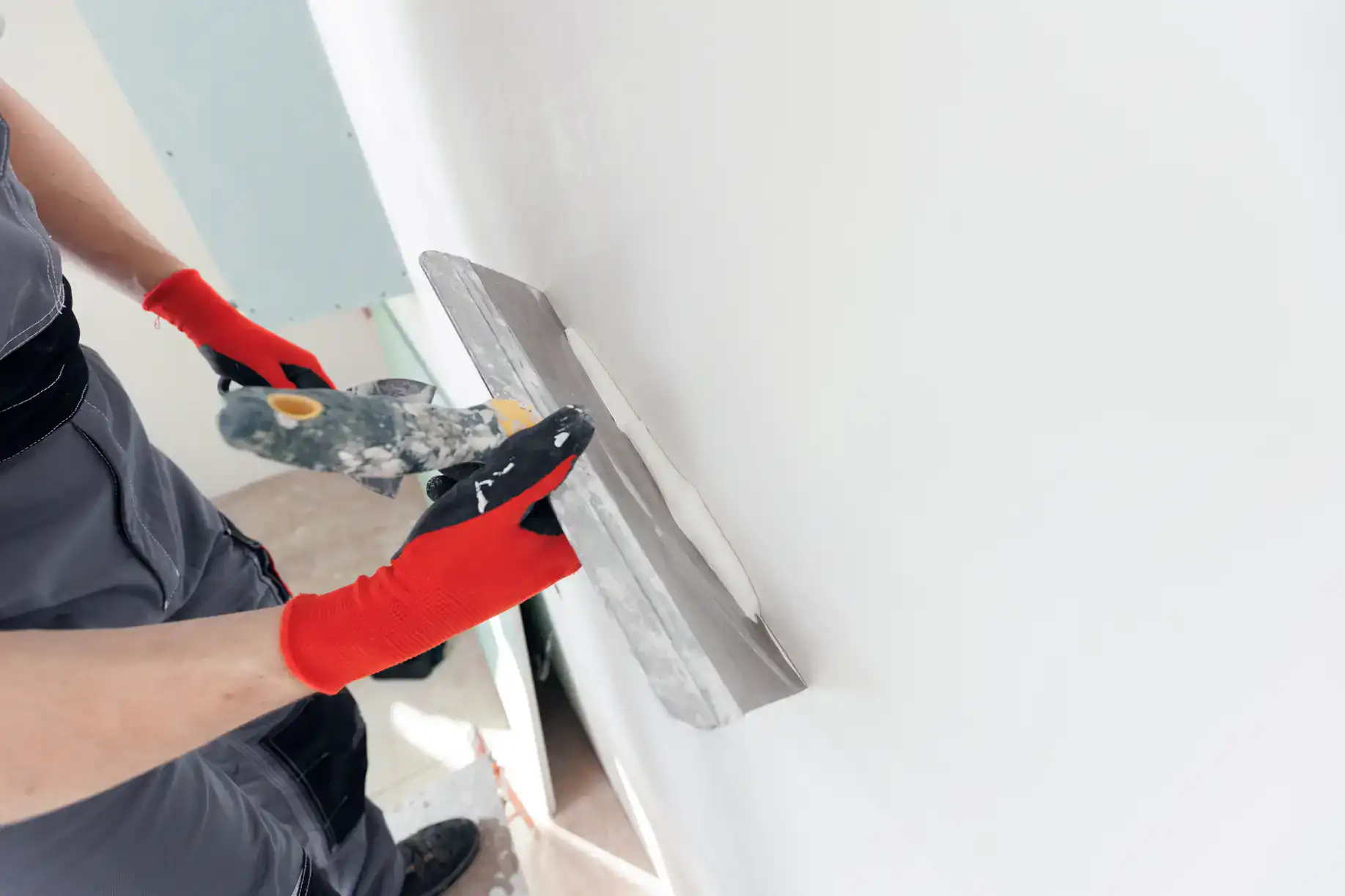
We start with an assessment. Not just measurements—we’re checking for moisture, looking at how the house has settled, and identifying anything that’ll cause problems later. If your studs aren’t consistent or there’s an old leak we need to address first, you’ll know before we hang a single sheet.
Next comes material prep and hanging. We’re using moisture-resistant drywall in basements and bathrooms, fire-resistant board where it makes sense, and standard sheets everywhere else. Everything gets screwed in properly—not overdriven, not underdriven. Corners get backed correctly so they don’t crack when the house moves.
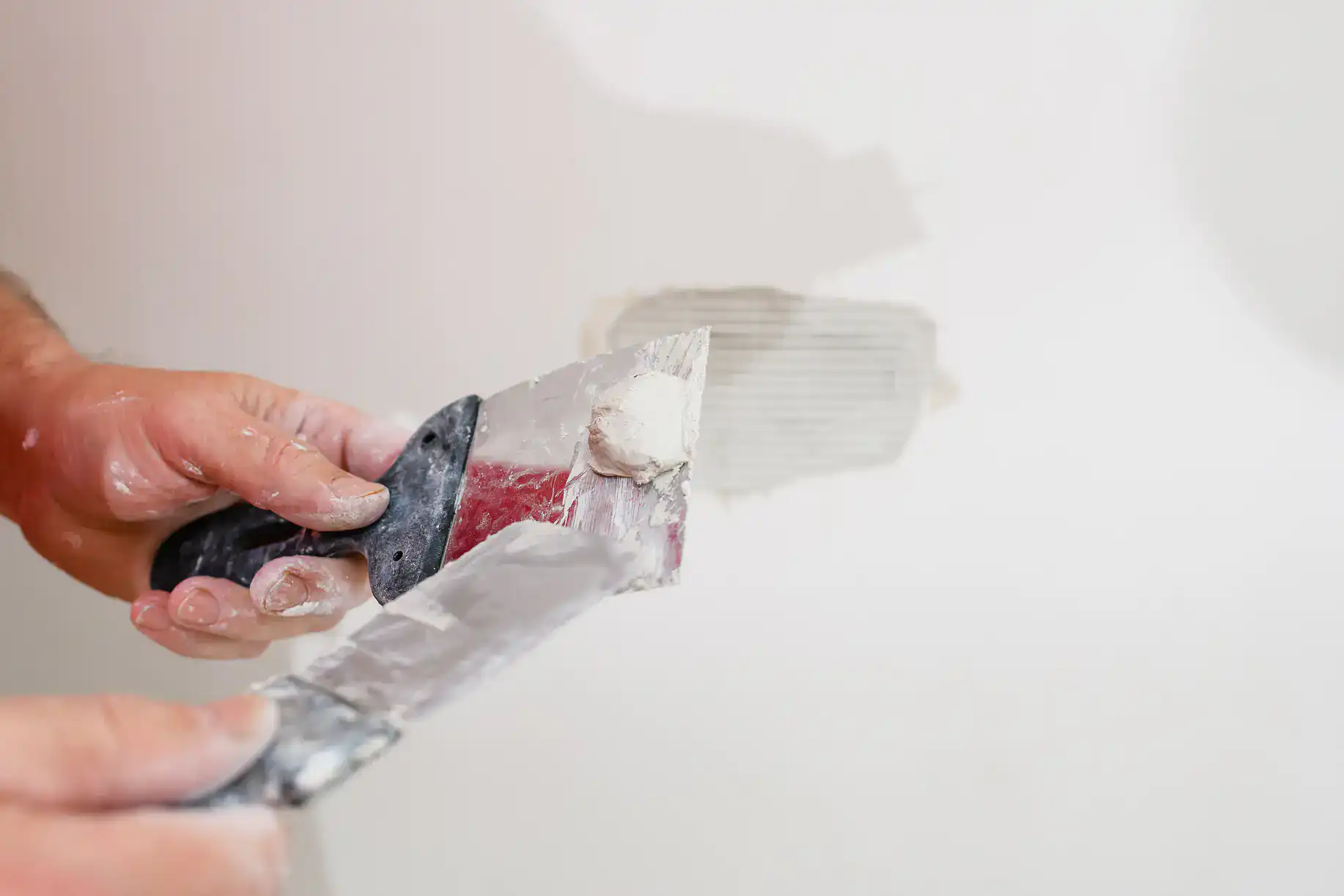
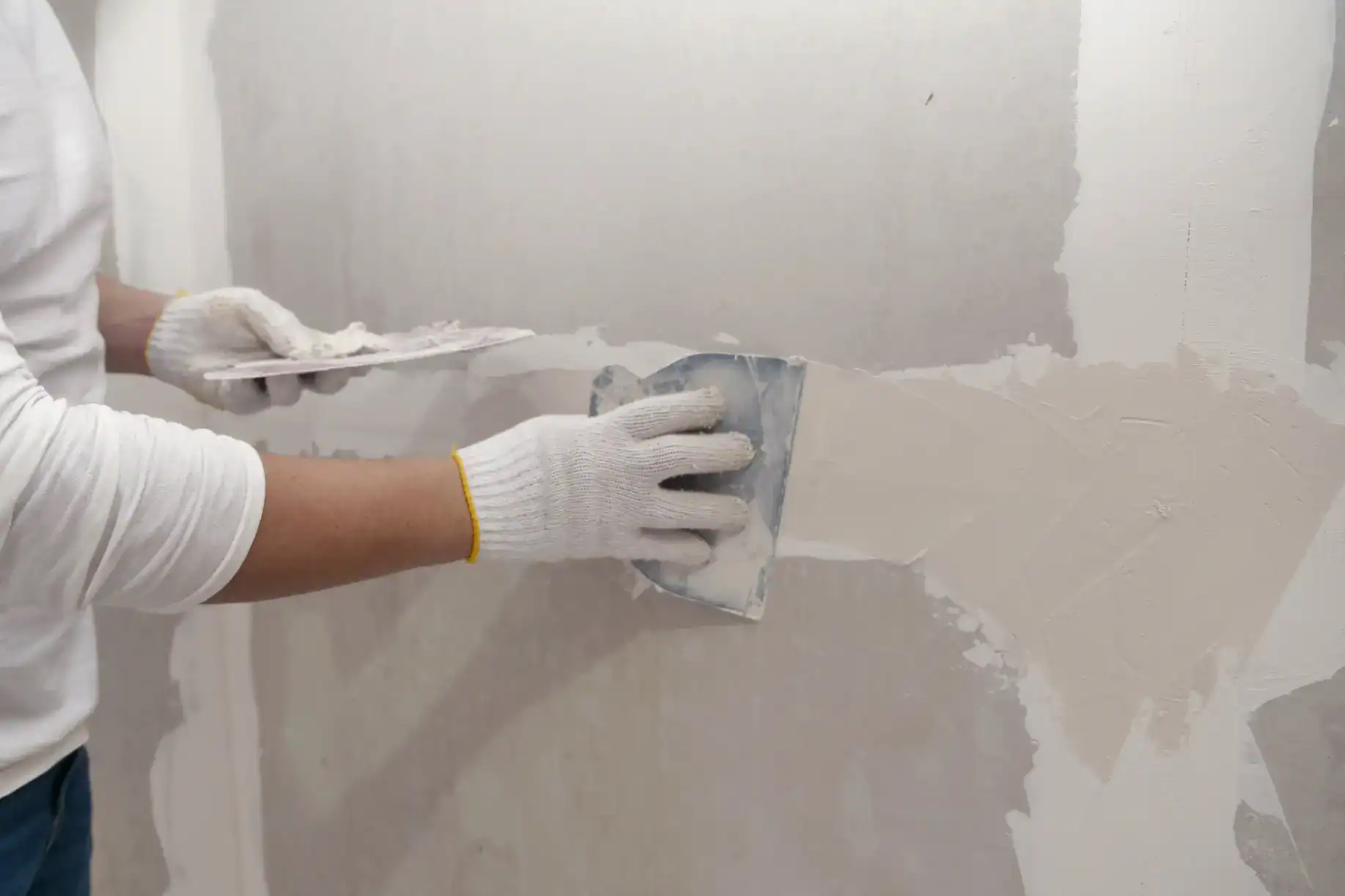
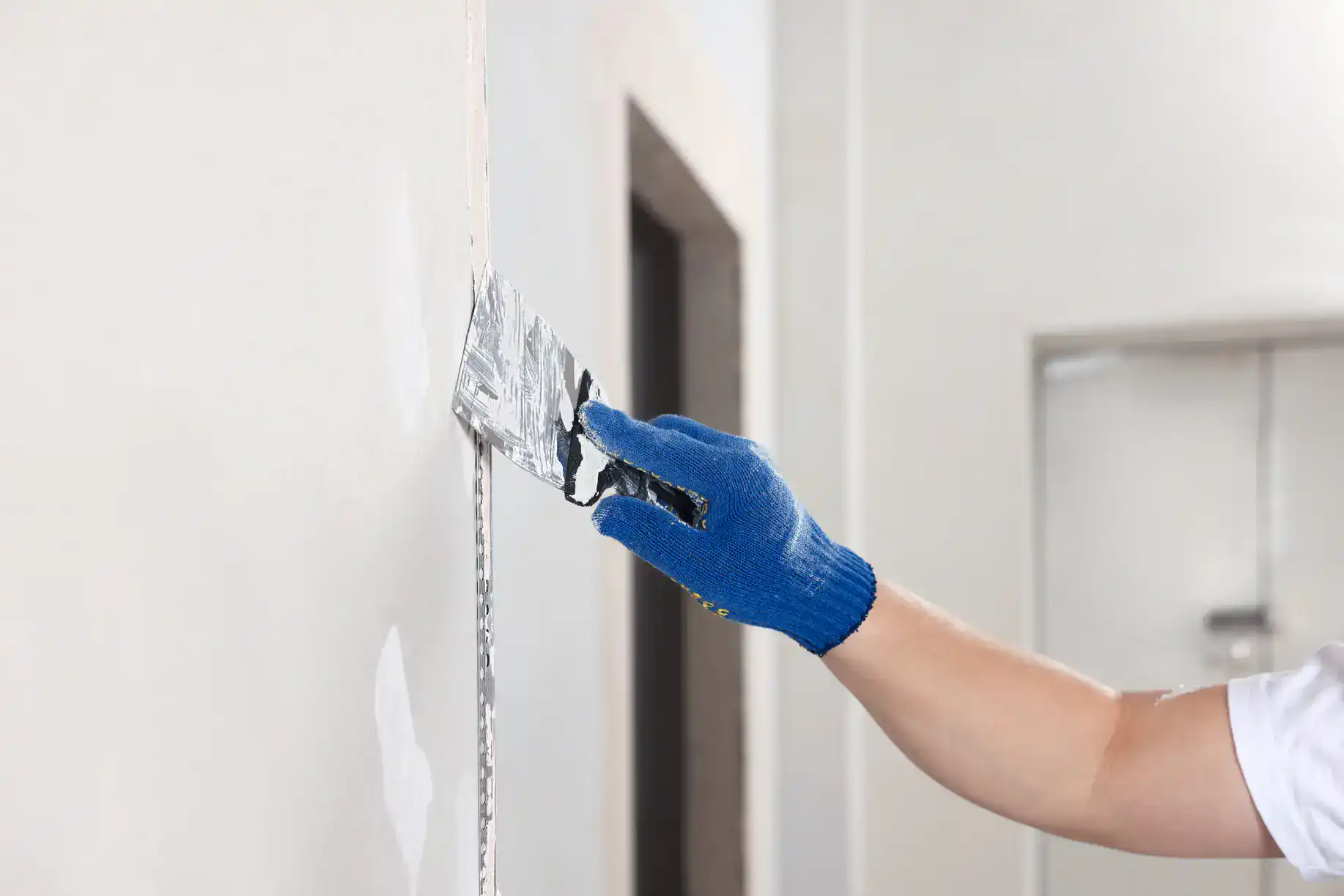
Then it’s taping, mudding, and finishing. This is where most installers cut corners and where you’ll see the difference a year from now. We tape every seam, apply multiple coats of compound, and sand between each one. The goal isn’t just smooth walls today—it’s seams that stay invisible as your house continues to settle.
A typical room takes two to three days. Larger projects take longer, but we’re not dragging things out. You’ll get a timeline up front, and we stick to it.
Ready to get started?
The average cost to install drywall in Frankford, PA runs between $1,077 and $3,118 depending on the size of the job, the type of drywall you need, and how much prep work is involved. If we’re working around old plaster, dealing with uneven framing, or installing moisture-resistant materials, that affects pricing.
You’re paying for material, labor, and expertise. Material costs have gone up—moisture-resistant and fire-resistant drywall runs about 5-8% more than standard board, but it’s worth it in basements and attached row homes. Labor covers hanging, taping, mudding, sanding, and cleanup. Expertise is what keeps your seams from cracking when the house settles next winter.
Here’s what matters: the cost to install drywall in Frankford, PA should include proper prep, quality materials suited to your home’s age and condition, and finishing work that lasts. If someone’s significantly cheaper, ask what they’re skipping. If they’re way higher, ask what you’re getting for the premium. We price jobs based on what actually needs to happen—not what sounds good in an estimate.
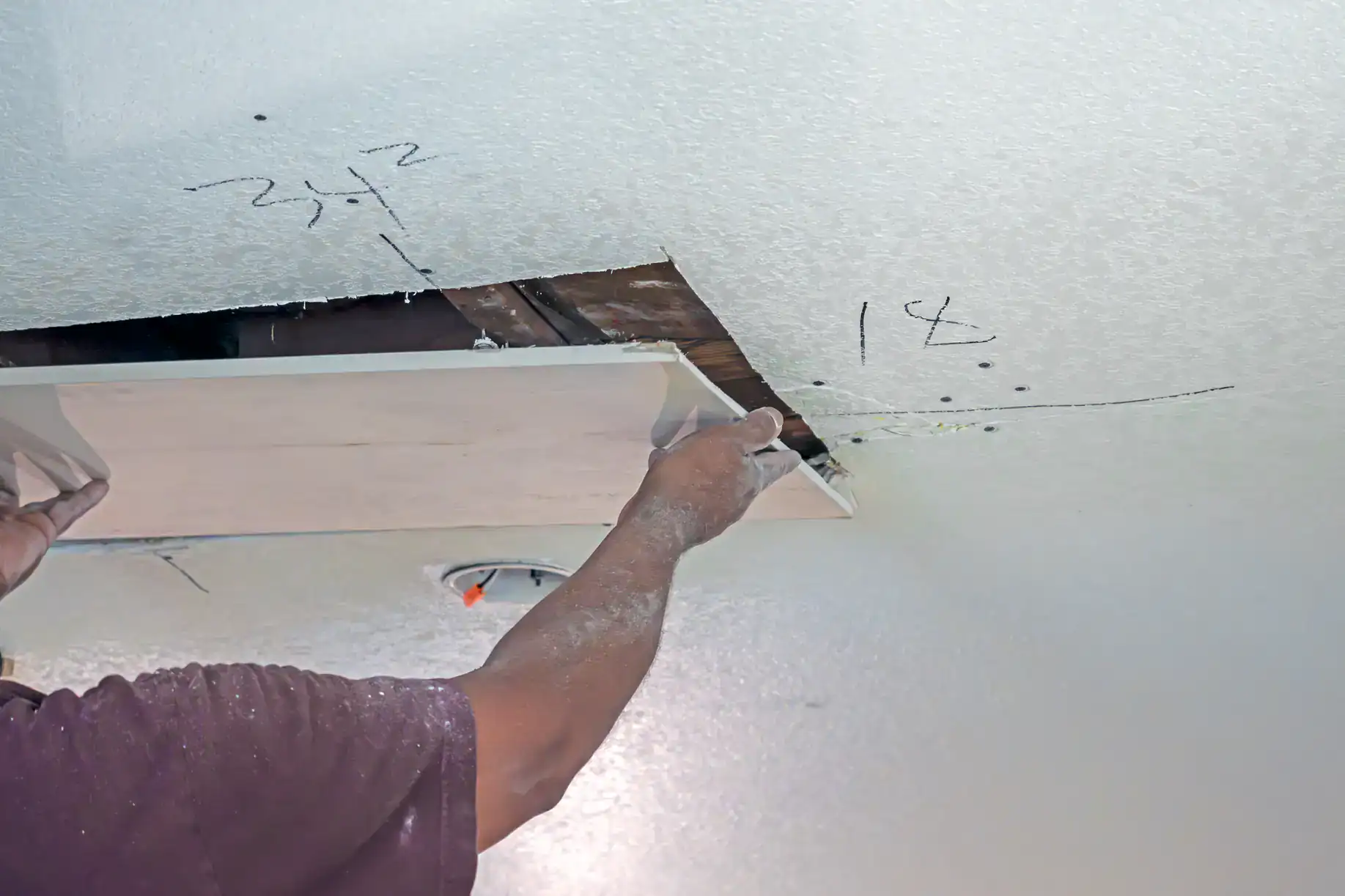
A single room takes two to three days from start to finish. That includes hanging, taping, multiple coats of mud, sanding, and cleanup. Larger projects scale up from there—a full floor might take a week, a whole house could take two to three weeks depending on size and complexity.
The timeline depends on how much prep work is needed. If we’re removing old plaster or fixing framing issues, that adds time up front. If we’re working around plumbing or electrical that needs updating, we coordinate with other trades so you’re not waiting on us.
Most delays happen because someone rushes the mudding process. Each coat needs to dry properly before the next one goes on. We don’t speed that up because it causes problems later. You’ll get a realistic timeline before we start, and we build in buffer for the actual drying time the work requires.
Moisture-resistant drywall, sometimes called green board or purple board depending on the brand. Frankford sits in an area where basements deal with humidity, occasional seepage, and temperature swings. Standard drywall absorbs moisture and breaks down over time.
Moisture-resistant drywall costs about 5-8% more than standard board, but it’s designed to handle the conditions your basement actually faces. The paper facing is treated to resist mold growth, and the core is formulated to shed moisture instead of soaking it up. If you’ve had water issues before, this isn’t optional—it’s necessary.
For basements that have had serious water problems or flooding, you might want to consider cement board or other alternatives in high-risk areas. We’ll walk through your specific situation and recommend what makes sense based on your basement’s history and current condition.
Because the house is still moving. Homes built in the 1940s and earlier have settled for decades, and they’re not done. Foundations shift slightly with freeze-thaw cycles, wood framing expands and contracts with humidity changes, and the whole structure flexes more than newer homes built to modern standards.
When drywall installers don’t account for this movement, seams crack. If the tape isn’t embedded properly in the first coat of mud, it eventually pulls loose. If corners aren’t backed with solid blocking, they separate when the framing moves. If screws are overdriven and break the paper facing, the board loses its hold.
The fix is proper installation technique. That means using the right amount of mud under the tape, not skipping coats, and placing fasteners correctly so the board can move slightly without cracking. It also means knowing where movement is most likely—ceiling seams, inside corners, and anywhere two walls meet at an angle—and reinforcing those areas appropriately.
Yes, especially on shared walls. Row homes and twins share structural walls with neighbors, and fire-resistant drywall (Type X) gives you an extra layer of protection if something happens next door. It’s not going to stop a fire, but it slows it down—usually rated for 60 minutes of fire resistance.
Type X drywall costs slightly more than standard board, but it’s a reasonable investment when your home is attached to others. Building codes often require it on shared walls and in certain locations like garage ceilings and furnace rooms. Even if it’s not required in your specific situation, it makes sense in attached housing.
Fire-resistant drywall also tends to be denser, which has the side benefit of reducing noise transmission between units. If you’re dealing with loud neighbors or want more sound privacy, the same material that gives you fire protection also helps with acoustics.
Most residential projects in Frankford, PA fall between $1,077 and $3,118 depending on square footage, material type, and site conditions. A typical 12×12 room runs around $800 to $1,500 installed. Larger projects like finishing a basement or drywalling multiple rooms bring the per-square-foot cost down slightly.
The cost to install drywall in Frankford, PA includes material, labor, and finishing. Standard drywall runs about $0.90 to $2.00 per square foot installed. Moisture-resistant or fire-resistant materials add 5-8% to material costs. If we’re working in an older home with irregular framing or removing old plaster first, labor costs go up because the job takes longer.
You’ll get a fixed quote before we start, not an estimate that changes halfway through. We look at the actual space, measure everything, account for the condition of your framing and any prep work needed, and give you a number we’ll stick to. No surprises, no “unforeseen circumstances” that cost extra unless you change the scope of work.
No, but it’s going to be dusty and disruptive. Sanding drywall mud creates fine dust that gets everywhere, even with proper containment. We use dust barriers and vacuum sanders to minimize it, but you’ll still want to cover furniture and plan for some cleanup afterward.
If we’re working in one or two rooms, you can absolutely stay in the house. We’ll contain the work area as much as possible and clean up at the end of each day. Most people choose to be out during the day while we’re working and come back in the evening.
For larger projects like whole-floor or whole-house drywall installation in Frankford, PA, some homeowners stay with family for a few days during the sanding phase. It’s not required, but it’s more comfortable. We’ll walk through the timeline so you know which days will be loudest and dustiest, and you can plan accordingly.
Other Services we provide in Frankford