
Your walls should be smooth. Seams shouldn’t be visible from across the room. Electrical boxes shouldn’t have half-inch gaps around them that you’ll notice every time you plug something in.
When you’re installing drywall in East Tioga, PA, the difference between acceptable and professional shows up fast. You’ll see it in how the seams line up, how the corners meet, and whether you’re dealing with dust for weeks or days.
Good drywall installation means you’re not calling someone back to fix what should’ve been done correctly the first time. It means your painter isn’t texting you about uneven surfaces. It means the project moves forward instead of stalling out because the walls aren’t ready.
You’re paying for materials and labor either way. The question is whether you’re also paying to fix problems that shouldn’t exist.
We handle residential and commercial projects across East Tioga, PA and the surrounding Tioga County area. We’ve been doing this long enough to know what causes callbacks and how to avoid them.
Most drywall installation cost in East Tioga runs between $1.50 and $3 per square foot depending on the scope, ceiling height, and finish level you need. We give you a clear number upfront based on what your project actually requires.
We’re not the cheapest option you’ll find. We use quality materials, we don’t rush corners to get to the next job, and we clean up properly. If you’re looking for the absolute lowest bid, we’re probably not your crew. If you want it done right so you’re not dealing with repairs in six months, we should talk.
We start with a walkthrough or photos to see what you’re working with. That gives us what we need to price the job accurately and tell you how long it’ll take.
Once we’re on site, we measure and cut to minimize seams. Full sheets wherever possible. Proper spacing around outlets and fixtures. We’re not trying to piece together scraps to save five minutes.
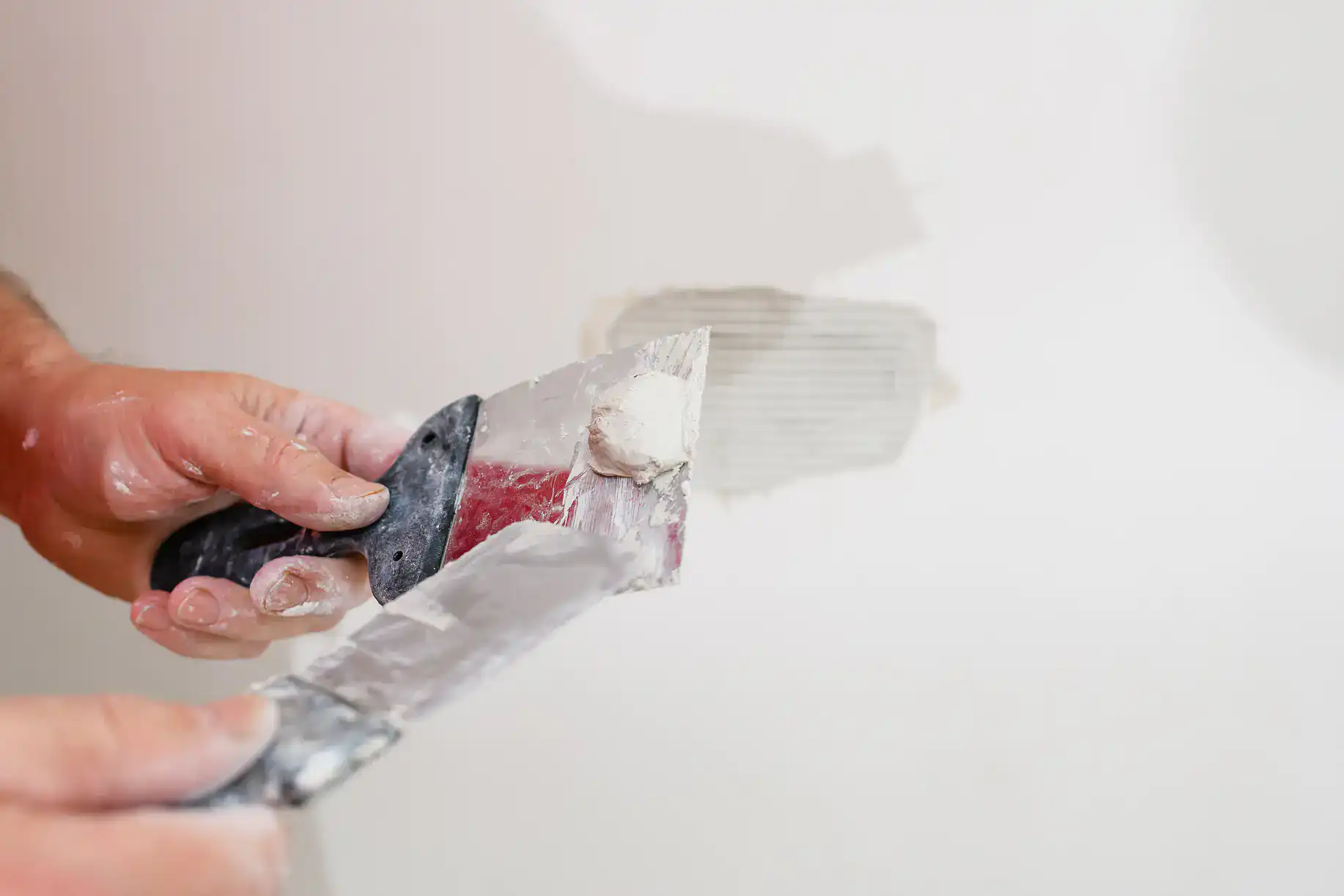
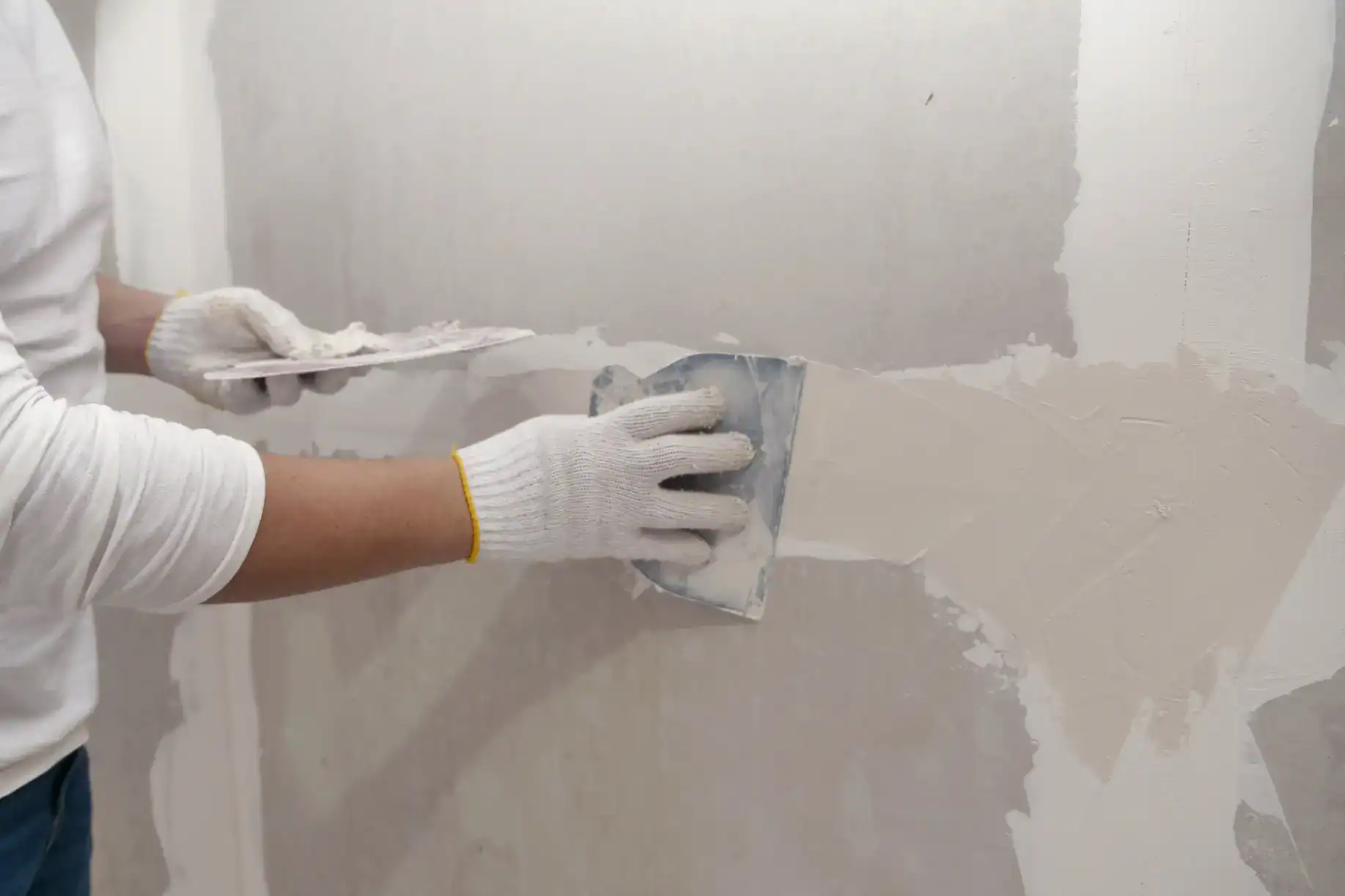
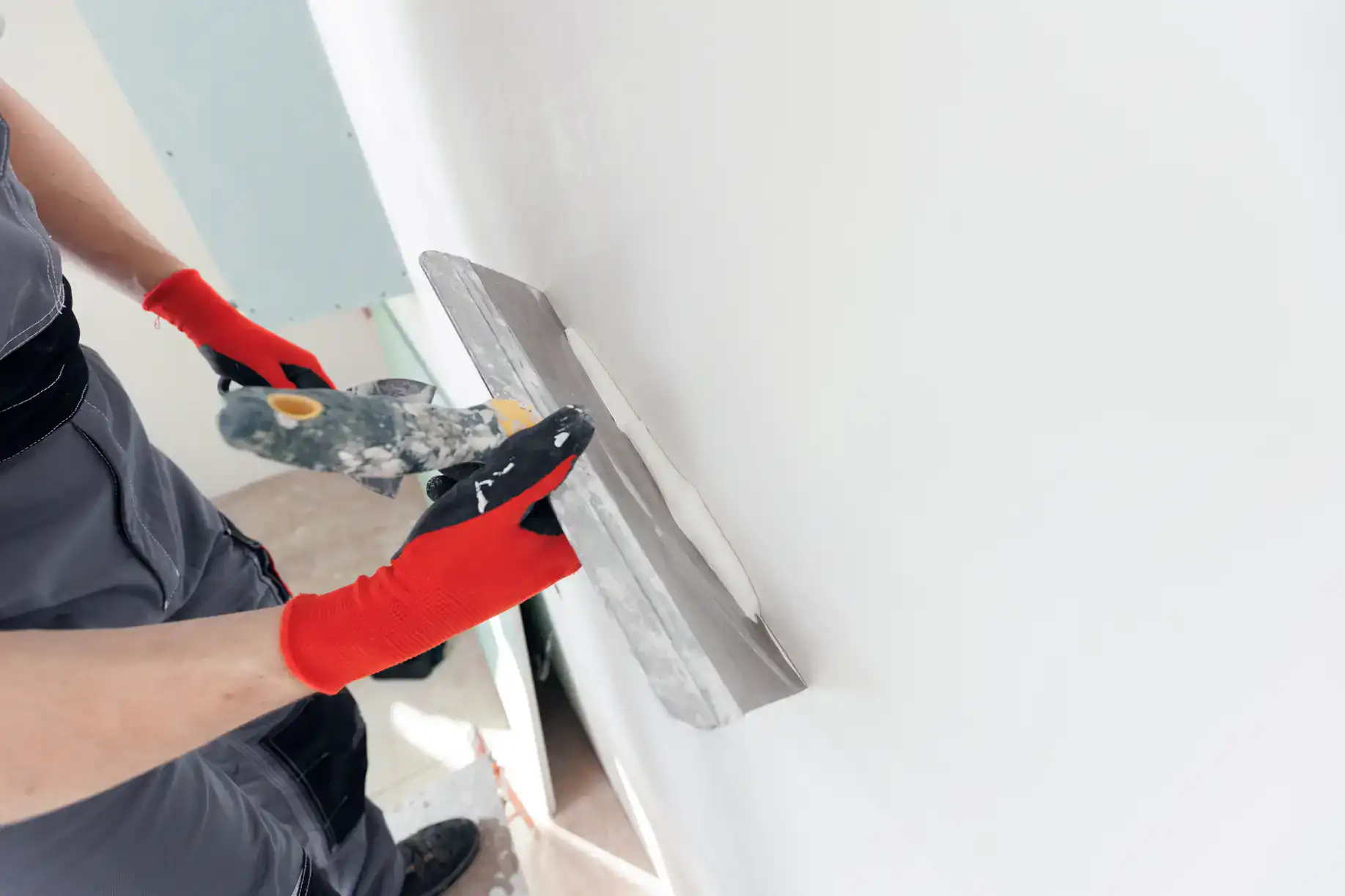
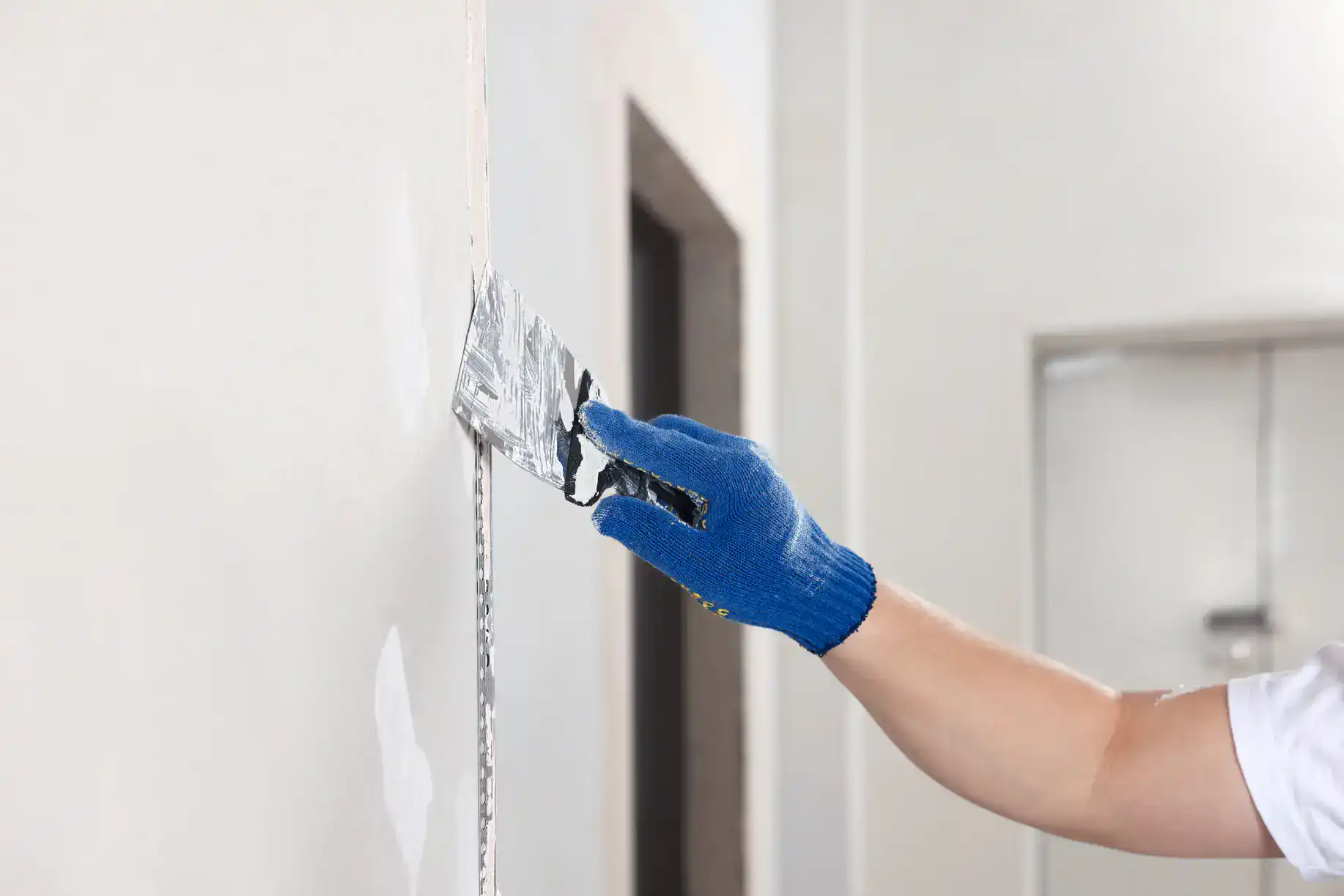
Hanging comes first, then taping and mudding. Depending on the finish level you need, that’s anywhere from three to five coats with sanding between each. We set up dust barriers and run ventilation because drywall dust gets everywhere if you let it.
Cleanup happens daily, not just at the end. We haul out scraps and debris as we go. When we’re done, you shouldn’t be vacuuming drywall dust out of your vents for the next month.
Most residential projects in East Tioga take between two days for a single room and eight to ten days for a full home, depending on size and finish requirements. Commercial work varies more, but we’ll give you a realistic timeline before we start.
Ready to get started?
The cost to install drywall in East Tioga depends on square footage, ceiling height, finish level, and whether we’re working in an empty space or around existing fixtures. A standard room with 8-foot ceilings and a level 4 finish runs less than a vaulted ceiling with level 5 finishing.
We supply, hang, tape, mud, and sand. You get the finish level you specify—level 3 for texture or tile areas, level 4 for flat paint, level 5 for high-end smooth finishes under critical lighting. We’re not upselling you on a level 5 finish if your walls don’t need it.
Material choice matters more than most people realize. We stock regular half-inch, moisture-resistant for bathrooms, Type X for fire rating where code requires it, and soundproofing options if you’re dealing with noise transfer between rooms or units. Pennsylvania building code has specific requirements for fire-rated assemblies in certain applications, and we make sure those are met.
You’re also paying for proper installation that doesn’t create problems down the line. Screws at the right depth so they don’t pop through later. Joints that land on studs. Corners that are actually square. The stuff that matters but doesn’t show up in photos.
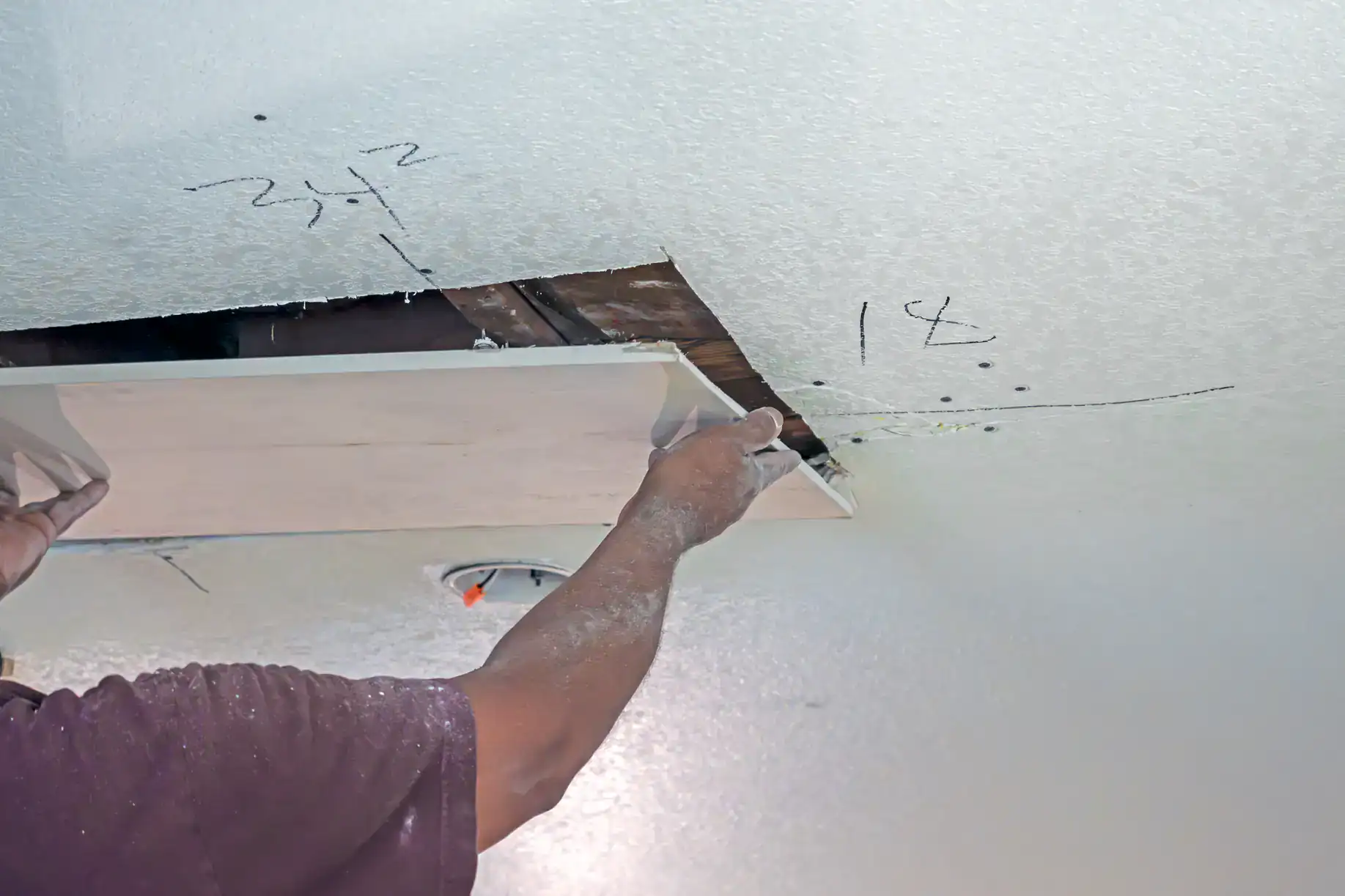
Most residential drywall installation in East Tioga, PA runs between $1.50 and $3 per square foot including materials and labor. A typical 12×12 room with standard 8-foot ceilings is roughly 400 square feet of wall area, putting you in the $600 to $1,200 range depending on finish level and complexity.
That price covers hanging, taping, mudding, and sanding to the finish level you need. Level 4 finish is standard for most homes—smooth enough for flat paint without visible imperfections. Level 5 adds an extra skim coat for high-end finishes or areas with harsh lighting.
Costs go up if you’ve got vaulted ceilings, need fire-rated Type X drywall, or you’re working around a lot of existing fixtures that slow down the install. Repairs and patches cost more per square foot than new installation because there’s more prep work and blending involved. We’ll give you an exact number once we see what you’re working with.
A single room usually takes two to three days from start to finish. A full house can run eight to ten days depending on square footage and how many rooms we’re working on.
The timeline depends on finish level more than anything else. Each coat of mud needs to dry before we can sand and apply the next one. You can’t rush that without creating problems. We’re not sitting around—we’re moving between rooms and managing dry times efficiently—but the process takes as long as it takes.
Weather affects dry times, especially in Pennsylvania winters when humidity is higher and temps drop. We adjust our schedule accordingly. If you’ve got a hard deadline, tell us upfront so we can plan around it or let you know if it’s realistic. We’d rather be honest about timing than promise something we can’t deliver.
Finish levels run from 0 to 5, and most homes use level 4. Level 0 is just hung with no taping—you’d only see that on temporary construction. Level 1 is tape embedded in mud with no smoothing, typically behind tile or in attics where appearance doesn’t matter.
Level 2 adds a coat over the tape and fasteners but still shows tool marks. That’s fine under texture or in garages. Level 3 is smooth enough for heavy texture or areas getting tile. Level 4 is what most East Tioga homes get—smooth walls ready for flat or eggshell paint with no visible imperfections under normal lighting.
Level 5 adds a skim coat over the entire surface for glass-smooth walls. You’d want that in high-end homes, rooms with lots of natural light, or anywhere you’re using flat paint that shows every imperfection. It costs more and takes longer, but if your lighting is harsh or your paint sheen is flat, it’s worth it. We’ll recommend what makes sense for your specific situation.
We handle both. Repairs are actually trickier than new installations in some ways because you’re blending new work into existing surfaces. The patch itself is straightforward—cut out the damaged section, add backing if needed, fit the new piece, tape and mud.
The hard part is feathering the edges so you can’t tell where the repair is once it’s painted. That takes more coats and more sanding than new work. If your existing walls have texture, we match that too.
Common repairs in East Tioga include water damage from roof leaks or plumbing issues, holes from doorknobs or accidents, and cracks from settling. We’ll tell you if the damage indicates a bigger problem—like if you’ve got ongoing moisture issues that need addressing before we patch, or if settling cracks suggest foundation movement. Fixing the drywall without fixing the cause just means you’re calling us back in six months.
Standard half-inch drywall works for most interior walls and ceilings in East Tioga homes. It’s cost-effective and does the job for bedrooms, living areas, and hallways. Five-eighths inch is better for ceilings if you want less sag over time, and it’s required in some fire-rated applications.
Bathrooms, laundry rooms, and basements need moisture-resistant drywall—the stuff with the green or purple paper facing. Regular drywall absorbs moisture and eventually fails in high-humidity areas. Moisture-resistant board costs a bit more but prevents mold growth and deterioration.
If you’re finishing a basement in East Tioga, you’re dealing with Pennsylvania’s humidity and potential moisture issues. Use moisture-resistant board on exterior walls and regular drywall on interior partitions. Type X fire-rated drywall is required by code in attached garages and between units in multi-family buildings—it’s got additives that slow fire spread. Soundproofing drywall or double layers with resilient channels help if you’re dealing with noise transfer between rooms or from outside. We’ll spec the right materials based on your specific rooms and local code requirements.
Look at the seams first. You shouldn’t see ridges or valleys where sheets meet. Run your hand across joints—they should feel smooth and flat, not bumpy or uneven. Corners should be crisp and straight, not rounded or wavy.
Check around electrical boxes and fixtures. There shouldn’t be gaps wider than an eighth of an inch, and definitely not the half-inch gaps you see with sloppy work. Boxes should sit flush with the wall surface so your outlets and switches mount properly without needing shims.
Screw heads should be slightly dimpled but not broken through the paper. Too shallow and they’ll pop later. Too deep and you’ve compromised the board. Fasteners should be spaced correctly—typically 16 inches on center on walls, 12 inches on ceilings. You shouldn’t see screws randomly placed or missing in areas.
Ask about cleanup process and dust containment. We set up barriers and run ventilation to keep dust contained. If a drywall installer isn’t talking about cleanup, you’ll be dealing with dust in your HVAC system for months. Quality work includes the process, not just the end result.
Other Services we provide in East Tioga