
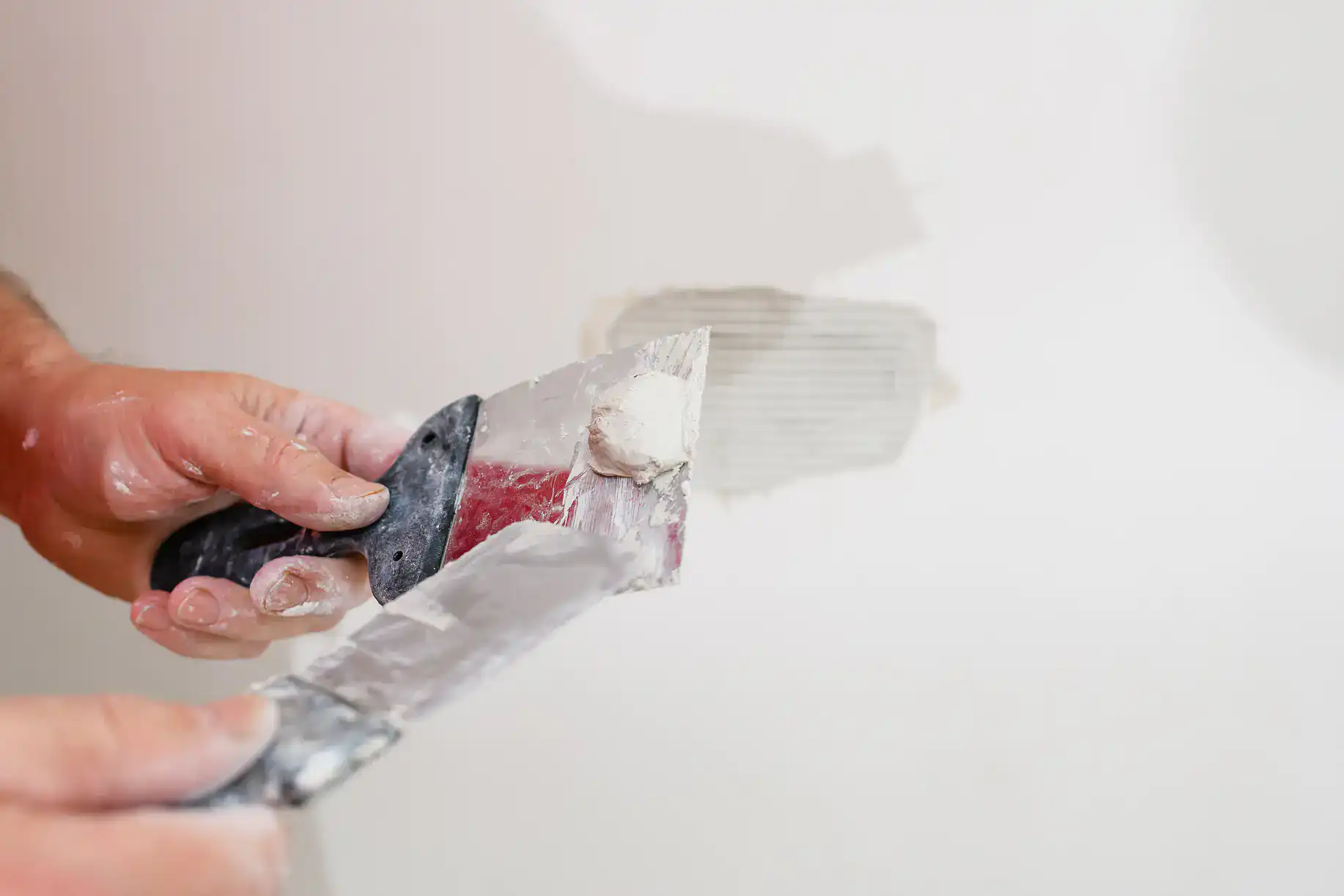
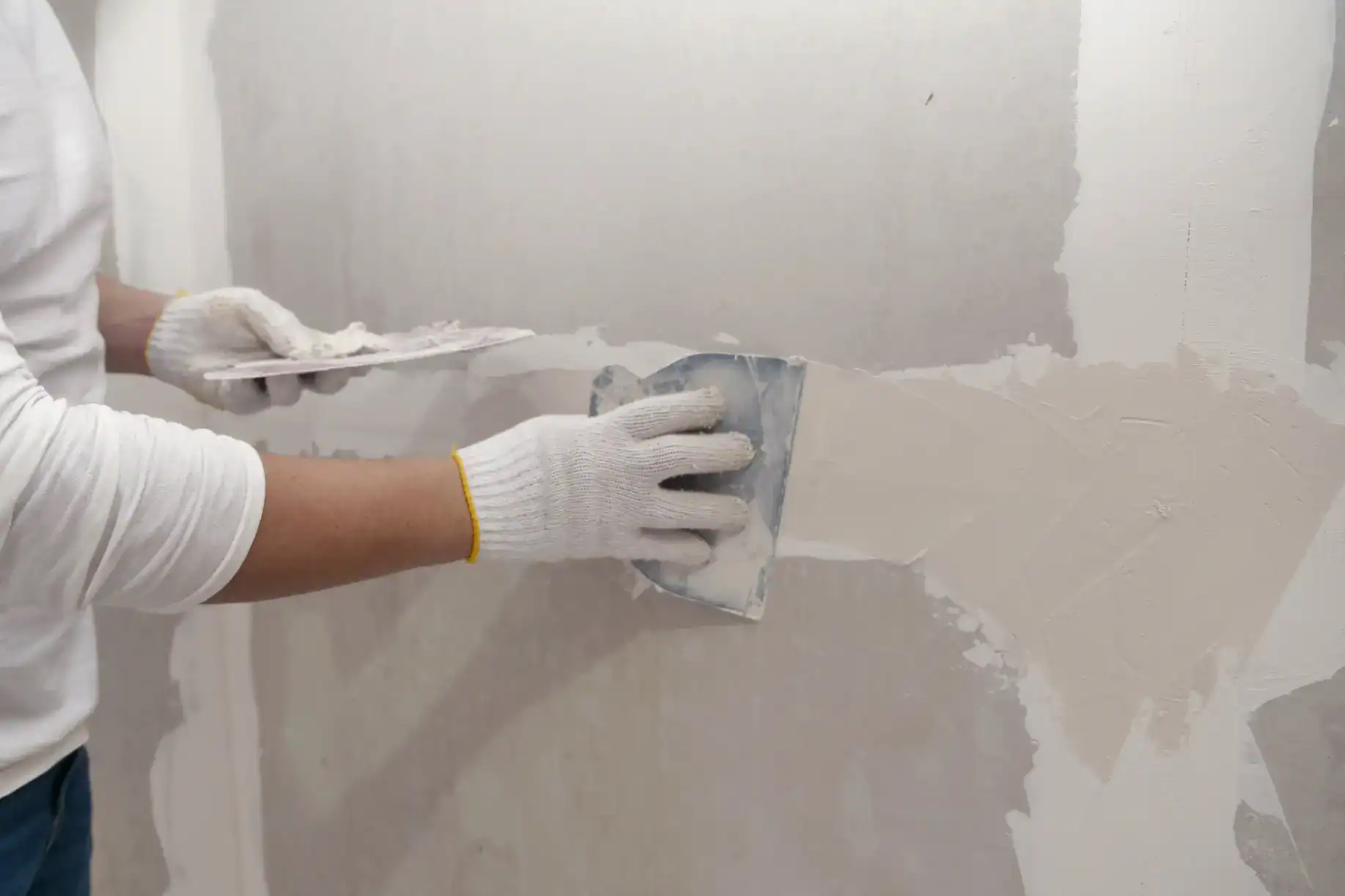
You’re not looking at your walls every day wondering when the seams will start showing. The surface is smooth when you run your hand across it. Paint goes on evenly because the finish work was done correctly from the start.
That’s what happens when your drywall installer actually knows how to handle corners, tape joints properly, and match existing textures. You’re not calling someone back in three months because cracks appeared or the mud job looks like it was done in the dark.
Most drywall installation problems come from rushing the process or skipping steps that matter. Edges need proper support. Seams need the right number of coats. Fasteners need to be set at the correct depth. Miss any of that and you’ll see it eventually.
When installing drywall correctly in East Germantown, PA, you get walls that stay smooth, corners that stay sharp, and a finish that holds up to normal wear without constant touch-ups.
We handle drywall installation in East Germantown, PA for homeowners who want it done correctly without the runaround. We’re local, we’re licensed, and we’ve seen what happens when corners get cut.
East Germantown homes have their quirks. Older construction means you’re sometimes matching plaster textures or working around settling that’s happened over decades. Newer builds need clean, fast installation that keeps projects on schedule. We handle both.
You’ll get a clear estimate that breaks down material and labor. No surprise charges. No disappearing after the deposit. Just straightforward work from people who show up when they say they will.
First, we look at your space and measure everything. You get an estimate that includes the actual cost to install drywall, materials, finishing work, and cleanup. No vague “we’ll figure it out later” pricing.
Once we start, we prep the area to keep dust contained. Drywall sheets go up with proper fastener spacing and edge support. This isn’t the step where you see the finished product, but it’s where most problems get created or prevented.
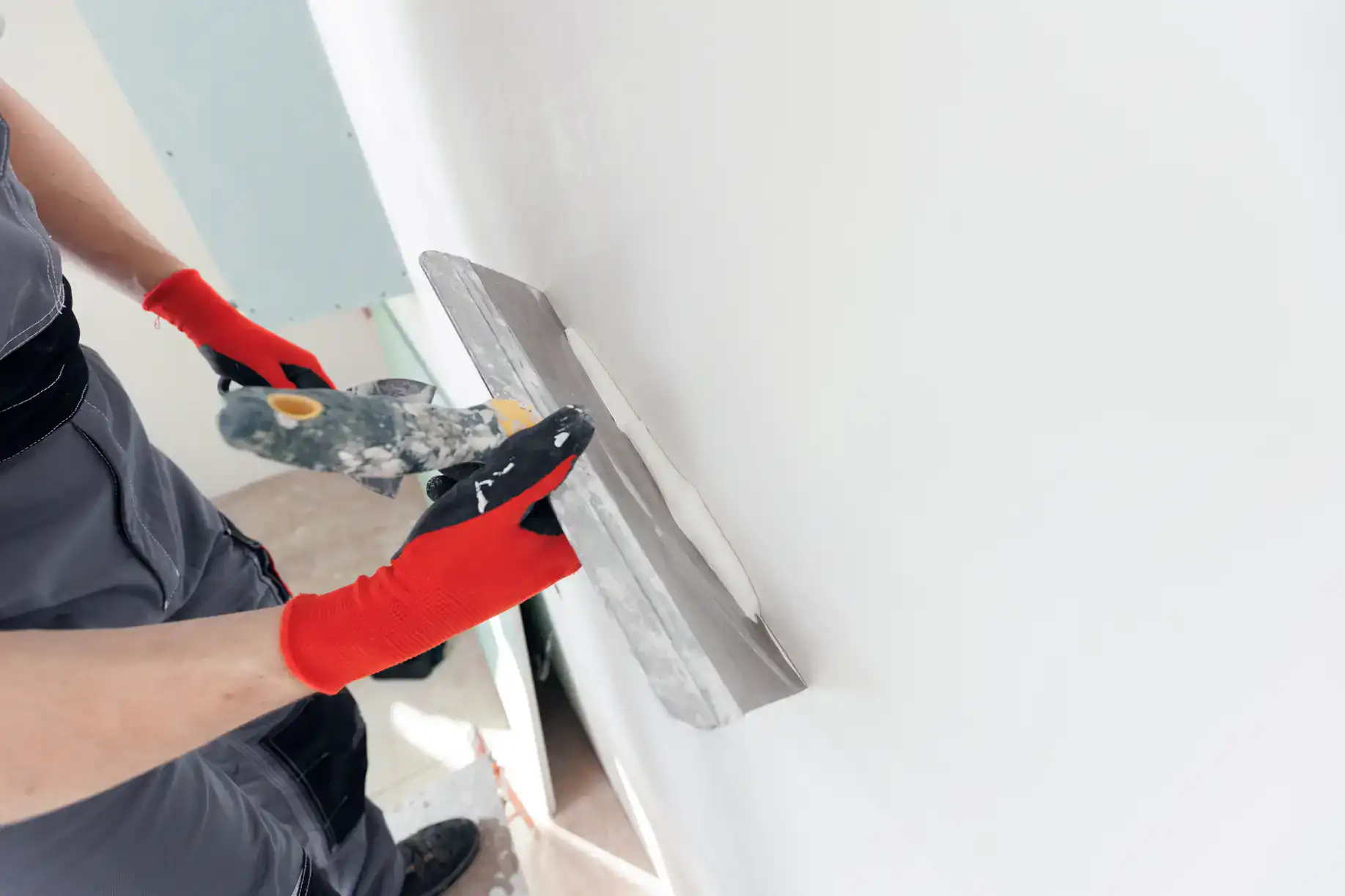
Taping and mudding comes next. This takes multiple coats with drying time between each one. Rushing this is how you end up with visible seams and ridges. We sand between coats and check the surface with a light to catch imperfections before they become permanent.
Final finish depends on what you need. Smooth for paint, textured to match existing walls, or primed and ready for your painter. We clean up the dust, haul away scraps, and leave you with walls that are actually ready for the next step.
The whole process usually takes a few days to a week depending on the size of your project and how many coats your walls need. You’ll know the timeline before we start.
Ready to get started?
The average cost to install drywall in East Germantown, PA runs between $1,077 and $3,118 for most residential projects. That range exists because every job is different. Ceiling work costs more than walls. Texture matching takes longer than smooth finishing. Water damage repair involves more prep than new construction.
You’re paying for materials that won’t fall apart in two years. Standard half-inch drywall for most walls, five-eighths-inch for ceilings and fire-rated applications. Joint compound that’s actually designed for the finish you need. Tape that won’t bubble or separate.
Labor covers the installation itself, but also the skill to handle corners without cracking, match existing textures accurately, and finish seams so they disappear. That’s the difference between drywall installers who’ve done this for years and someone who watched a few videos.
East Germantown properties sometimes need moisture-resistant drywall in bathrooms or basements where humidity is higher. Older homes might need extra framing work before new drywall goes up. These factors change the scope and the cost to install drywall, which is why we look at your specific situation before quoting a number.
You’ll get an itemized estimate that shows exactly what you’re paying for. No padding, no hidden fees that show up at the end.
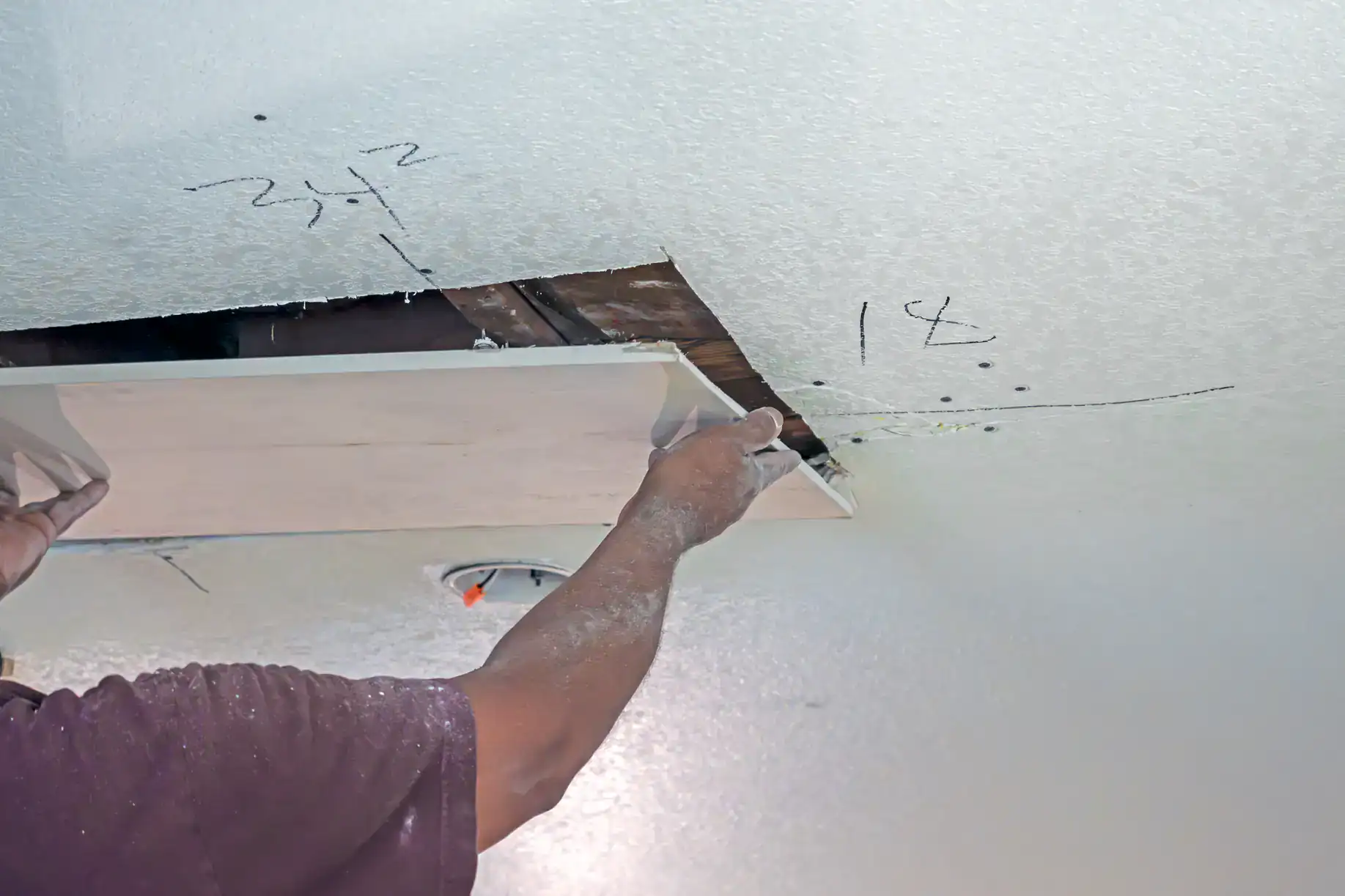
Most residential drywall installation in East Germantown, PA costs between $1,077 and $3,118 depending on the size and complexity of your project. That breaks down to roughly $0.90 to $2.00 per square foot installed and finished.
Smaller repairs or single-room projects tend toward the higher end of that per-square-foot range because setup and finishing work takes the same amount of time regardless of size. Larger projects like whole-home drywall installation or basement finishing usually come in at the lower end per square foot.
What drives the cost up? Ceiling work, because it’s harder and takes longer. Texture matching, because it requires skill and multiple attempts to get right. Water damage repair, because you’re dealing with framing issues and potential mold remediation before new drywall goes up. Custom finishes or curved walls also add time and complexity.
What keeps costs down? Straightforward wall installation in new construction or additions. Standard smooth or basic texture finishes. Easy access without a lot of furniture moving or tight spaces. Larger square footage that allows for efficiency.
You’ll get a detailed estimate before any work starts so you know exactly what you’re paying for. No surprises, no “we’ll figure it out as we go” pricing.
A typical room takes two to four days from start to finish. Hanging the drywall itself only takes a few hours, but finishing work requires multiple coats with drying time between each application.
Here’s the realistic timeline: Day one covers hanging and initial taping. Day two is the first coat of joint compound over seams and fasteners. Day three is sanding and applying the second coat. Day four is final sanding and touch-ups, leaving you with walls ready for primer or paint.
Larger projects like whole-home drywall installation or basement finishing take one to three weeks depending on square footage and the level of finish you need. Smooth walls ready for paint take longer than textured finishes because every imperfection shows through paint.
Weather affects drying time, especially in humid summer months or cold winter conditions. Proper ventilation and temperature control help, but you can’t rush the drying process without creating problems later. Mud that isn’t fully dry will crack or show imperfections once painted.
We’ll give you a specific timeline during the estimate based on your project scope. That timeline accounts for proper drying between coats, not just how fast we can slap mud on walls.
Start with licensing and insurance. Any drywall contractor working in East Germantown, PA should carry at least $1 million in general liability coverage and have current licensing. Ask to see proof before they start work.
Check their references and look at completed projects if possible. Drywall work is easy to evaluate once you know what to look for. Run your hand along finished seams—you shouldn’t feel ridges or dips. Look at corners where walls meet ceilings in different lighting conditions. Imperfections show up clearly when light hits at an angle.
Get detailed, written estimates from multiple drywall installers. The estimate should break down materials, labor, and finishing work separately. Be cautious of quotes that come in significantly lower than others—that usually means shortcuts or surprise charges later.
Ask about their process. How many coats do they apply? What type of joint compound do they use? How do they handle dust and cleanup? Experienced installers can explain their process clearly because they’ve done it hundreds of times.
Timeline matters too. If someone promises to finish a whole-home drywall installation in two days, they’re either rushing or not being honest. Quality finishing work takes time because mud needs to dry properly between coats.
You can hang drywall yourself if you’re comfortable with the physical work and have the right tools. The finishing work is where most DIY projects fall apart. Taping, mudding, and sanding to a smooth finish takes practice and skill that’s hard to develop on your own walls.
Hanging sheets isn’t complicated, but it’s heavy and awkward. Ceiling drywall is especially difficult without help and proper equipment. You’ll need a drywall lift or a strong helper, plus the ability to work overhead for extended periods.
The real challenge is finishing. Getting seams to disappear, corners to look sharp, and the entire surface smooth enough for paint requires technique that comes from repetition. Your first attempt will likely show visible seams, uneven texture, or ridges that become obvious once painted.
We can finish a room in days with results that look seamless. DIY finishing often takes weeks of sanding, applying more mud, and sanding again trying to fix imperfections. Many homeowners end up hiring us to fix DIY finishing work, which costs more than hiring correctly from the start.
If you’re doing a small patch or repair in an area that won’t be scrutinized, DIY might make sense. For visible walls, entire rooms, or anywhere you want a quality finish, hiring experienced installers saves time, frustration, and often money in the long run.
Standard half-inch drywall works for most interior walls in residential applications. It’s cost-effective, easy to work with, and provides adequate sound dampening and fire resistance for typical use. This is what you’ll see in bedrooms, living rooms, and hallways throughout East Germantown homes.
Five-eighths-inch drywall goes on ceilings and in areas where building code requires additional fire resistance, like garage walls that connect to living spaces. The extra thickness provides better sag resistance on ceilings and improved sound control between floors. It costs slightly more and weighs more, which affects installation labor.
Moisture-resistant drywall (often called green board) belongs in bathrooms, laundry rooms, and basements where humidity levels run higher. Regular drywall absorbs moisture and can develop mold or deteriorate in consistently damp conditions. Moisture-resistant varieties have additives that help them withstand humidity without breaking down.
Mold-resistant drywall takes moisture protection further with fiberglass facing instead of paper. This eliminates the paper that mold feeds on. It costs more but makes sense in basements prone to dampness or bathrooms without great ventilation.
Soundproof drywall contains additional mass and dampening materials to reduce noise transmission between rooms. It’s worth considering for home offices, bedrooms, or anywhere you want privacy and quiet. The cost runs higher than standard drywall but less than building double-wall assemblies.
We’ll recommend the right type based on where it’s going and what conditions it’ll face. Using standard drywall in a damp basement or skipping fire-rated drywall where code requires it creates problems you’ll deal with later.
Look at the walls in different lighting conditions, especially with light coming from the side. Properly finished drywall shows no visible seams, ridges, or depressions. Run your hand along seams and corners—the surface should feel smooth and continuous without bumps or valleys.
Check corners where walls meet ceilings and where two walls come together. These should be sharp and straight, not rounded or wavy. Inside corners should have clean lines without excess joint compound built up. Outside corners should be protected with metal or plastic corner bead that’s straight and undamaged.
Fastener heads should be invisible. If you can see dimples or bumps where screws went in, the finishing work wasn’t done properly. Each fastener needs at least two coats of joint compound applied and sanded smooth.
Knock gently on the wall in several places. You should hear a solid, consistent sound. Hollow sounds might indicate the drywall isn’t properly attached to studs. Cracking sounds could mean fasteners are loose or the drywall wasn’t cut to fit properly around framing.
Paint should go on evenly without the texture changing in different areas. If some spots look flat and others look fuzzy or rough, the surface wasn’t sanded consistently. If seams show through paint, they weren’t finished with enough coats or properly feathered out.
Quality drywall installation in East Germantown, PA should be invisible. You shouldn’t notice the work itself, just smooth walls that are ready for whatever comes next. If you’re looking at your walls and seeing the installation, something wasn’t done right.
Other Services we provide in East Germantown