
You’re not dealing with visible seams, lumpy patches, or contractors who disappear halfway through. When drywall patching in Lower Moreland is handled correctly, the repair blends so well you forget where the damage was.
That’s what happens when someone knows how to feather the edges properly and match your existing texture. No guessing, no multiple coats that still look off, no excuses about why it doesn’t match.
You get walls that look clean and whole again. The mess gets cleaned up completely before we leave. And you’re not left wondering if you should’ve just done it yourself, because this actually looks professional.
Sharpe Drywall exists because too many Montgomery County homeowners were dealing with contractors who left messes, missed deadlines, and delivered work that looked worse than the original damage. We’re locally owned, fully licensed and insured, and we live in the communities we serve.
Lower Moreland has some of the most well-maintained homes in the area, with diverse architecture and homeowners who expect quality work. We’ve spent years learning how older Pennsylvania homes are built—the uneven framing, the plaster walls, the non-standard dimensions that make cookie-cutter repairs fail.
When you call, you’re getting someone who treats your home the same way we’d treat our own. That means proper materials, clean installation, and respect for your space and schedule.
First, we assess the damage and give you a fixed price before any work starts. No surprises, no upcharges when we’re halfway done. You know what you’re paying before we touch anything.
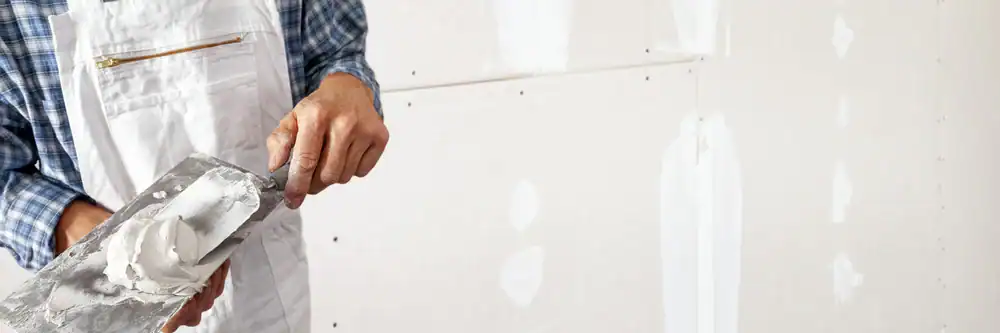
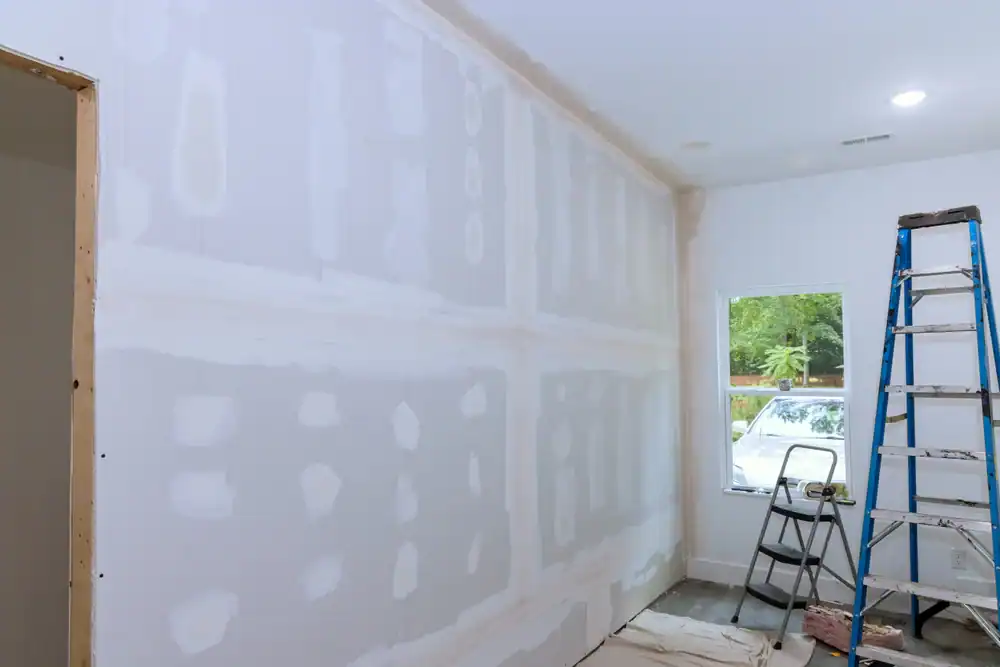
Then we prep the area and cut out any damaged drywall that can’t be saved. We install a patch using premium mold-resistant materials, securing it properly so it won’t crack or sag later. The first coat of joint compound in Lower Moreland goes on to fill gaps and start building a smooth surface.
After the dry time, we apply additional coats, feathering the edges so the repair blends invisibly with your existing wall. We match your texture exactly—whether it’s smooth, orange peel, or something custom. Finally, we prime and paint in Lower Moreland to match your existing color, then clean everything thoroughly before we leave.
Most jobs finish in one visit. You’re not dealing with weeks of disruption or multiple appointments.
Ready to get started?
You’re getting more than someone slapping drywall mud in Lower Moreland on a hole and calling it done. This includes proper damage assessment, complete removal of compromised material, and installation with backing that actually supports the patch.
We use professional-grade joint compound, not the cheap stuff that cracks in six months. Each coat gets proper dry time in Lower Moreland conditions before the next goes on. Rushing this step is why DIY repairs and budget contractors leave you with cracks and visible seams.
The finishing work in Lower Moreland includes texture matching that actually looks right, priming with quality products, and paint that blends with your existing walls. And yes, complete cleanup is standard—no dust, no mud, no debris left behind when we’re done.
Lower Moreland homes often have unique architectural details and older construction methods. We account for that. Your home isn’t a generic suburban build, and the repair approach reflects that reality.
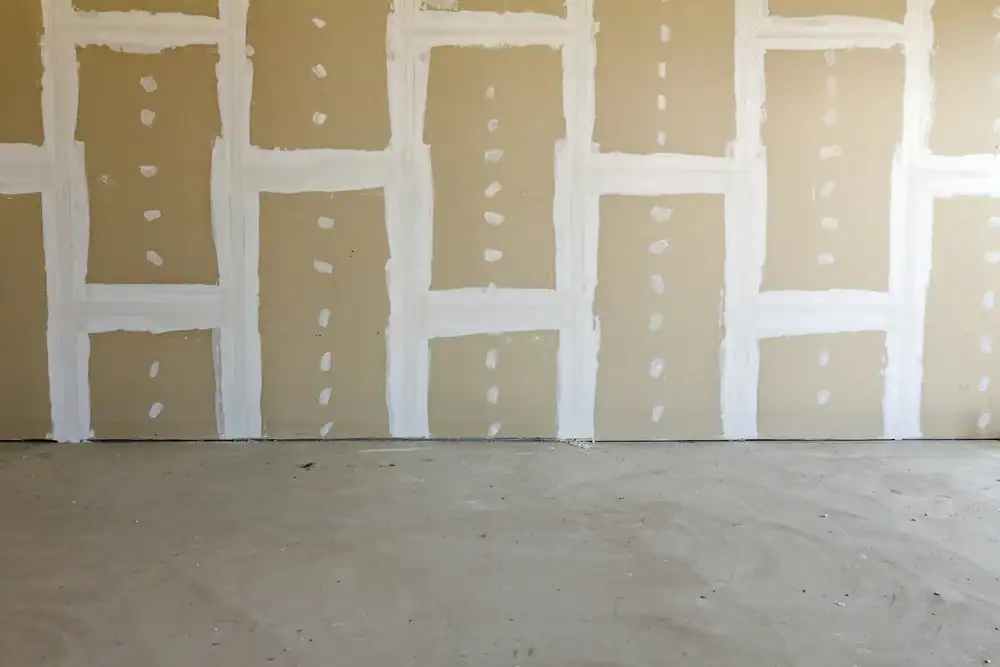
Most drywall patching in Lower Moreland finishes in one day, but the honest answer depends on the size and complexity of the damage. A simple hole from a doorknob or small crack typically takes 4-6 hours from start to finish, including dry time between coats and final cleanup.
Larger repairs or water damage that’s compromised more area might need additional time. If we’re matching a complex texture or dealing with multiple damaged sections, we’ll tell you upfront what the realistic timeline looks like.
The dry time in Lower Moreland matters more than people think. Humidity, temperature, and the type of joint compound all affect how long each coat needs before the next one goes on. Rushing this creates cracks and failures down the line. We’d rather give you an accurate timeline than promise something unrealistic and deliver subpar results.
Yes, and this is where experience actually matters. Lower Moreland homes have everything from smooth plaster to knockdown to orange peel textures, and many older homes have custom textures that aren’t standard anymore.
We bring samples and test the pattern before applying it to your repaired area. The goal is making the patch disappear completely, which means the texture, the finish level, and even the paint sheen all need to match what’s already there.
If your home has a particularly unique texture from decades ago, we’ll take extra time to replicate it correctly. That might mean using different tools or techniques than we’d use on a standard orange peel finish. You’re not getting a “close enough” approach—the repair should blend so well you can’t find it six months later.
Cracks that keep reappearing usually mean the underlying issue wasn’t addressed, just covered up. In Lower Moreland, common causes include foundation settling, temperature fluctuations affecting the framing, or improper installation during the original construction.
If your home is older, the framing might shift slightly with seasonal changes. That’s normal, but it means repairs need to account for that movement. Using the wrong type of joint compound or skipping proper reinforcement with tape or mesh causes cracks to return within months.
We look at why the crack formed in the first place before patching it. Sometimes that means adding blocking behind the drywall for support, or using flexible compounds in areas prone to movement. A patch that doesn’t address the cause is just temporary—you’ll be calling someone again in a year.
Small repairs like nail holes or minor cracks typically run $150-$300. Medium damage like doorknob holes or small sections of water damage usually falls in the $300-$500 range. Larger repairs involving multiple areas or extensive damage can reach $500-$800 or more.
The variables that affect cost include the size of the damaged area, whether there’s water damage or mold that needs addressing, the complexity of your wall texture, and how much prep work is needed. If we’re matching a difficult texture or working around obstacles, that takes more time and skill.
We give you a fixed price before starting, so you’re not guessing what the final bill will be. That quote includes materials, labor, texture matching, priming, painting, and complete cleanup. No surprise fees when we’re halfway done, no upcharges for “unforeseen complications” that should’ve been obvious from the start.
We handle both, but water damage requires more than just patching the visible hole. When drywall gets wet, it often compromises a larger area than what you can see on the surface. The material loses its structural integrity, and if it’s not completely removed, you’re looking at mold growth and future failures.
For water damage in Lower Moreland, we first identify the moisture source and make sure it’s resolved. Patching over an active leak is pointless. Then we remove all compromised drywall, check the framing and insulation behind it, and treat any areas showing early mold development.
The replacement uses mold-resistant drywall, especially in areas prone to moisture like bathrooms, kitchens, or exterior walls. We’re not just fixing what you can see—we’re making sure the repair actually lasts and doesn’t create bigger problems six months down the road when mold starts growing behind your walls.
The most common issue is not feathering the edges properly. When you apply joint compound, it needs to gradually thin out as it extends beyond the patch. Most DIY attempts leave a ridge where the compound stops, which catches light and looks obvious even after painting.
The other issue is not using enough coats or not letting each coat dry completely. Drywall mud in Lower Moreland needs adequate dry time between applications, and most repairs need at least three coats to achieve a smooth, invisible finish. Trying to build it all up in one thick coat creates cracks and an uneven surface.
Texture matching is the final hurdle. Even if the patch is smooth, if the texture doesn’t match your existing wall, it’ll stand out. This requires the right tools and technique for your specific texture type. A knockdown texture uses different tools and methods than an orange peel or skip trowel finish. Getting this wrong is why most DIY patches look obviously different from the surrounding wall.
Other Services we provide in Lower Moreland