The difference between a good patch and a bad one shows up the second the light hits it. You’ll see ridges, texture mismatches, or paint that doesn’t blend. That’s what happens when someone rushes the dry time between coats or doesn’t know how to match the existing finish.
When we patch drywall in Levittown, PA, the repair blends completely. We match your texture—whether it’s knockdown, orange peel, or smooth—and we don’t move to the next step until each coat is fully cured. That means using the right joint compound, applying thin layers, and giving everything time to set properly.
You’re not looking at the patch six months later wondering why it’s cracking or why the paint looks different. The work holds up because we do it right the first time, and your walls look exactly how they should—like nothing ever happened.
Most homes in Levittown, PA were built between the 1940s and 1960s. That means original plaster, settling foundations, and drywall that’s been patched before—sometimes poorly. We’ve worked in enough of these homes to know what we’re dealing with before we even open the toolbox.
Sharpe Drywall has spent years serving homeowners across Bucks County and the surrounding areas. We’re not a franchise operation or a crew that shows up once and disappears. We’re local, licensed, and we understand what it takes to repair older walls without creating new problems.
You’re hiring people who’ve seen every type of damage these homes can throw at us—and who know how to fix it so it lasts.
We start with a free consultation to assess the damage and give you an accurate estimate. No surprises, no upselling. If it’s a small hole, we’ll tell you. If there’s water damage that needs more attention, we’ll explain why.
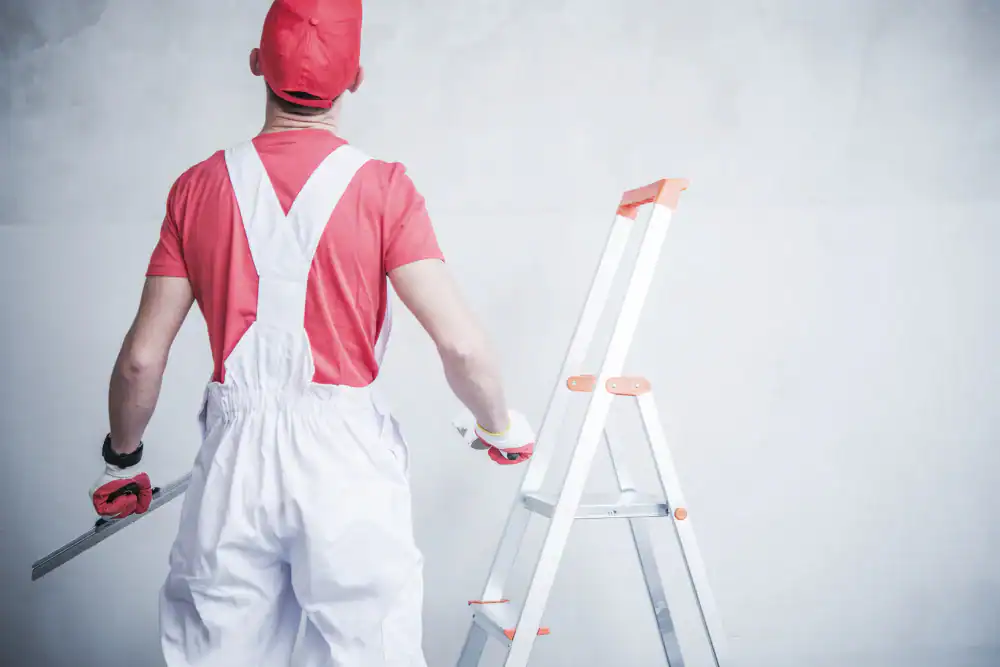
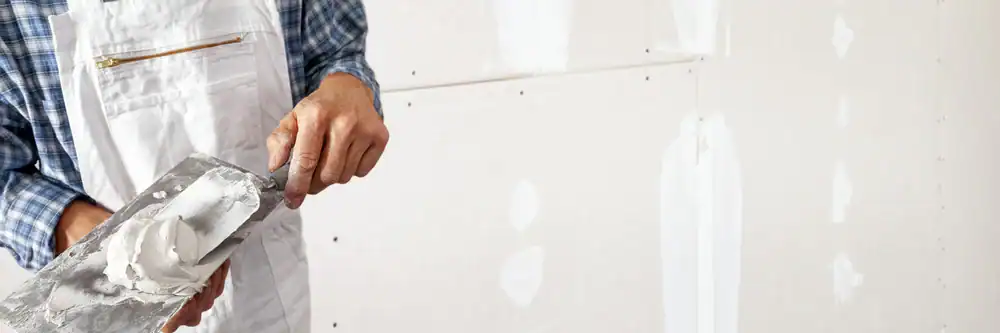
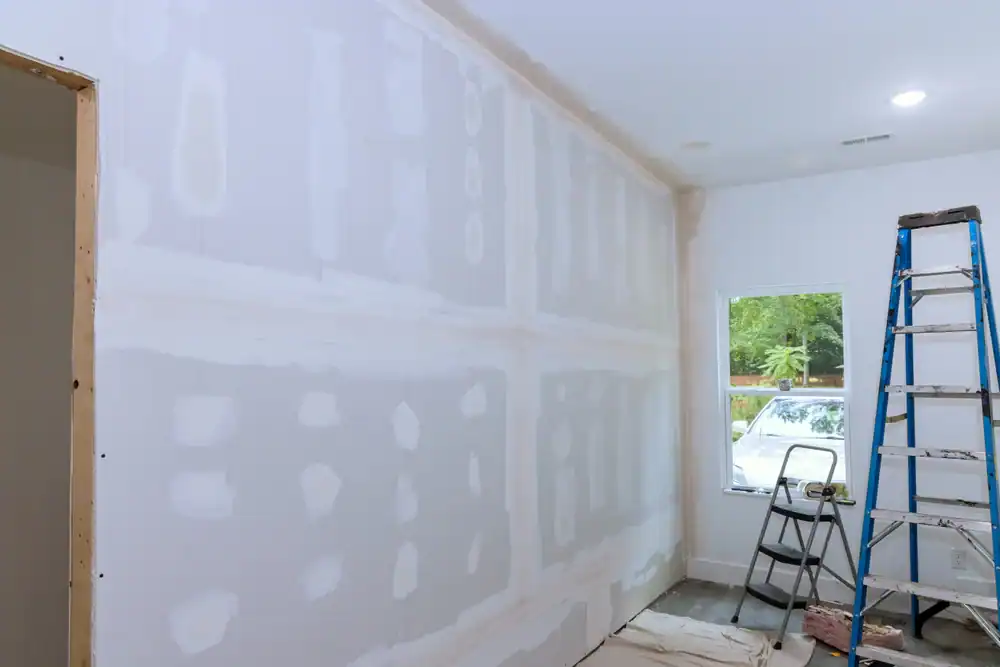
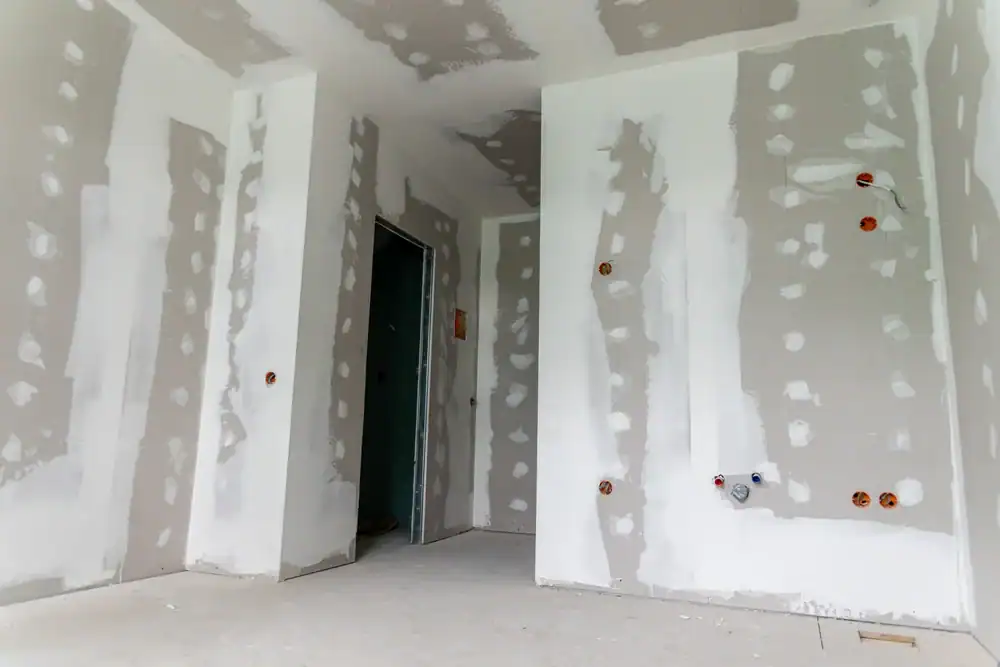
Once we’re on-site, we prep the area to keep dust and debris contained. Then we cut out any damaged drywall, secure backing if needed, and apply the first coat of drywall mud. Each layer gets feathered at the edges so there’s no visible line between the patch and your existing wall.
After the joint compound dries completely, we sand it smooth and check the surface under different lighting. If the texture needs matching, we replicate it before priming. Then we prime and paint to match your existing color. The goal is simple: when we’re done, you shouldn’t be able to tell where the repair was.
Ready to get started?
Every repair includes damage assessment, material prep, and complete finishing work. We don’t just slap drywall mud over a hole and call it done. You’re getting proper backing installation, multiple coats with full dry time between each one, and sanding that creates a smooth, even surface.
Texture matching is part of the process, not an add-on. Whether your walls have a specific finish or they’re smooth, we replicate it so the patch blends in. We also handle the priming and painting, which matters more than most people realize. Paint sits differently on fresh joint compound than it does on aged drywall, so we prep the surface correctly to avoid sheen differences.
For homes in Levittown, PA, we’re also watching for signs of bigger issues—like moisture problems or structural movement that caused the damage in the first place. If we see something that needs attention, we’ll let you know before it turns into a larger repair. You’re getting honest feedback from people who’ve worked in these homes long enough to spot trouble early.
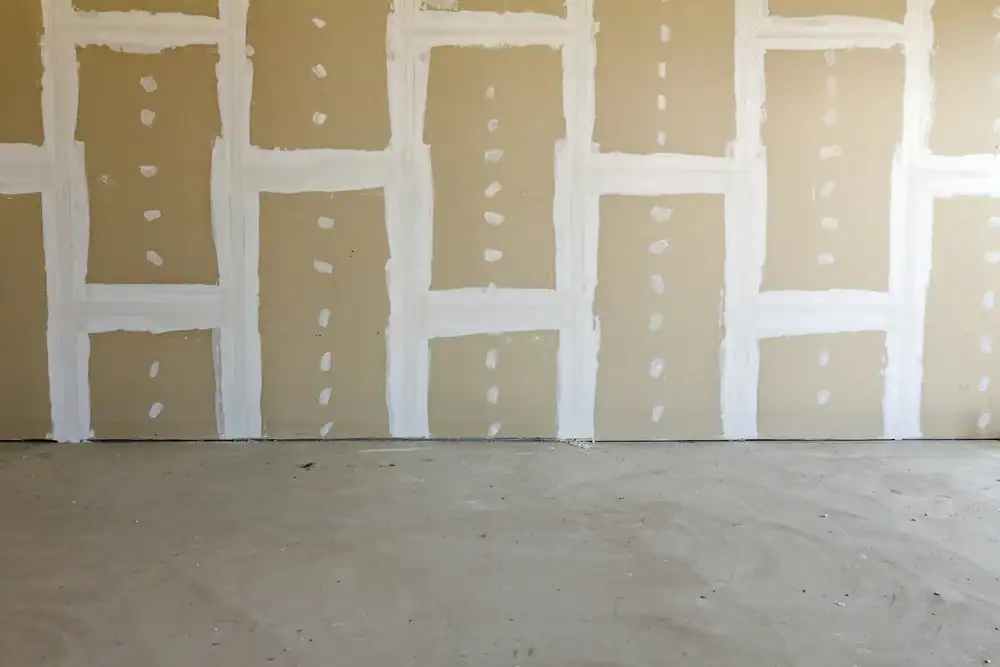
Most small to medium patches take one to two days, but that depends entirely on how many coats are needed and how long each one takes to dry. Rushing the dry time is one of the biggest mistakes people make, and it’s why you see cracks or uneven surfaces later.
We apply thin layers of joint compound and let each coat cure completely before adding the next one. For a standard repair, that usually means a first coat, a second coat after it’s dry, light sanding, and then a final skim coat if needed. Humid weather or thicker applications can add time, but we’d rather wait an extra few hours than hand you a repair that fails in six months.
If you need something done faster, we’ll tell you what’s realistic. But we won’t cut corners just to finish early, because that’s not a repair that lasts.
Yes, we match textures—it’s one of the most important parts of making a patch invisible. Whether your walls have knockdown, orange peel, skip trowel, or a smooth finish, we replicate it so the repair blends in completely.
Texture matching takes experience. You need to know what tools were used originally, how the pattern was applied, and how to adjust your technique based on the age of the wall. Older textures in Levittown, PA homes can be tricky because the original finish has settled and aged over decades, so we’re not just copying a pattern—we’re matching how it looks now.
After we apply the texture, we let it dry and check it under different lighting conditions. If it doesn’t match perfectly, we adjust it before moving to the priming stage. You shouldn’t have to squint or angle your head to figure out where the patch is. If the texture’s right, the repair disappears.
Most damage in homes built during the 1940s through 1960s comes from settling, moisture, or previous repairs that weren’t done correctly. Foundations shift over time, and that movement creates stress on the drywall, especially around doorways, corners, and ceilings.
Moisture is another common issue. Levittown, PA gets a fair amount of rain and snow, and older homes weren’t always built with the same moisture barriers we use today. Leaks from roofs, windows, or plumbing can saturate drywall and cause it to crumble or develop mold. If we’re patching water damage, we make sure the source is fixed first—otherwise, you’re just patching the same spot again in a few months.
Then there are the DIY repairs or quick fixes from previous owners. If someone didn’t use the right drywall mud, skipped steps, or didn’t let coats dry, those patches fail. We see it all the time, and it usually means cutting out the bad work and starting over.
Yes. Small nail holes, doorknob dents, and large sections of damaged drywall all get handled the same way—with the right process for the size of the repair. A tiny hole might only need spackle and paint, while a fist-sized hole requires cutting out the damaged area, installing backing, and applying multiple coats of joint compound.
For larger repairs—like sections damaged by water or impact—we remove all the compromised drywall, check the studs and insulation behind it, and install a new piece that’s cut to fit precisely. Then we tape the seams, apply joint compound in layers, and finish it so the new section blends with the surrounding wall.
The size of the damage doesn’t change our standards. Whether it’s a small patch or half a wall, the finishing work is the same: smooth surface, matched texture, proper priming, and paint that blends. You’re getting a complete repair no matter how big or small the job is.
Small repairs typically run between $150 and $400, depending on the size of the damage, how many coats are needed, and whether paint matching is involved. Larger repairs or jobs that involve water damage, multiple holes, or significant prep work will cost more, but we give you an accurate estimate up front so there are no surprises.
Price varies based on what’s actually required to do the job right. If we need to cut out a large section, install new drywall, and replicate a complex texture, that takes more time and materials than filling a nail hole. We’re not the cheapest option, and that’s intentional—you’re paying for quality materials, proper technique, and a repair that doesn’t need to be redone.
We offer free consultations, so you’ll know exactly what the job involves and what it costs before we start. If something changes once we open up the wall, we’ll talk to you about it before moving forward. You’re never locked into work you didn’t agree to.
We contain dust and debris as much as possible, but drywall work does create some mess—especially during sanding. The difference is in how we manage it. We use drop cloths, seal off the work area when needed, and clean up completely before we leave.
Sanding joint compound is where most of the dust comes from, and we handle that carefully. For smaller jobs, we use hand sanding techniques and vacuum as we go. For larger repairs, we use dust-control methods to keep particles from spreading throughout your home. If you have furniture or belongings nearby, we’ll cover them or ask you to move them before we start.
At the end of the job, we don’t just pack up our tools and leave. We vacuum the area, wipe down surfaces, and remove all debris. You’re left with a clean repair and a clean space—not drywall dust coating everything in the room.
Other Services we provide in Levittown