That hole from moving furniture. The crack that showed up last winter. The water stain you’ve been staring at for months. They’re fixable, and when done correctly, they disappear completely.
Most drywall patching in Doylestown, PA fails because someone rushed the dry time between coats or didn’t feather the edges properly. You’re left with a bump you can see in certain light, or a texture that doesn’t quite match. That’s not a repair—that’s a band-aid.
When the work is done right, you shouldn’t be able to find where the damage was. The surface is smooth. The texture blends. The paint matches. You stop thinking about it, which is exactly the point.
We work throughout Montgomery and Bucks County, and we’ve seen what happens when drywall patching gets rushed or done by someone who doesn’t understand the process. Homes built in the 1960s and 70s—which make up a large portion of Doylestown—have different drywall compositions than newer construction. That matters when you’re matching texture and choosing joint compound.
We’re fully licensed and insured. We use premium drywall mud designed for durability and moisture resistance. And we don’t leave until the repair is clean, primed, and ready for paint—or we handle the painting too if that’s easier for you.
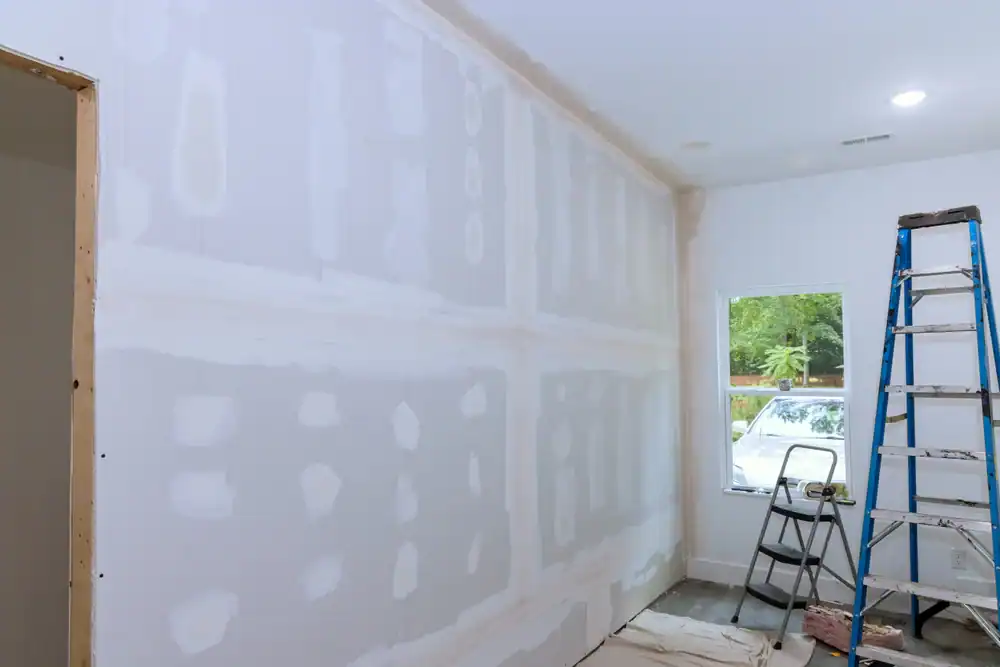
First, we assess the damage. Not every hole needs the same approach, and we’re not going to overbuild a repair that doesn’t need it. Small holes get filled and sanded. Larger damage might need a backer board or a full patch cut to size.
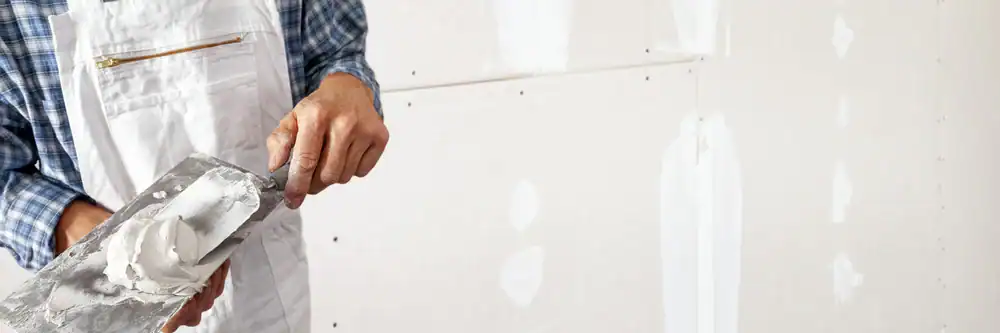
Once the patch is secure, we apply the first coat of joint compound, making sure to feather the edges so the repair blends into the existing wall. This is where most DIY jobs fall apart—people don’t extend the mud far enough, and you end up with a visible ridge. Each coat needs proper dry time. Rushing this step guarantees a bad result.
After the final coat dries, we sand it smooth and clean up the dust. Then we prime the patched area so it takes paint evenly. If you want us to finish with paint, we match your existing color and handle that too. Most jobs in Doylestown, PA are done within hours, and you’re left with a wall that looks untouched.
Ready to get started?
You get a full damage assessment before we start. We explain what’s needed and why, so there’s no confusion about the scope or cost. We bring our own materials—premium joint compound, moisture-resistant drywall, and the right tools for clean finishing work.
In Doylestown, PA, where the median home was built in 1962, we often work with older plaster-and-lath walls or early drywall installations. These require different techniques than modern half-inch drywall. We adjust our approach based on what’s actually in your walls, not what we assume is there.
After patching, we prime and paint if you want a complete finish. That eliminates the need to coordinate with another contractor or try to match paint yourself. We also handle cleanup—drywall dust gets everywhere if you’re not careful, and we make sure it doesn’t end up coating your furniture or floors.
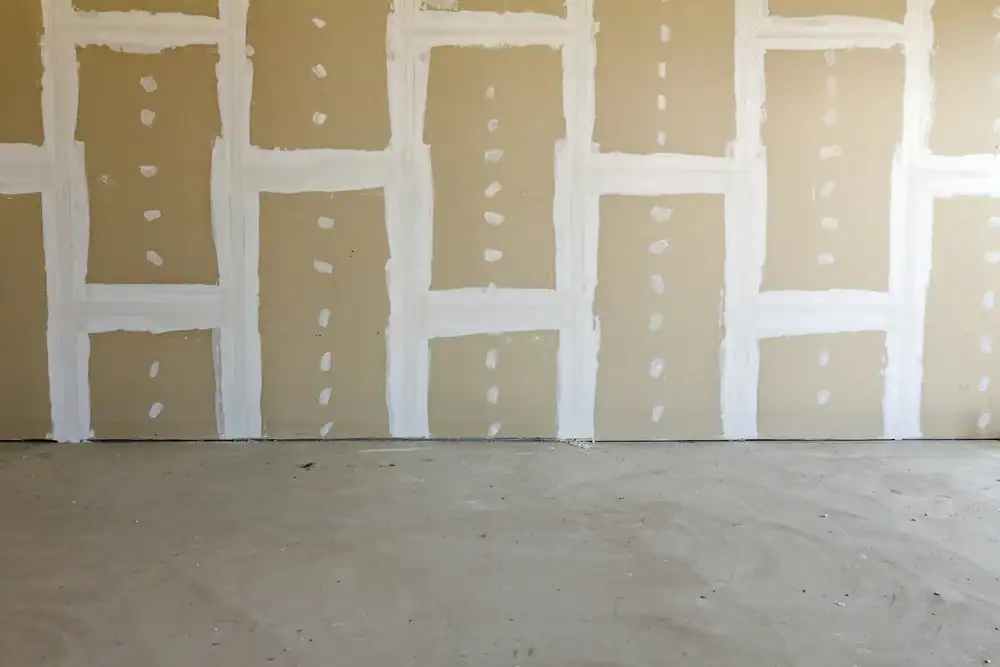
Dry time depends on humidity, temperature, and how thick the joint compound was applied. In Doylestown, PA, where humidity fluctuates with the seasons, a standard coat of drywall mud usually takes 12 to 24 hours to dry completely.
If it’s winter and your heat is running, it might dry faster. If it’s a humid summer day, it could take longer. Rushing this is one of the biggest mistakes people make—sanding or applying another coat before the first one is fully dry leads to cracking, peeling, or a repair that fails within weeks.
We don’t guess. We check the surface before moving to the next step, and we plan the job timeline around proper dry time so the repair actually holds.
Yes, but it takes experience. Matching texture isn’t about slapping on some joint compound and hoping it blends. Different homes in Doylestown, PA have different finishes—knockdown, orange peel, skip trowel, or smooth. Each one requires a specific technique.
We assess your existing texture before starting the repair. If it’s a knockdown finish, we apply the mud, let it set slightly, then knock it down with a trowel at the right time. If it’s orange peel, we use a spray texture and adjust the pressure to match the pattern. Smooth walls are the hardest—they show every imperfection, so the sanding and feathering have to be perfect.
Most contractors skip this step or do it poorly. We don’t. If the texture doesn’t match, the repair is obvious, and that defeats the purpose.
Cracks come back when the underlying issue wasn’t addressed. In Doylestown, PA, where many homes are 40+ years old, foundation settling is common. If your house is still shifting, a simple patch won’t hold—the movement will crack it again.
Water damage is another cause. If there’s a leak behind the wall and it wasn’t fixed, the drywall will stay damp, the joint compound won’t adhere properly, and the crack reappears. We check for moisture and structural issues before we patch anything. If there’s a bigger problem, we tell you.
Sometimes it’s just poor technique—using the wrong type of mud, not embedding mesh tape correctly, or applying coats too thick. We use fiberglass mesh tape for crack repairs and apply thin, even layers of joint compound. That flexibility and proper adhesion keep the repair intact.
Not always, but it depends on your paint and how well the repair blends. If your walls were painted recently and we can match the color, we can often just prime and paint the patched area without repainting the whole wall.
Older paint is trickier. Paint fades over time, especially in rooms with a lot of sunlight. Even if we match the original color, the new paint might look slightly different next to the aged paint. In those cases, repainting the full wall gives you a uniform finish.
We prime every repair before painting. Drywall mud is porous and absorbs paint differently than the surrounding wall. Without primer, you’ll see a dull spot where the patch is, even if the color matches. We handle this step automatically because skipping it ruins the finish.
Small repairs—nail holes, minor cracks, small dents—usually run between $100 and $200. Larger holes that need a cut-in patch, backer board, and multiple coats of joint compound typically cost $200 to $400 depending on size and complexity.
Water damage repairs cost more because they often involve replacing sections of drywall, checking for mold, and addressing the moisture source. Those jobs can range from $300 to $800 or more depending on how much material needs replacing.
We give you a clear estimate after assessing the damage. No surprises, no upselling. You’ll know what the job costs before we start, and that price includes materials, labor, and cleanup. If you want us to prime and paint after patching, we quote that separately so you can decide what makes sense for your budget.
Yes, but only after the leak is fixed and the area is completely dry. Patching over damp drywall doesn’t work—the moisture prevents the joint compound from bonding, and you’ll end up with mold growth behind the repair.
We assess the extent of water damage before starting. Sometimes the drywall just needs to dry out and can be patched. Other times, the paper facing is compromised or the gypsum core is crumbling, and that section needs to be cut out and replaced.
In Doylestown, PA, where older homes sometimes have outdated plumbing or roof leaks, we see this often. We check surrounding areas for hidden moisture using a moisture meter, cut out any damaged material, and replace it with new drywall. Then we tape, mud, sand, and finish it so it blends with the rest of the wall. If there’s mold, we address that first—patching over mold just traps the problem.
Other Services we provide in Doylestown