
You’re not looking at walls that show seams through the paint six months later. You’re not dealing with corners that crack every winter or ceilings that need touch-ups after every humid summer.
When drywall finishing in Abington is handled properly from the start, your walls look clean now and stay that way. The seams disappear under paint. The corners stay crisp. The surface stays smooth even when your home settles or the seasons change.
Most homeowners in Abington don’t realize how much bad finishing work costs them until years later. Repainting every few years because seams keep showing through. Patching cracks that shouldn’t exist. Watching a renovation that should’ve added value turn into an eyesore that makes buyers hesitate.
Good sheetrock finishing means you paint once and move on. It means your investment in renovations actually pays off when it’s time to sell in Abington’s competitive market. It means not wondering if you should’ve hired someone else.
We exist because too many homeowners across Montgomery County were dealing with contractors who left messes, missed deadlines, and delivered work that fell apart. We decided to do things differently.
We’re local to the area. We finish jobs in Abington the same way we’d finish our own homes—proper materials, clean installation, complete cleanup. No shortcuts that save us time but cost you money later.
Abington’s housing stock is mostly from the 1940s through 1960s, which means renovations here need to be done right. Older homes settle differently. They have quirks. Rushing through sheetrock installation or finishing work in these homes creates problems that show up fast. We’ve seen it enough times to know better.
First, we look at what you’re working with. New construction, renovation, repair—it all gets handled differently. We’ll tell you upfront what needs to happen and what it’ll cost. No surprises later.
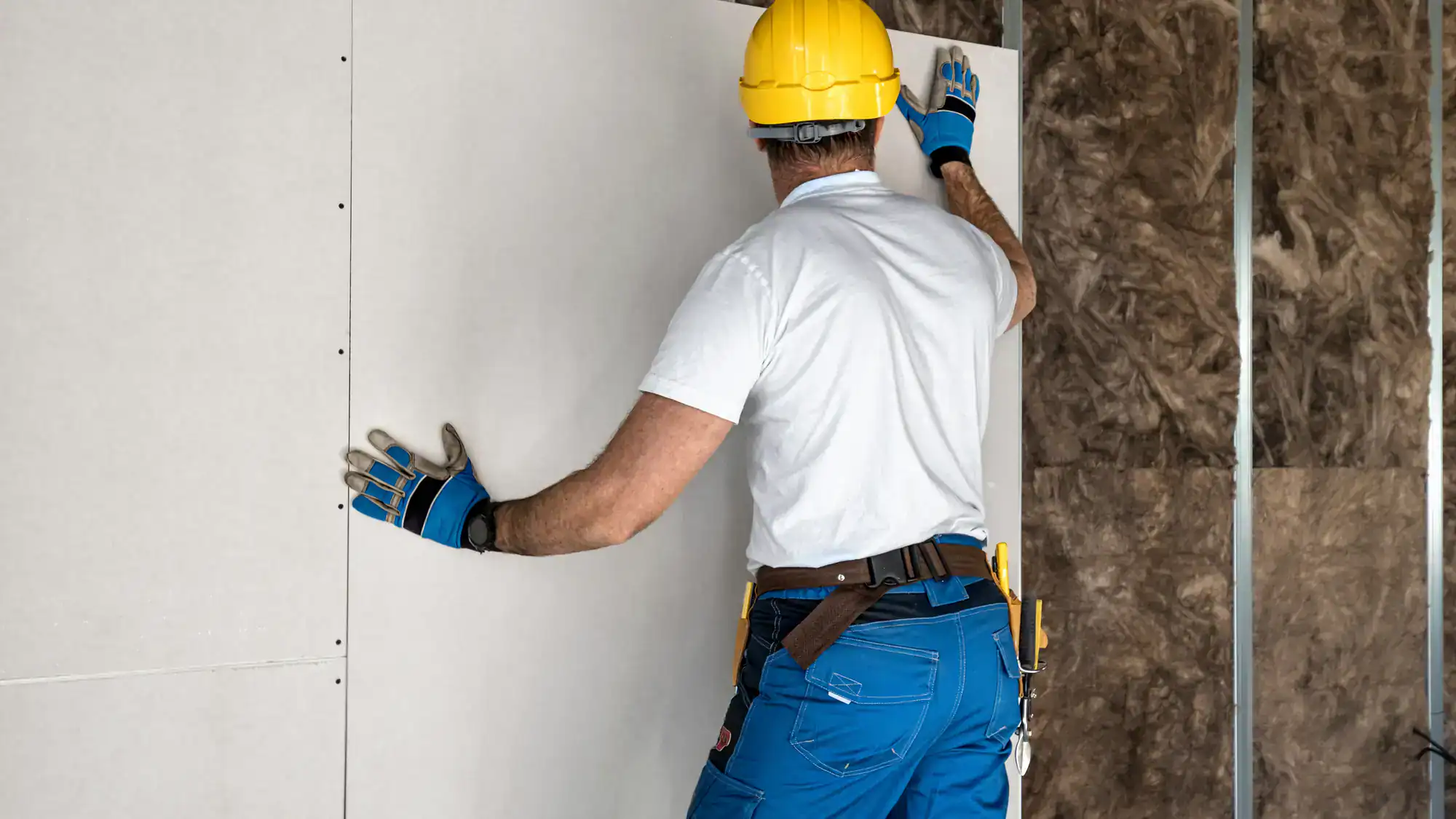
Once we start, the sheetrock installation goes up clean. Properly spaced fasteners. Correct spacing from floors and ceilings. Joints that land where they should. This part matters more than most contractors admit—bad hanging makes good finishing impossible.
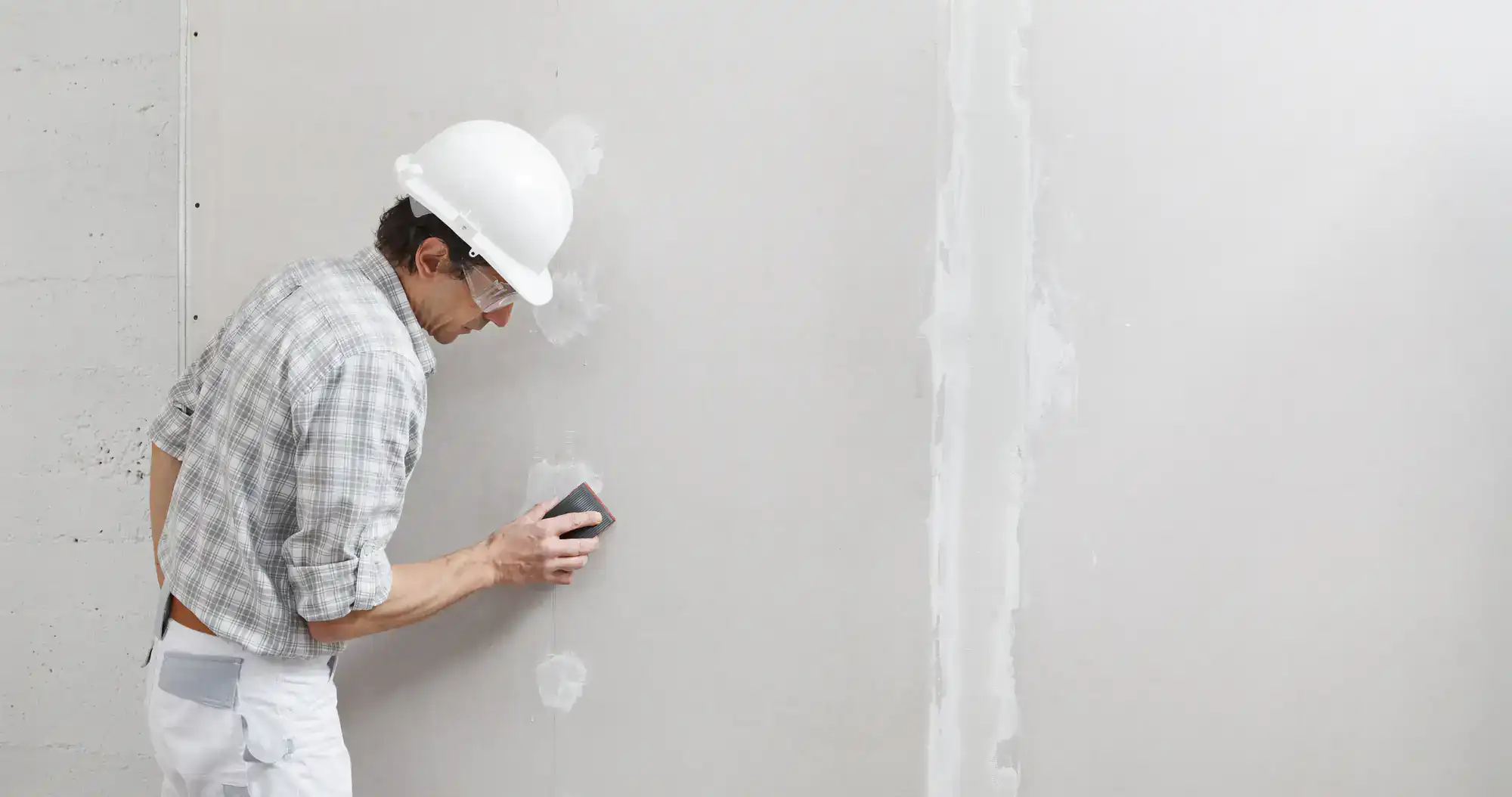
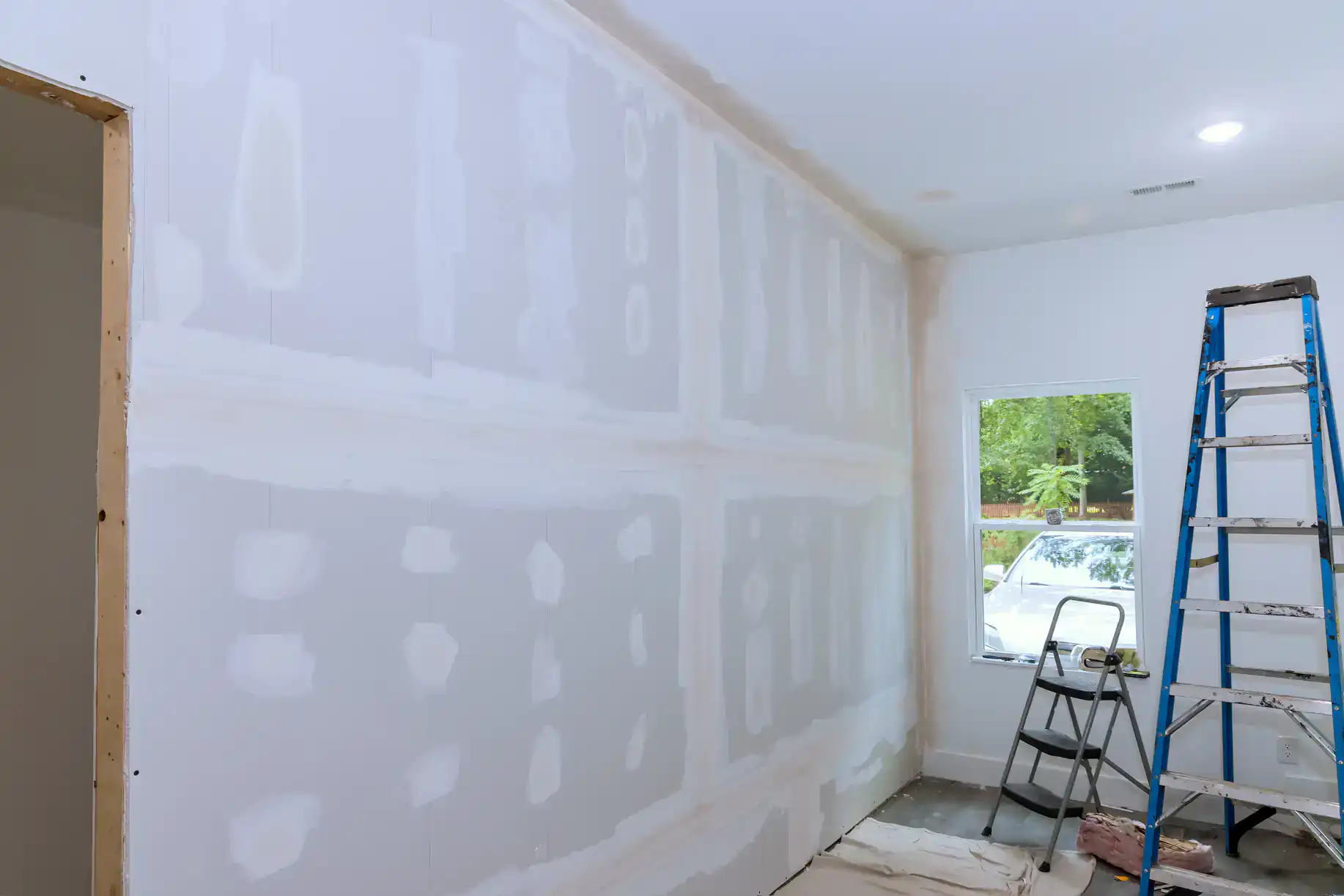
Then comes the finishing work. Multiple coats of joint compound, each one sanded smooth before the next goes on. We’re not rushing to get to the next job. Corners get reinforced. Seams get feathered out so they disappear under paint. The surface gets checked under raking light to catch imperfections before you do.
Most drywall finishing projects in Abington get done in one visit for repairs, a few days for full rooms. We clean up completely when we’re done—no dust on your furniture, no mud on your floors. You’re left with walls that are ready for paint and nothing else to worry about.
Ready to get started?
You’re getting the full finishing process—taping, mudding, sanding, and final smoothing. We handle sheetrock repair for damaged sections, full sheetrock installation for additions or renovations, and finishing work that makes everything look seamless.
The labor cost to hang and finish drywall in Abington typically runs $2.00 to $3.50 per square foot depending on the job complexity, ceiling height, and finish level you need. We’ll give you an exact number based on your specific project—no vague estimates that change later.
Abington’s housing market is competitive right now. Homes are selling fast, often above asking price. That means your renovation work needs to look professional if you’re planning to sell, and it needs to last if you’re staying put. Sloppy finishing work hurts both scenarios.
The cost to finish drywall properly is less than the cost of fixing it twice. We’ve seen homeowners spend $6,200 repairing work that should’ve lasted decades. That’s money that could’ve gone toward the next project instead of redoing the last one.
Complete cleanup is included. So is our license and insurance. You’re not taking on risk by hiring us, and you’re not spending your weekend vacuuming drywall dust out of vents.
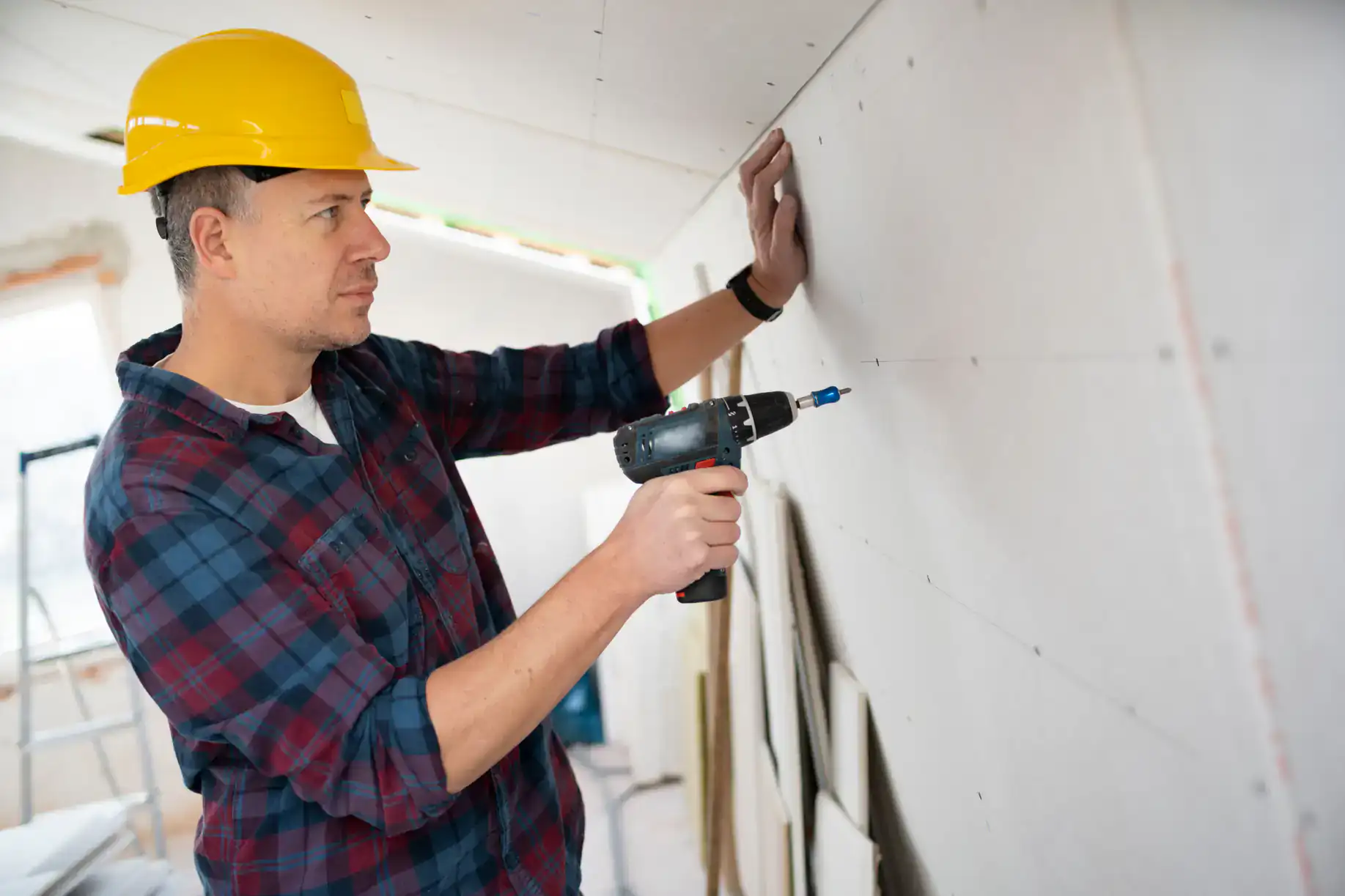
Most repairs finish in one visit—usually four to six hours depending on the size and number of damaged areas. You’re looking at patching, mudding, sanding, and a final coat that’s ready for paint once it dries.
Full room finishing takes longer. A standard bedroom might need two to three days from hanging to final sanding. Larger spaces or rooms with vaulted ceilings add time. Each coat of joint compound needs to dry completely before the next one goes on, and rushing that process shows in the final result.
If you’re working with an older Abington home—and most here date back to the 1940s through 1960s—there’s sometimes prep work involved. Uneven framing, settling issues, or outdated materials can add a day to the timeline. We’ll know after looking at the space and let you know upfront what to expect.
Finish levels range from 0 to 5, and most Abington homeowners need either Level 4 or Level 5 depending on the room and lighting. Level 4 is standard for walls that’ll get flat or eggshell paint—seams are smooth, surfaces are ready, and it looks clean under normal light.
Level 5 adds a skim coat over the entire surface. You need this for high-gloss paint, rooms with harsh lighting, or anywhere critical eyes will notice imperfections. It’s more labor-intensive and costs more, but it’s the difference between “good enough” and “flawless” when light hits the walls at an angle.
Most living rooms, bedrooms, and hallways do fine with Level 4. Bathrooms with bright vanity lighting, kitchens with large windows, or any space getting glossy paint should get Level 5. We’ll recommend what makes sense for your specific rooms and the finish you’re planning. Going cheaper on the finish level and then regretting it after paint goes up is a common mistake that costs more to fix than doing it right initially.
Labor cost to hang and finish drywall in Abington typically runs between $2.00 and $3.50 per square foot. A standard 12×12 bedroom with 8-foot ceilings comes out to around $336 to $588 for labor. Larger rooms, higher ceilings, or Level 5 finishes push toward the higher end.
Repairs cost differently—usually by the patch rather than square footage. Small holes might run $150 to $300 depending on how many there are and whether surrounding areas need blending. Larger damage from water leaks or structural issues costs more because there’s often framing work involved before new sheetrock goes up.
Material costs are separate but predictable. Drywall sheets, joint compound, tape, corner bead, and fasteners add roughly $0.50 to $1.00 per square foot depending on what’s needed. We include all of that in your quote upfront so you’re not guessing what the final number will be. The quote we give you is the price you pay—no surprise fees when the job’s done.
Yes, but it depends on the texture type and how much of the wall needs work. Knockdown, orange peel, and skip trowel textures are all matchable if we’re patching a section. We’ll blend the edges so the repair disappears into the surrounding area.
Popcorn ceilings are trickier. If your Abington home still has original popcorn texture from the 1950s or 1960s, there’s a chance it contains asbestos. We don’t remove or disturb popcorn texture without testing it first. If it tests positive, you’ll need an asbestos abatement company before any drywall work happens. If it’s clean, we can match it or remove it depending on what you want.
Smooth wall repairs in textured rooms sometimes mean redoing the whole wall to make everything match perfectly. Trying to blend a smooth patch into heavy texture rarely looks right. We’ll walk you through options when we see the space—sometimes it makes more sense to skim coat and repaint the entire wall rather than leave a visible repair that bothers you every time you look at it.
We handle both, but the approach is different depending on what caused the damage. Water damage means finding the source first—roof leak, plumbing issue, condensation problem. Replacing drywall without fixing what caused the damage just means you’re replacing it again in six months.
Once the source is handled, we remove damaged sections, check framing for mold or rot, and install new sheetrock. Water-damaged drywall doesn’t dry out and go back to normal—it stays weak, grows mold, and eventually crumbles. Cutting it out and replacing it is the only real fix.
Settling cracks are common in Abington’s older homes. Most are cosmetic and just need filling and refinishing. But cracks that keep coming back or grow larger point to structural movement that needs attention. We’ll tell you if a crack looks like a foundation issue rather than normal settling. Filling a crack that’s going to reopen wastes your money and our time—better to know upfront if there’s a bigger problem underneath.
Usually it’s because corners were cut during installation or finishing. Fasteners spaced too far apart let sheets move when the house settles. Joints that aren’t taped properly separate over time. Compound that’s applied too thick or not sanded enough shows through paint once it’s on the wall.
Temperature and humidity matter too. Rushing through coats before they’re fully dry traps moisture in the compound. It looks fine initially, but then cracks or bubbles as it finally dries weeks later. Abington’s humidity swings between summer and winter make this worse if the work isn’t done right.
The other common issue is using the wrong materials for the job. Regular drywall in bathrooms or basements soaks up moisture and falls apart. Skipping primer before paint lets the finish coat get absorbed unevenly, which makes seams visible even when the finishing work was clean. We use moisture-resistant materials where they’re needed and make sure surfaces are prepped correctly before you paint. Doing it right the first time means you’re not calling someone back to fix it six months later.
Other Services we provide in Abington