
When drywall is installed correctly, you don’t think about it. The seams disappear. The corners stay crisp. Your paint goes on smooth and stays that way.
You’re not calling someone back in a year to fix cracks around doorways or nail pops down the hallway. You’re not dealing with moisture issues that could’ve been prevented with the right materials and technique from the start.
Proper drywall installation in Holland, PA means using moisture-resistant materials that handle Pennsylvania’s humidity and temperature swings. It means knowing how to tape and finish so seams stay invisible. It means your walls are ready for whatever finish you want—whether that’s paint, texture, or something more custom.
The difference shows up in how your home looks now and how it holds up five years from now. That’s what you’re actually paying for.
We work throughout Montgomery and Bucks County, including Holland, PA. We’re licensed, insured, and we’ve seen what happens when drywall isn’t installed right the first time.
A lot of homes in this area are older. That means settling, moisture from basements, and walls that weren’t built to today’s standards. We know what to look for before we hang the first sheet.
We’re not the cheapest option, and that’s intentional. You’re hiring people who use premium materials, who won’t rush the taping process, and who understand that drywall installation is the foundation for everything else you’re planning to do with that space.
First, we look at the space. We’re checking for moisture issues, structural concerns, and whether the framing is solid enough to support new drywall. If something needs attention before we start, you’ll know.
Then we measure, order materials, and schedule the work. We use drywall that’s appropriate for the room—moisture-resistant board for bathrooms and basements, standard for living areas. We hang the sheets, stagger the seams properly, and make sure everything is secured correctly.
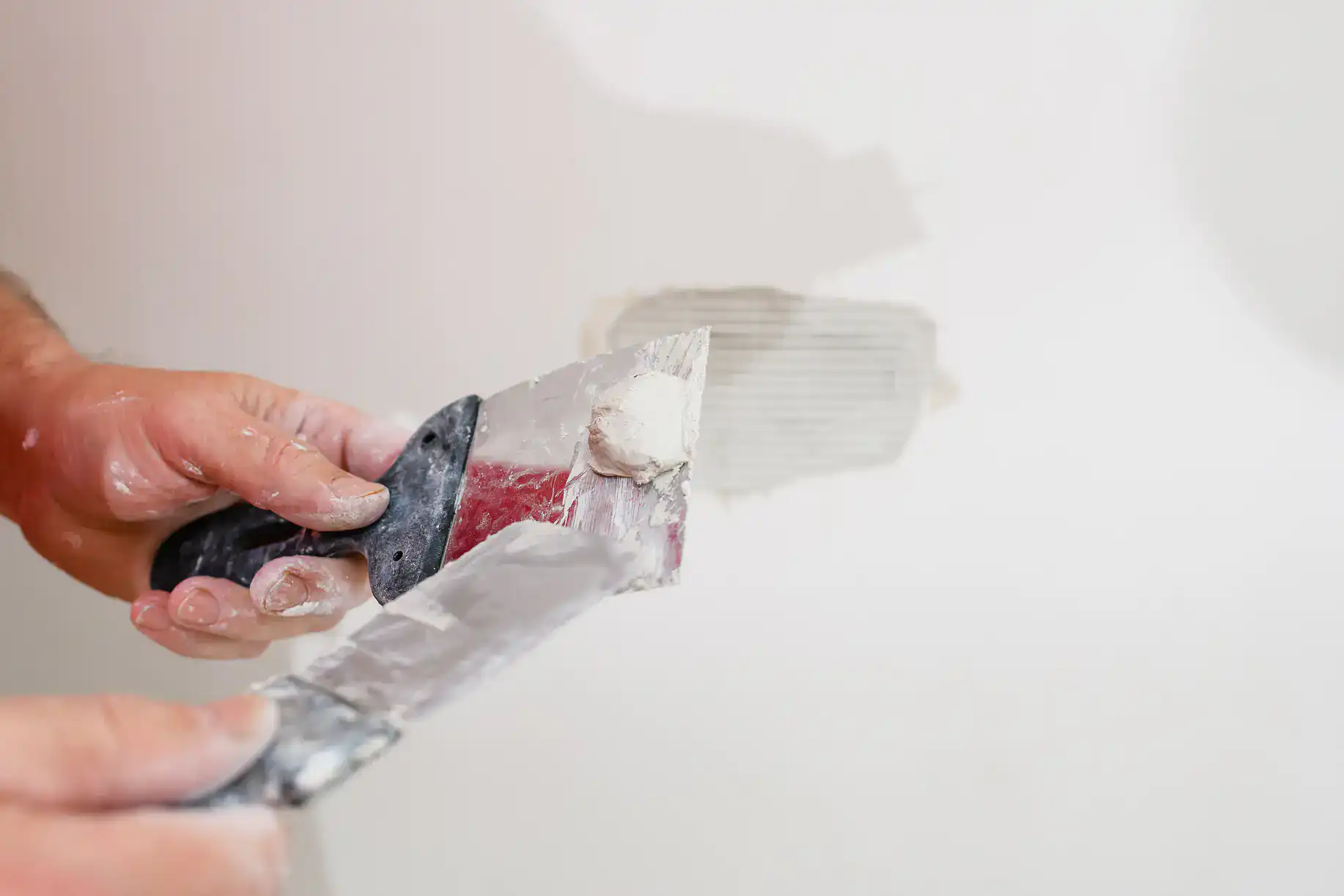
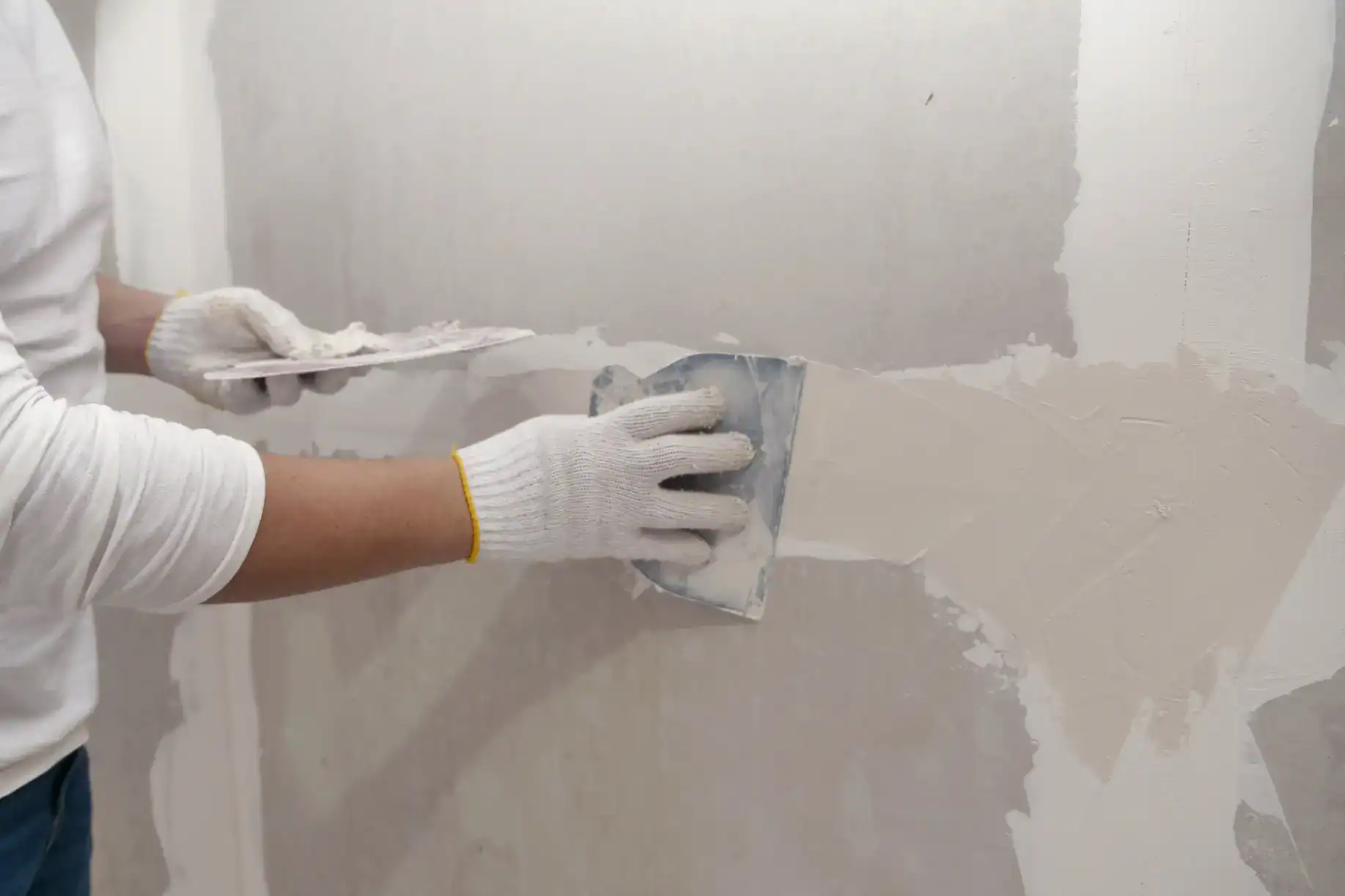
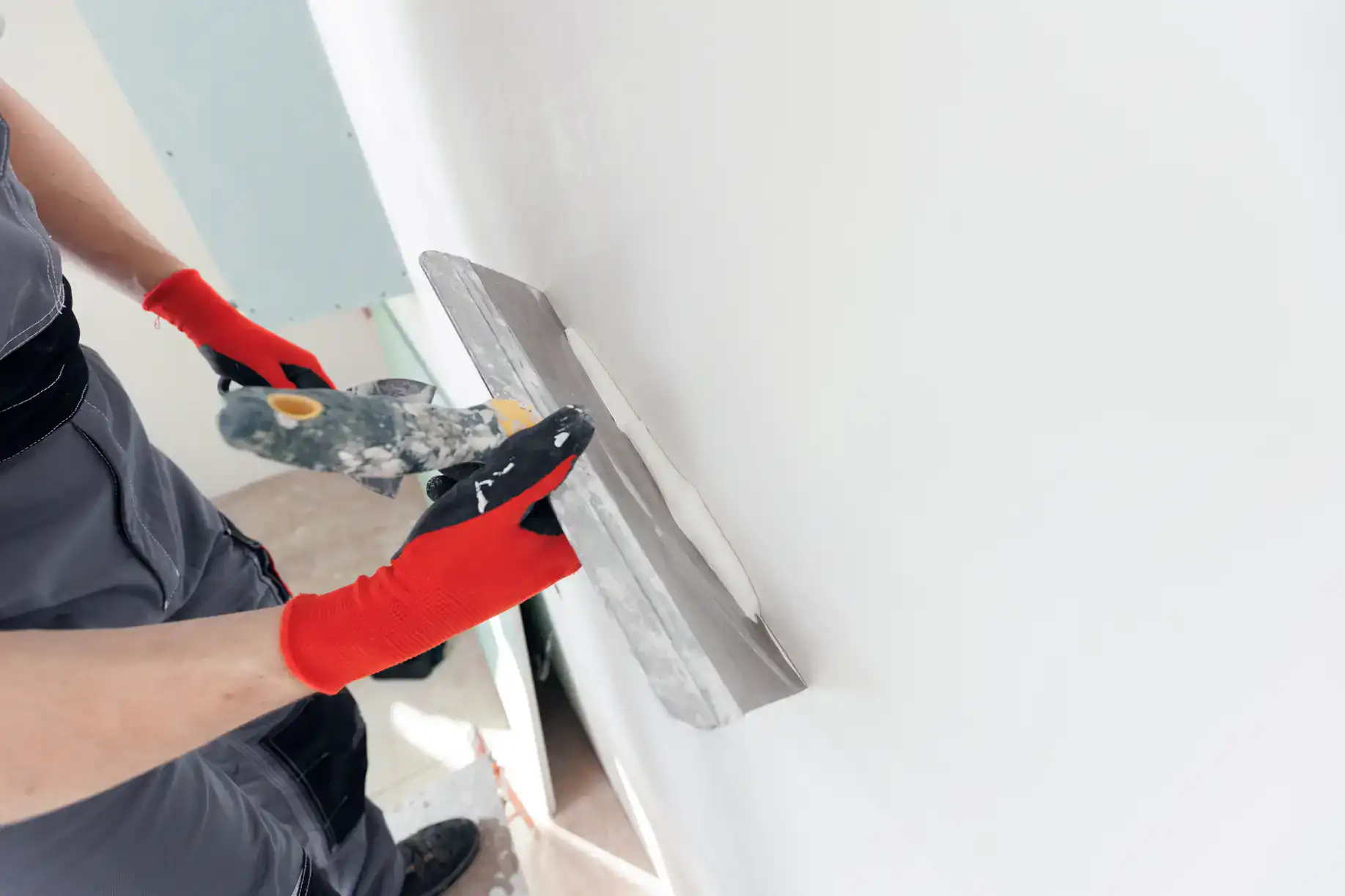
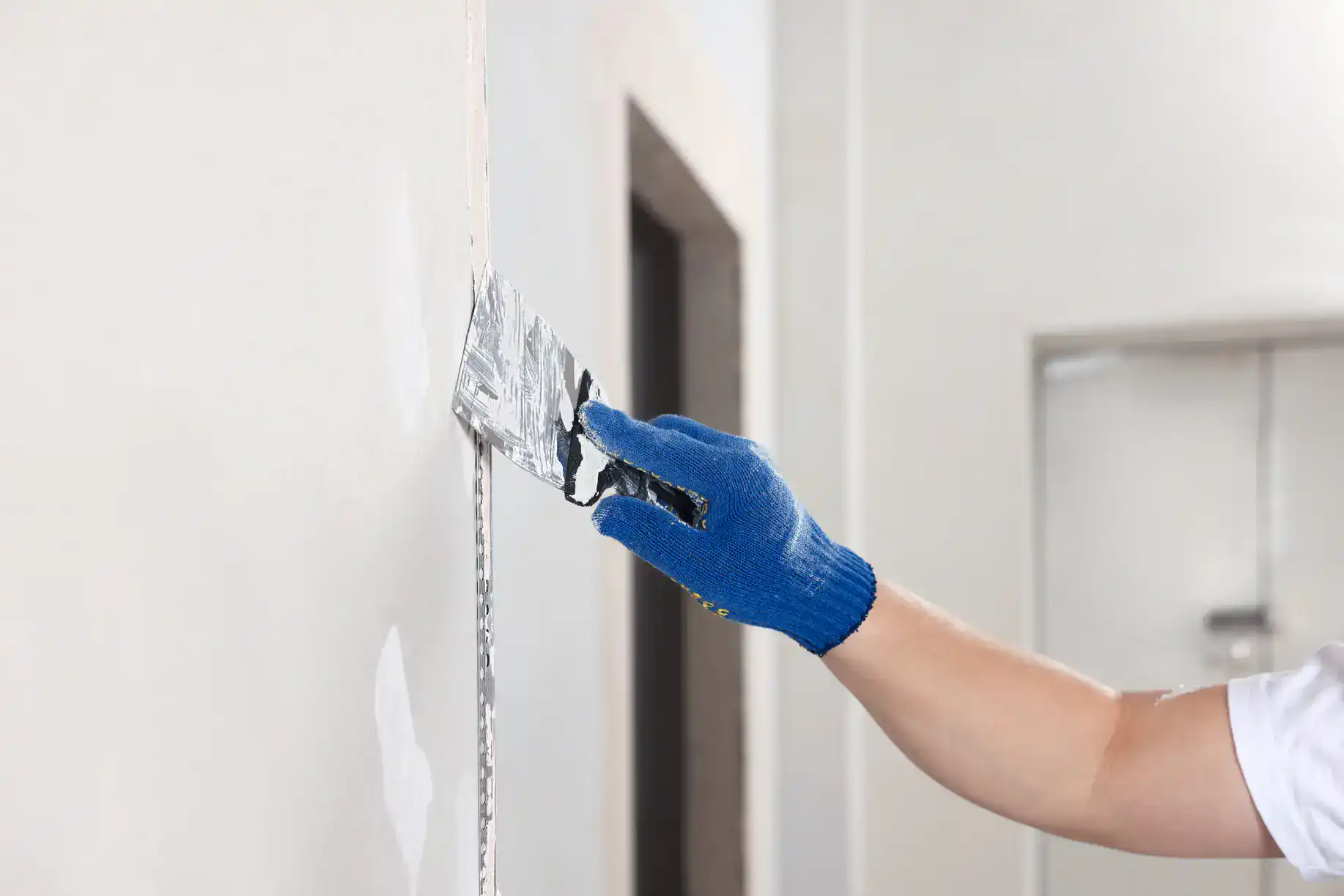
After that comes taping and mudding. This is where most shortcuts happen, and it’s where we don’t rush. Multiple coats, proper drying time between each one, and sanding until the surface is smooth. If you’re texturing or painting, we prep it so your finish looks clean.
The job site gets cleaned up daily. You’re not living in a dust storm for weeks. When we’re done, the walls are ready for whatever comes next.
Ready to get started?
The average cost to install drywall in Pennsylvania runs between $1.50 and $3.00 per square foot. That range exists because not all jobs are the same, and not all drywall installers work to the same standard.
In Holland, PA, you’re dealing with a housing market where the median home price sits around $469,000. More than half the housing stock in Pennsylvania is over 50 years old. That means renovations, updates, and repairs are constant. When you’re investing in your home, the drywall work needs to support that investment—not undermine it.
Our pricing reflects licensed labor, quality materials, and a process that doesn’t skip steps. You get moisture-resistant drywall where it matters, proper insulation support, and finishing work that doesn’t show seams or fasteners. We’re also insured, which matters more than people think when someone is working inside your home.
If you’re preparing to sell, proper drywall installation affects how your home shows. If you’re renovating to stay, it affects how long the work lasts. Either way, it’s worth doing right.
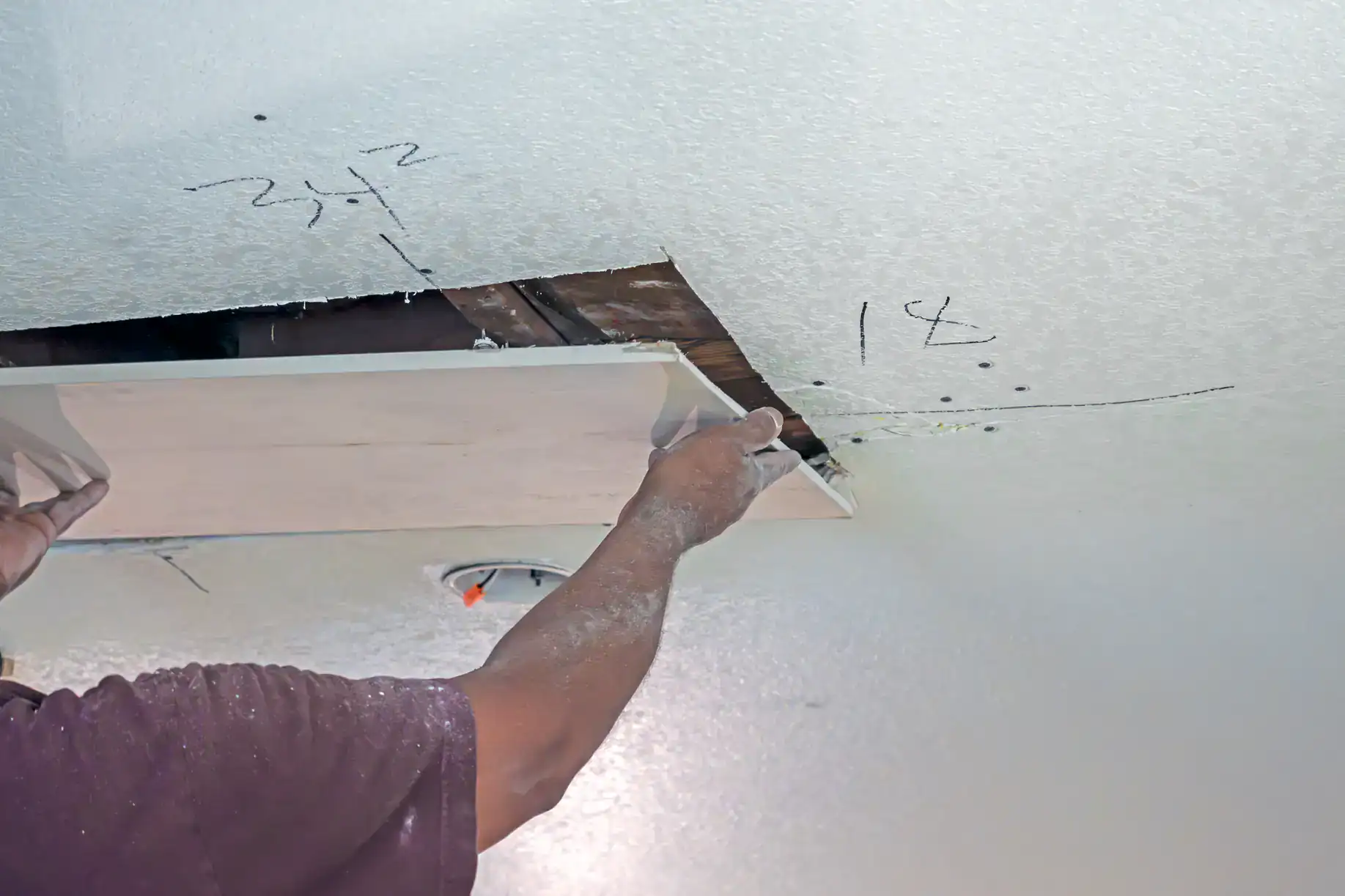
For a standard 12×12 room, hanging the drywall takes about a day. Finishing it properly takes longer—usually three to five days depending on how many coats of mud are needed and drying time between coats.
If someone tells you they can hang and finish a room in two days, they’re either rushing the mud coats or they’re not sanding properly. Compound needs time to dry between applications, and if you skip that, you’ll see cracks and imperfections as soon as the paint goes on.
Weather affects drying time too. High humidity in Pennsylvania slows things down, especially in basements or bathrooms. We don’t push timelines at the expense of quality. You’ll get a realistic schedule upfront, and we stick to it.
Standard drywall works fine for living rooms, bedrooms, and hallways. Moisture-resistant drywall—often called green board or purple board—has additives that help it resist water absorption. You want that in bathrooms, laundry rooms, basements, and kitchens.
Pennsylvania homes deal with humidity, especially in spring and summer. Basements in this area are notorious for moisture issues. If you install standard drywall in a damp space, you’re setting yourself up for mold growth, swelling, and eventual failure of the material.
Moisture-resistant drywall costs a bit more, but it’s not optional for wet areas. It’s also not waterproof—it resists moisture, but it won’t survive a flood or constant direct water contact. For spaces like shower surrounds, you need cement board or another waterproof backer. We’ll tell you what’s appropriate for each space in your home.
Sometimes, yes. It depends on the condition of the plaster and what’s behind it. If the plaster is solid, still attached to the lath, and relatively flat, we can install drywall over it. If it’s crumbling, separating from the wall, or uneven, it needs to come down first.
A lot of older homes in Holland, PA have plaster walls. The appeal of going over them is avoiding the mess of demo. The downside is you’re adding thickness to the walls, which affects door casings, window trim, and electrical boxes. Everything needs to be extended or adjusted.
We’ll assess the plaster before recommending a plan. If it’s in bad shape, removing it and starting fresh usually makes more sense. You get a cleaner result, better insulation options, and you’re not building on top of a failing surface. If the plaster is solid, covering it can save time and money.
It depends on the scope of work. If you’re just replacing damaged drywall in an existing room, you typically don’t need a permit. If you’re finishing a basement, adding walls to change a floor plan, or doing work that involves electrical or plumbing, you probably do.
Northampton Township, where Holland is located, has specific building codes and permit requirements. Skipping permits might seem like a way to save money, but it can cause problems when you sell your home or file an insurance claim. Unpermitted work sometimes has to be undone and redone to pass inspection.
We handle permit applications when they’re required. We know what the township wants to see, and we make sure the work meets code. It’s part of keeping the project legitimate and protecting your investment in your home.
Basement drywall installation in Holland, PA typically runs between $2.00 and $3.50 per square foot, depending on the size of the space and what prep work is needed. Basements require moisture-resistant materials, and many need framing work before drywall can go up.
If your basement has concrete walls, we’re building a frame, adding insulation, and then hanging drywall. If there’s existing framing that’s damaged or not up to code, that gets addressed first. Basements also tend to have more obstacles—pipes, ductwork, electrical panels—that require cutting and fitting around.
Moisture is the biggest concern. If your basement has water issues, those need to be solved before any drywall goes up. We’re not covering up mold or dampness with new walls. If there’s a moisture problem, we’ll tell you, and we’ll recommend fixing it first. Otherwise, you’re just delaying an expensive problem.
Cracks happen for a few reasons: house settling, temperature and humidity changes, improper installation, or using the wrong materials. In Pennsylvania, seasonal temperature swings cause wood framing to expand and contract, which can stress drywall seams.
Prevention starts with proper installation. That means using the right fastener spacing, not overdriving screws, and placing seams away from stress points like door corners. Taping technique matters too—if the mud isn’t applied correctly or if it dries too fast, seams will crack.
Using quality joint compound and allowing proper drying time between coats makes a difference. We also use mesh tape in high-stress areas and make sure corners are reinforced with metal or paper bead. If your home is still settling—common in newer construction or after major renovations—some minor cracking can happen regardless. But proper installation minimizes it significantly.
Other Services we provide in Holland