You’re not looking for the cheapest drywall installer. You’re looking for someone who shows up, does the work without drama, and leaves your home cleaner than they found it.
When drywall installation in Abington, PA is handled properly, you get walls ready for paint with no visible seams, no nail pops showing up three weeks later, and no gaps that let drafts through. The job gets finished in the time frame you were quoted. You don’t spend your evenings vacuuming drywall dust out of your vents.
Most homeowners in Abington have been burned before. The contractor who disappeared halfway through. The crew that left your floors trashed. The “affordable” quote that turned into something else entirely once the work started. You’re tired of that, and you should be.
We serve Montgomery County homeowners who are done settling for unreliable contractors. We’re fully licensed and insured, which matters more than most people realize until something goes wrong.
We’ve worked in enough Abington homes to know what you’re dealing with. Many of these houses were built in the 1950s or earlier—that’s 35% of the housing stock here. Older homes mean plaster walls, settling foundations, and renovation projects that need someone who actually knows how to handle drywall installation without creating new problems.
When you call us, you’re working with people who live in the area and plan to keep working here. That’s not a sales pitch—it’s just how we stay accountable.
First, we come out to see what you’re working with. We measure the space, check for any structural issues that could cause problems later, and give you a fixed price. That number doesn’t change unless you change the scope of work.
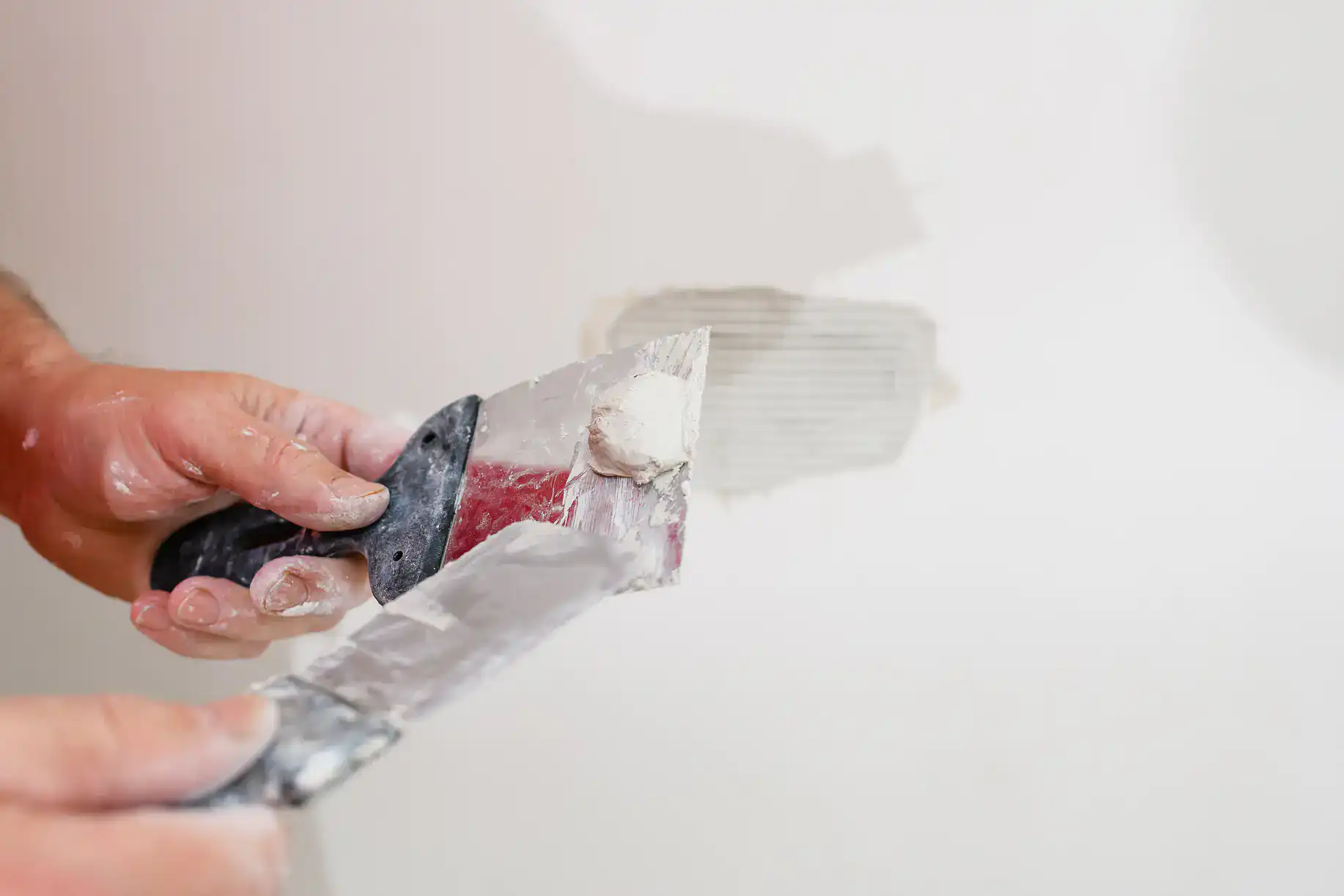
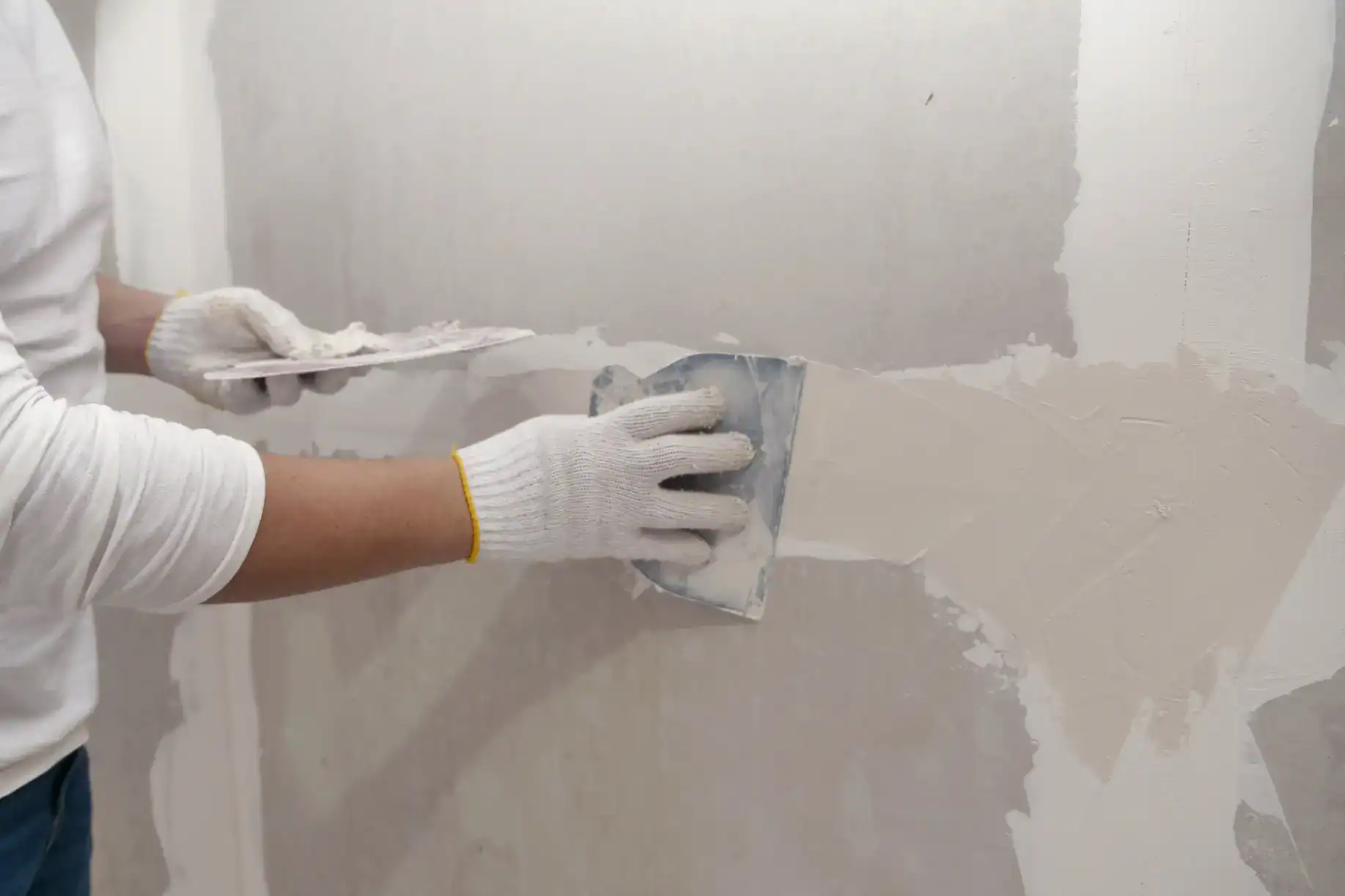
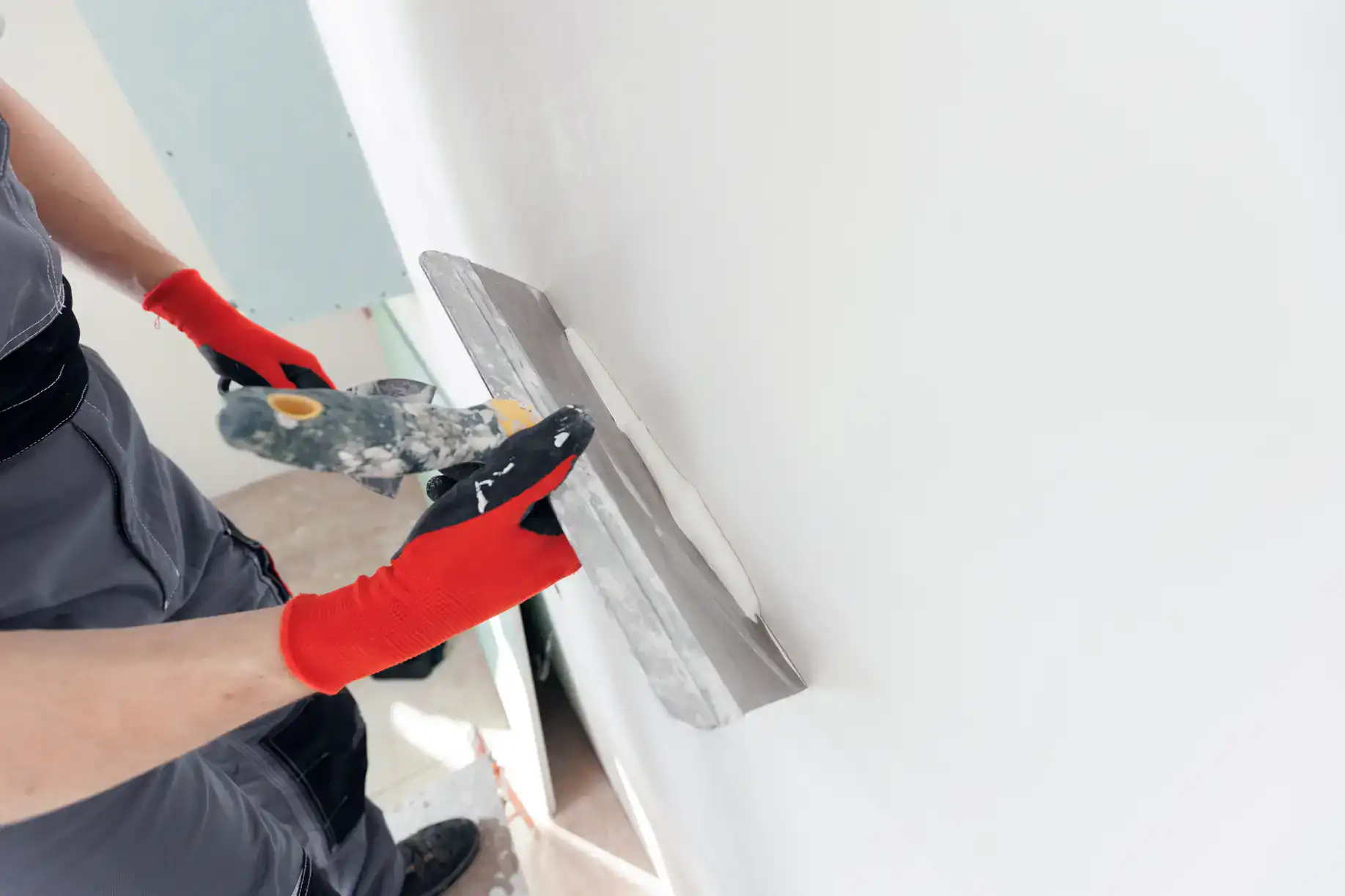
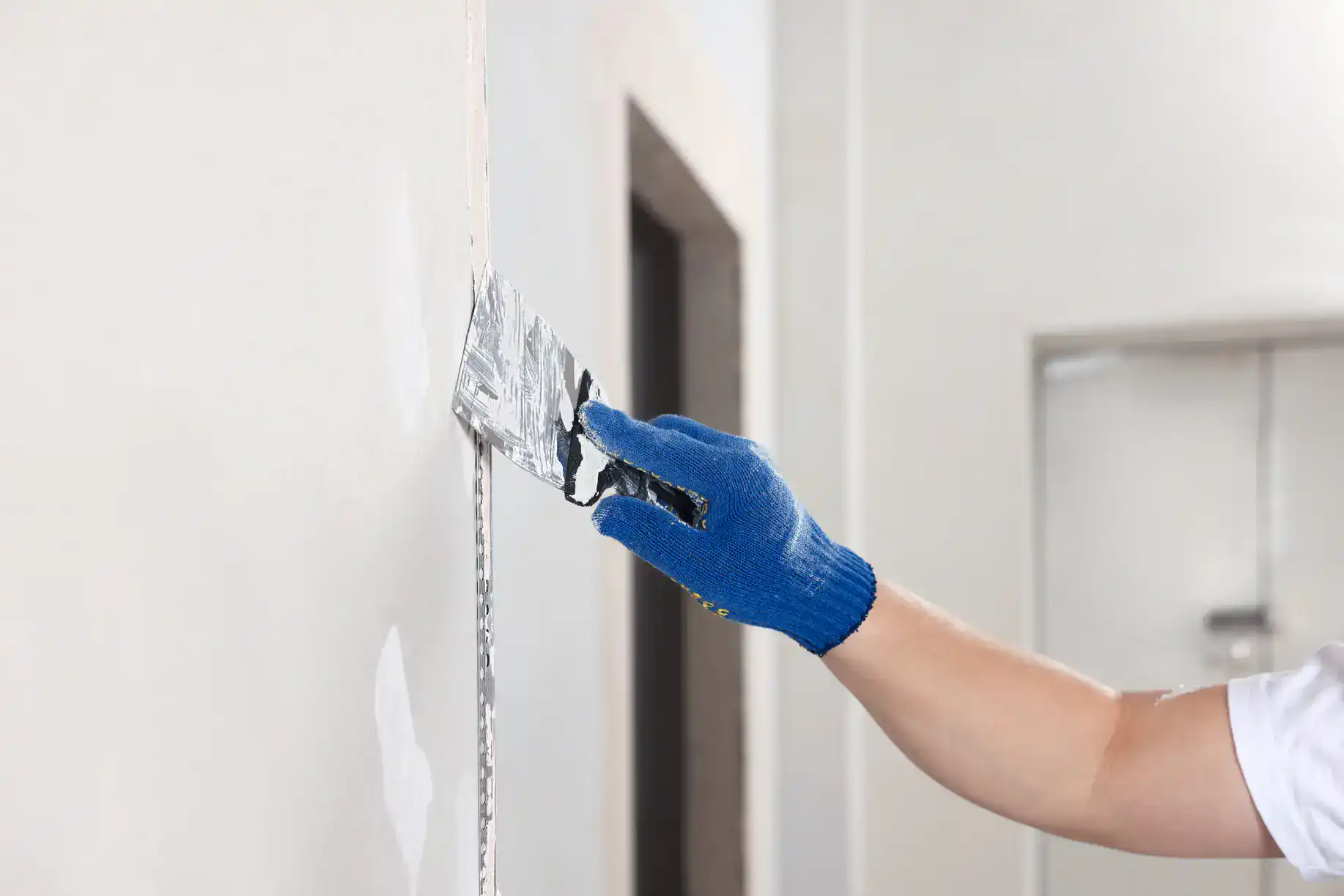
Once we start installing drywall, we hang the sheets, tape and mud the seams, then sand everything smooth. We’re not rushing through this part—it’s where most contractors cut corners and where you end up seeing the difference six months later. Every seam gets properly finished so it disappears under paint.
We also handle cleanup as we go. Drywall dust gets everywhere if you let it, so we contain the mess and haul out debris at the end of each day. When we’re done, you’re looking at walls that are ready for whatever finish you want—paint, wallpaper, texture, whatever.
If your project needs a permit (and in Abington, interior alterations often do), we make sure that’s handled. You shouldn’t have to worry about whether your drywall work is up to code.
Ready to get started?
The cost to install drywall in Abington, PA typically runs between $2.26 and $2.69 per square foot for complete installation in 2026. That includes materials, labor, taping, mudding, and sanding. If someone quotes you significantly less, they’re either cutting corners on quality or they’ll hit you with change orders later.
Material costs have jumped 133% over the past decade, and labor makes up about 70% of your total cost. We use premium materials because cheap drywall causes problems—it sags, cracks easier, and doesn’t hold up in homes with any moisture issues. In Abington’s climate, that matters.
Your median home value here is around $380,000, and the median household income is over $105,000. You’re investing in your property, and shoddy drywall work tanks your home’s value faster than almost any other shortcut. Proper drywall installation protects that investment—it should last 50 to 70 years when it’s done correctly.
We also know Abington homeowners care about getting things done right because you’re educated consumers. Nearly 45% of adults here hold bachelor’s degrees or higher. You do your research, you ask good questions, and you can spot BS when you hear it.
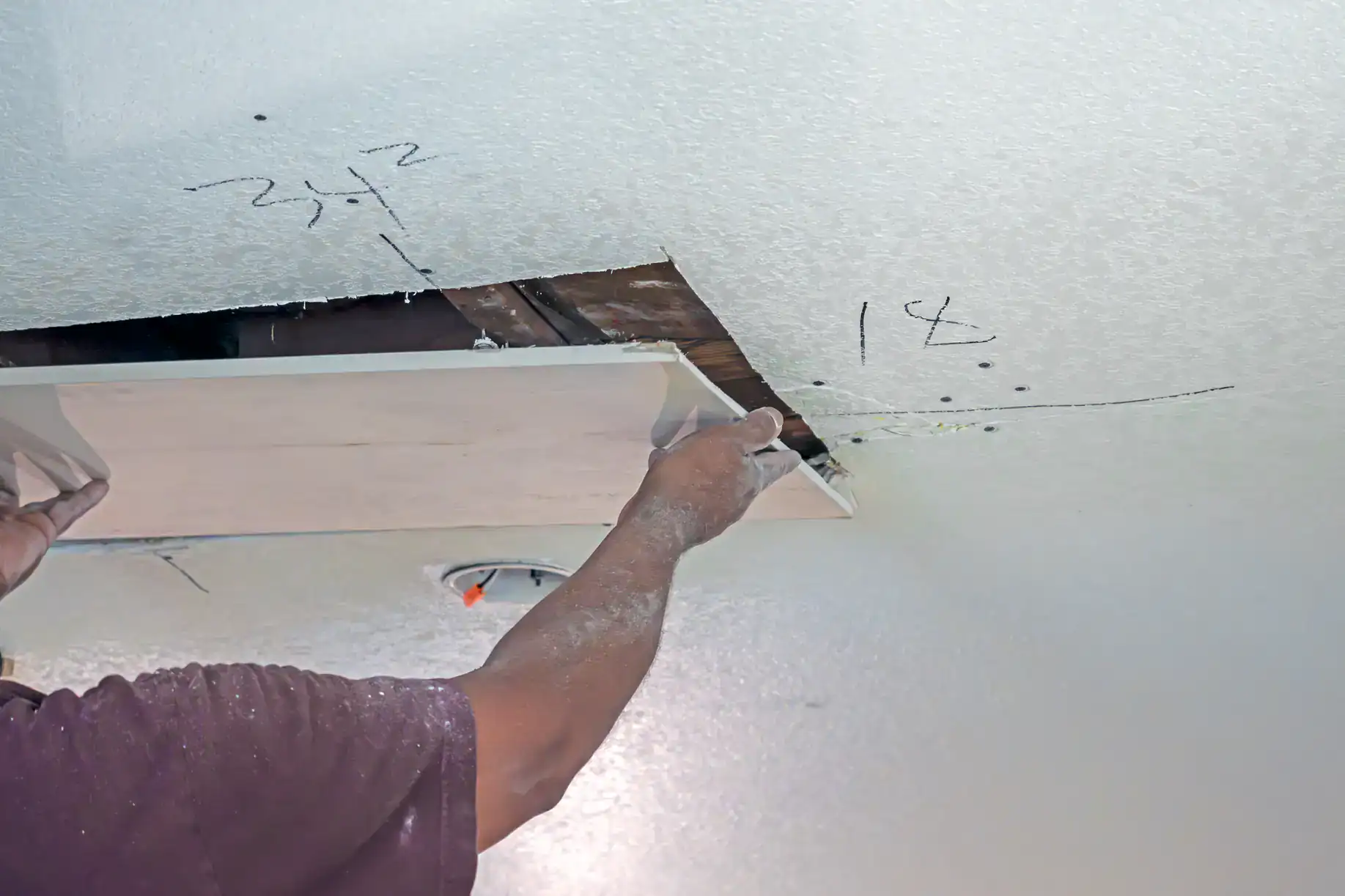
Most single-room drywall installations take one to three days depending on size and complexity. A standard 12×12 bedroom usually gets finished in a day or two. Larger spaces or rooms with a lot of corners, windows, and doors take longer.
The hanging part goes quickly. It’s the finishing work—taping, mudding, sanding—that takes time because each coat of joint compound needs to dry before you can apply the next one. Rushing this is how you end up with visible seams and an unprofessional finish.
If you’re doing multiple rooms or a whole-house renovation, we’ll give you a realistic timeline upfront. We’d rather underpromise and finish early than leave you waiting around wondering when we’re coming back.
Yes, Abington Township requires building permits for interior alterations that include drywall work. This isn’t something to skip—unpermitted work can cause serious problems when you try to sell your home or file an insurance claim.
The permit process ensures the work meets local building codes, which exist for good reasons. They cover things like fire safety, structural integrity, and proper installation methods. If your drywall installer tells you that you don’t need a permit, they’re either uninformed or they’re trying to cut corners.
We handle permit applications as part of the job. It adds a bit of time to the project timeline, but it protects you legally and ensures everything is documented properly. Most homeowners appreciate not having to deal with township paperwork themselves.
Drywall finishing has five levels, and the one you need depends on what you’re doing with the walls afterward. Level 3 is fine if you’re applying heavy texture. Level 4 works for flat paint or light texture. Level 5 is what you want for smooth walls with glossy paint or critical lighting that shows every imperfection.
Most residential projects in Abington use Level 4 finishing. It gives you smooth, paintable walls without visible seams or fastener marks. Level 5 costs more because it requires an additional skim coat over the entire surface, but it’s worth it in high-visibility areas like living rooms or anywhere with large windows that create harsh lighting angles.
If someone quotes you for drywall installation without specifying the finish level, ask. It’s one of the biggest variables in both cost and final appearance. You don’t want to assume you’re getting Level 4 and end up with Level 3 work that looks rough under your paint.
Yes, but it takes skill and the right materials. Many older homes in Abington have plaster walls with specific textures that were popular decades ago. Matching that texture when you’re patching or adding drywall requires experience—you can’t just slap on any random pattern and hope it blends.
We keep samples of common vintage textures and can usually match what you have. Sometimes we’ll do a test section first to make sure it’s going to look right before we finish the whole area. Orange peel, knockdown, and skip trowel are the most common textures we see in homes from the 1950s and 1960s.
If your existing texture is in bad shape or you’re renovating a large area, sometimes it makes more sense to refinish entire walls rather than trying to patch and match. We’ll tell you honestly which approach will give you better results.
Drywall cracks usually come from three things: house settling, improper installation, or moisture problems. In Abington’s older homes, settling is common—foundations shift over time, especially in houses built before 1950. That movement stresses drywall seams and corners.
Proper installation prevents most cracking. That means using the right fastener spacing, not overdriving screws, applying joint compound correctly, and using mesh tape in high-stress areas. Corner bead needs to be secured properly or it’ll crack within a year. These aren’t complicated techniques, but they require attention to detail that rushed crews skip.
Moisture is the other big factor. If you have a leak, high humidity, or poor ventilation, drywall will eventually fail. We check for moisture issues before installing drywall because covering up a problem doesn’t fix it—it just delays the inevitable and makes repairs more expensive later.
Basement drywall installation in Abington typically costs between $1,800 and $4,500 depending on square footage and whether you need moisture-resistant materials. Basements require special attention because they’re more prone to humidity and potential water issues than upper floors.
We usually recommend moisture-resistant drywall (green board or purple board) for basements, especially in older Abington homes where foundation moisture can be an issue. It costs slightly more than standard drywall but prevents mold growth and material failure. If your basement has any history of dampness, this isn’t optional.
The cost also depends on what else needs to happen. If you need insulation, electrical work, or framing adjustments, that adds to the total. We price everything upfront so you know exactly what you’re spending before we start. Most finished basements add significant value to your home—the median home value in Abington is over $380,000, and a properly finished basement can increase that considerably.
Other Services we provide in Abington