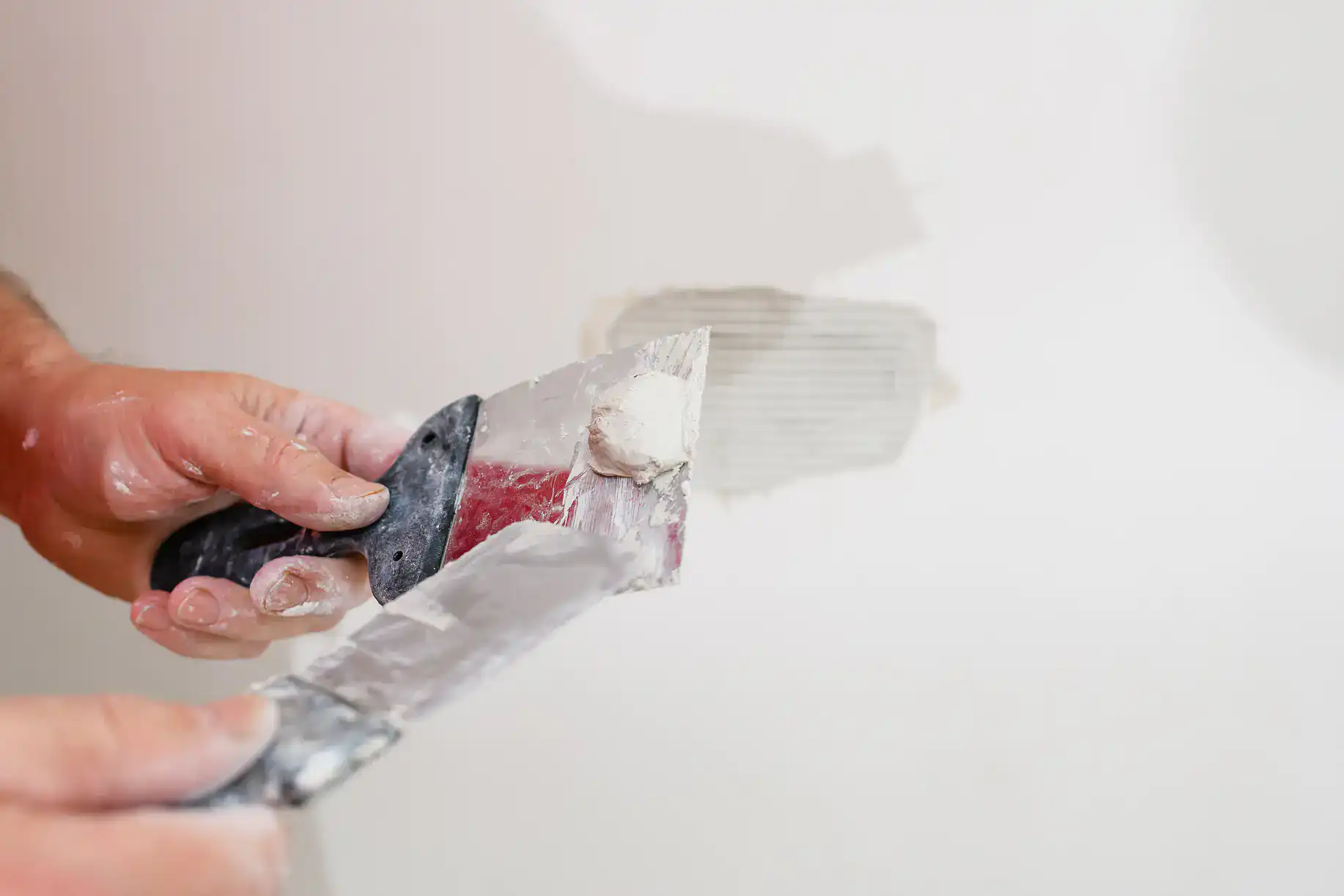
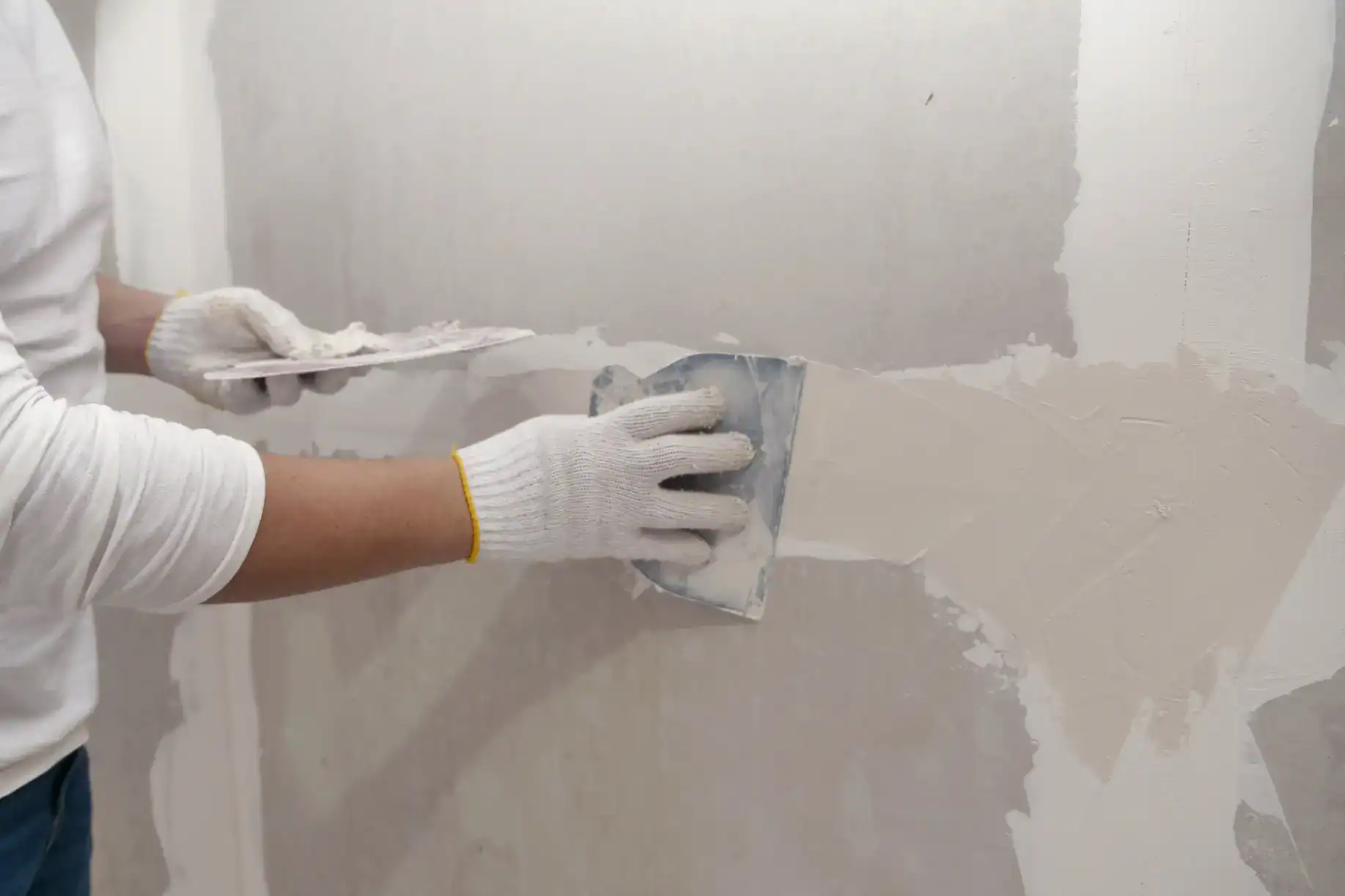
Your walls look flawless. No visible seams, no texture mismatches, no lumpy patches that scream “amateur hour.” The work blends so well you forget where the repair or installation even happened.
Your home stays clean throughout the process. We’re not talking about a quick sweep before we leave—we mean contained dust, protected floors, and a thorough cleanup that doesn’t leave you vacuuming drywall mud out of your vents for weeks.
You know exactly what you’re paying before we start. Most drywall installation projects in Jamison fall between $1,000 and $3,000 depending on square footage and complexity. We give you a detailed estimate upfront, and that number doesn’t change unless you change the scope.
The job gets finished when we say it will. Most installations wrap up in a single day. You’re not waiting around for crews to come back “next week” to finish what should’ve been done already.
Sharpe Drywall exists because too many homeowners in Montgomery and Bucks County were getting burned by contractors who left messes, missed deadlines, and delivered work that looked worse after the “fix” than before. We’re locally owned, fully licensed and insured, and we’ve spent over a decade working on homes throughout Jamison and the surrounding area.
We know the housing stock here. Many Jamison homes date back to the 1940s through 1960s, which means you’re often dealing with plaster walls, uneven framing, and additions that used different materials than the original construction. That requires more than just slapping up drywall and hoping it holds.
You’re not getting a crew that treats your home like a quick flip. We work on these projects the same way we’d handle our own homes—careful, clean, and done right the first time.
We start with a walkthrough and measurements. You show us what needs to be done, we assess the space, check for any underlying issues like moisture or structural concerns, and take accurate measurements. This is where we catch problems before they become expensive surprises mid-project.
Next comes material selection and prep. We use premium mold-resistant drywall for areas prone to moisture and professional-grade joint compound that won’t crack or shrink. Before installation, we protect your floors and furniture, set up dust containment, and make sure the work area is ready.
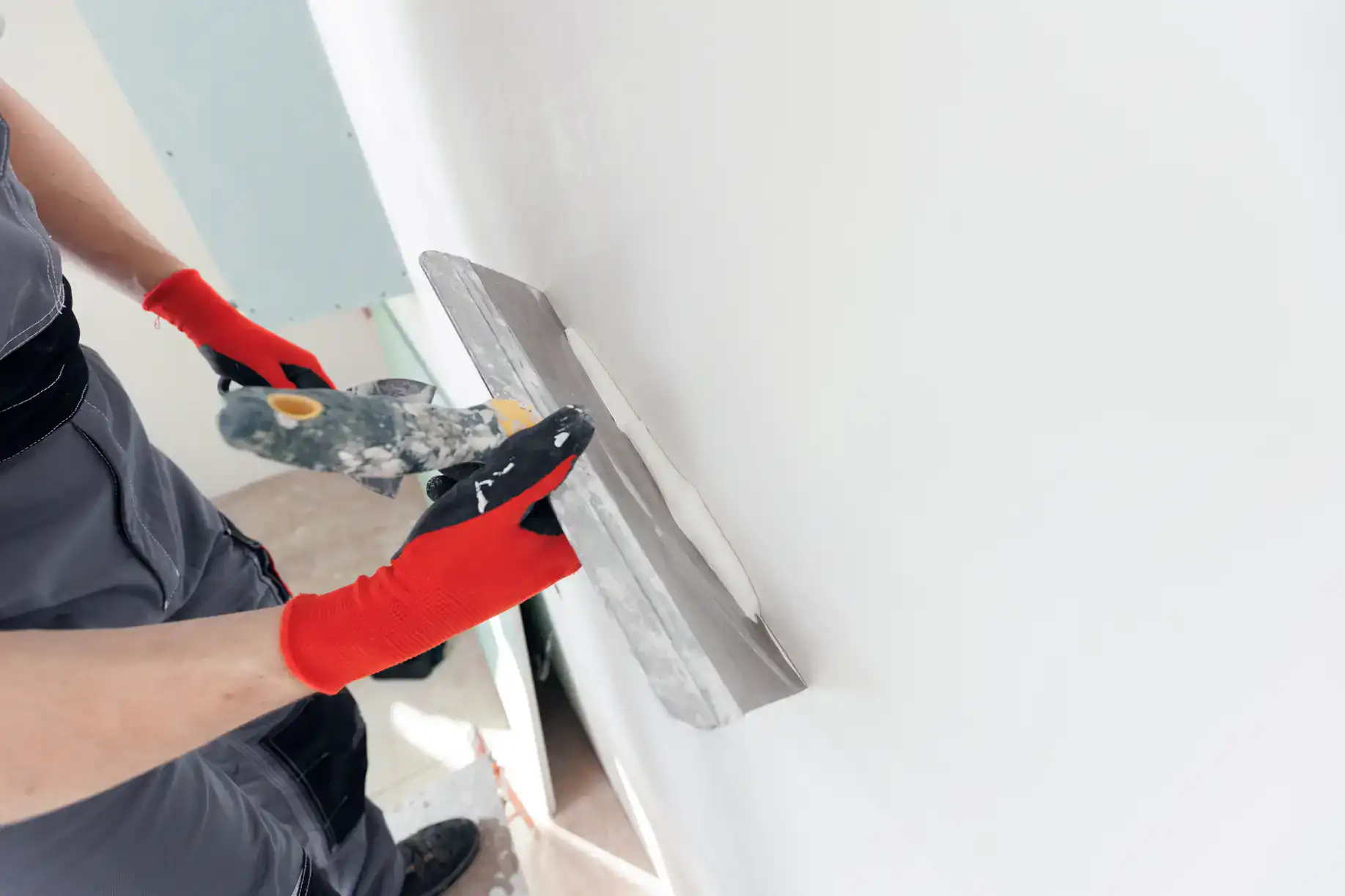
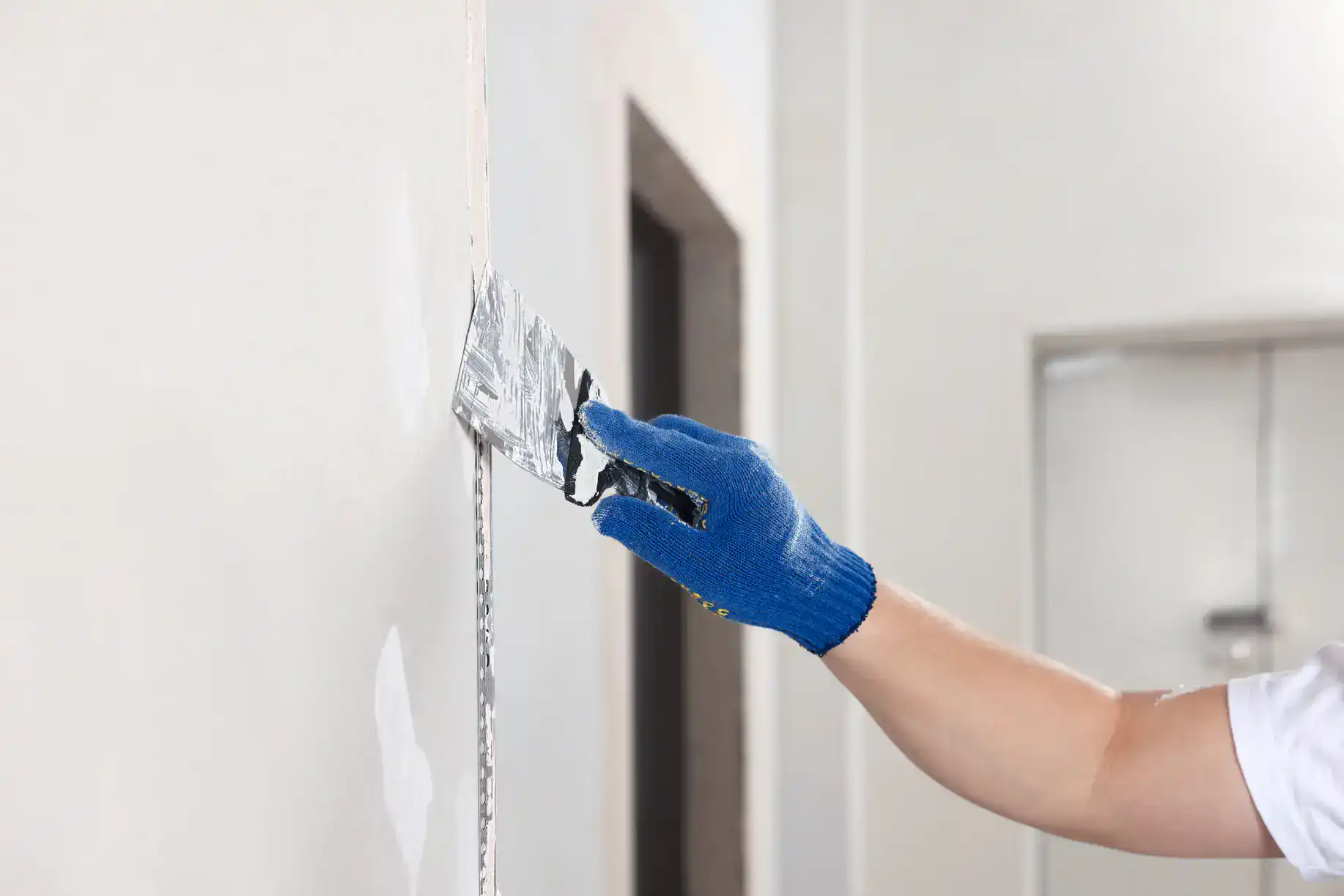
Then we handle the installation itself—measuring, cutting, hanging, taping, and finishing. Each sheet gets secured properly to studs, seams get taped and mudded with multiple coats, and we sand everything smooth. If you’ve got existing texture, we match it. If you want smooth walls, we make them smooth.
Finally, we clean up completely. That means hauling away all debris, wiping down surfaces, and leaving your space ready for paint or whatever comes next. You shouldn’t have to spend your weekend cleaning up after us.
Ready to get started?
The average cost to install drywall in Jamison typically runs between $1,000 and $3,000 for most residential projects. Smaller repairs or single-room installations land on the lower end. Whole-home installations or projects involving older homes with structural quirks cost more. You’re paying for materials, labor, and the experience to handle whatever we find behind those walls.
Here’s what that price covers: all materials including drywall sheets, joint compound, tape, and fasteners. Labor for measuring, cutting, hanging, taping, mudding, sanding, and finishing. Complete cleanup and debris removal. And the peace of mind that comes with hiring fully licensed and insured drywall installers who’ve done this hundreds of times.
Jamison homes often present unique challenges. Foundation settlement is common in Pennsylvania, which leads to cracks and separations around windows and doors. Many properties here have mixed construction—original plaster walls with drywall additions from later renovations. That means we’re frequently matching new drywall to old plaster, dealing with non-standard dimensions, and working around framing that’s shifted over decades.
The cost to install drywall reflects the reality of doing it right. Cheap contractors cut corners on materials, rush the finishing work, and leave you with seams that show through paint and corners that crack within months. You end up paying twice—once for the bad job, and again to fix it.
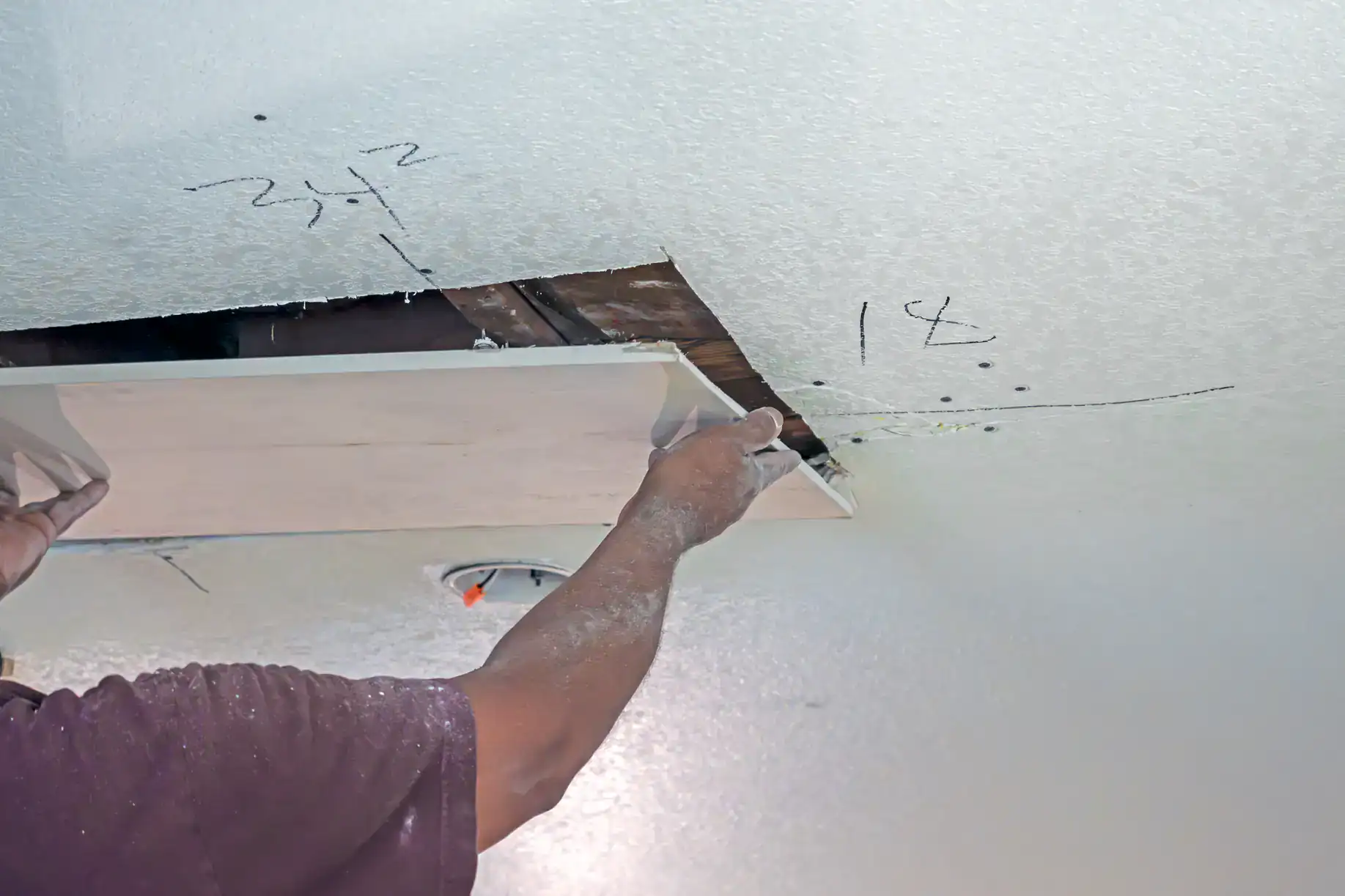
Most single-room installations finish in one day. That includes hanging the drywall, applying joint compound, and initial finishing work. Larger projects like whole-home installations or multi-room renovations take longer—usually three to five days depending on square footage and complexity.
The timeline stretches when we’re working with older Jamison homes that have plaster walls or structural issues. We’re not just hanging drywall in those cases—we’re often addressing uneven framing, repairing damaged studs, or dealing with moisture problems that need to be fixed before new drywall goes up.
Finishing work requires drying time between coats of joint compound. We typically apply two to three coats, sanding between each one. Rushing this process leads to visible seams and texture that doesn’t match. You can’t see the quality difference until after you paint, and by then it’s too late.
Square footage is the biggest factor. More wall area means more materials and more labor hours. But it’s not the only thing that matters.
Ceiling height changes the price. Standard eight-foot ceilings are straightforward. Nine or ten-foot ceilings require longer sheets, more careful handling, and additional labor. Vaulted or cathedral ceilings add even more complexity and cost.
The condition of your existing walls and framing plays a major role. If we’re installing drywall in new construction with clean, level studs, the work goes quickly. If we’re working in a 1950s Jamison home with settled framing, plaster debris, and walls that aren’t plumb, we’re spending extra time on prep and adjustments.
Texture matching adds cost when you’re blending new drywall with existing walls. Knockdown, orange peel, or skip trowel textures require specific techniques and materials. Getting it right so you can’t tell where the old wall ends and the new one begins takes skill and time.
Yes, and it’s something we deal with regularly. Many Jamison homes were built between the 1940s and 1960s with plaster walls. Over the decades, homeowners added rooms or renovated spaces using drywall, which creates a mix of materials and construction methods.
Installing drywall in these homes requires understanding how the original structure was built. Plaster walls attach to wood lath strips nailed to studs. When you’re adding drywall adjacent to plaster, you’re often dealing with different wall thicknesses, uneven surfaces, and framing that’s shifted as the house settled.
We handle the transition carefully. That might mean furring out studs to match wall thickness, using specialty trim to blend the materials, or removing damaged plaster before installing new drywall. The goal is a finished wall that looks uniform, not a patchwork that screams “this was added later.”
Foundation settlement is common in Pennsylvania homes, which causes cracks in both plaster and drywall. Before we install new drywall, we assess whether cracks are cosmetic or signs of ongoing structural movement. Installing drywall over an active foundation issue just means you’ll see new cracks within months.
Standard drywall works fine for most interior walls and ceilings in climate-controlled spaces. It’s the most cost-effective option and handles normal wear without issues.
Moisture-resistant drywall makes sense for bathrooms, laundry rooms, basements, and any space where humidity levels run higher than the rest of your home. It’s got a treated core that resists mold growth and holds up better when exposed to moisture. Given how common damp basements are in Pennsylvania, this is usually the right call for below-grade installations.
Mold-resistant drywall goes a step further with fiberglass facing instead of paper. It’s more expensive but worth it in areas with persistent moisture problems or homes that have dealt with mold issues in the past.
Thickness matters too. Half-inch drywall is standard for walls. Five-eighths-inch drywall works better for ceilings because it resists sagging and provides better soundproofing between floors. Older Jamison homes sometimes have thicker plaster walls, so we occasionally use thicker drywall to match existing wall depth when blending old and new construction.
Small holes, dents, and hairline cracks usually just need repair. We can patch those areas, blend the texture, and make them disappear without replacing entire sheets. It’s faster and costs less than full replacement.
Water damage changes the equation. If drywall has been soaked, it loses structural integrity even after it dries. You’ll see discoloration, soft spots, or crumbling edges. That drywall needs to be cut out and replaced. Trying to repair water-damaged drywall just means you’ll be dealing with mold growth and failed patches down the road.
Extensive cracking throughout a wall often signals a bigger issue. A few cracks near doors and windows are normal in older homes as they settle. But if you’ve got widespread cracking, especially if cracks are widening or new ones keep appearing, that points to foundation movement or structural problems. Installing new drywall won’t fix the underlying cause.
Large damaged areas—anything bigger than a dinner plate—usually make more sense to replace than repair. The labor involved in properly repairing a large section often costs nearly as much as cutting out the damaged area and installing a new piece of drywall. Plus, you get a better finished result with replacement.
Yes, and it’s something we do regularly when adding drywall to existing rooms or repairing sections of damaged walls. The goal is making new work invisible—you shouldn’t be able to tell where the repair or addition happened once we’re done.
Knockdown texture is common in Jamison homes. It’s created by spraying joint compound onto the wall, then lightly flattening the peaks with a trowel. Getting the pattern and depth right requires matching the original technique and tools. Too much knockdown and it looks flat. Too little and the texture stands out.
Orange peel texture shows up frequently too. It’s a splatter pattern created with a specific spray gun setting and compound consistency. Matching it means adjusting air pressure, nozzle size, and compound thickness until the new texture blends seamlessly with the old.
Smooth walls require the most finishing work. Every imperfection shows once you paint, so we apply multiple coats of compound, sand carefully between coats, and make sure the surface is perfectly level. It takes longer than textured finishes but creates a clean, modern look that’s worth the extra effort.
Other Services we provide in Jamison